avatarMelinda Smith

Summary

The web content reflects a dystopian reality where society clings to literary hope amidst environmental decay and oppressive control.

Abstract

The article paints a vivid picture of a world where the sky is likened to a newspaper, and dreams are remnants of a bygone era. The setting is one of industrial decline, with a river entombed in cement and vegetation struggling through asphalt. Amidst this bleak landscape, the protagonists find solace in each other, listening to the rhythm of a world that no longer sings for them. The narrative speaks to the resilience of the human spirit, as the characters hold onto their inner lives and creativity despite the oppressive monotony of their existence. The piece concludes with a defiant assertion that while literary fiction may be dormant, the essence of life and creativity persists, hidden beneath the surface of conformity.

Opinions

  • The author suggests that the natural world is being stifled by human development, as symbolized by the choked river and the weeds breaking through asphalt.
  • There is a sense of nostalgia for a time when dreaming was permissible, implying a loss of freedom or creativity in the current society.
  • The use of the hourglass metaphor and the transition from day to night convey a world on the brink of change or perhaps a countdown to an irreversible transformation.
  • The mention of "sclerotic tones of the machines" and the "auto-tuned soundtrack" indicates a critique of the artificiality and mechanization of modern life.
  • The reference to "best-selling story" found on "YA Dystopian shelves" suggests that the characters' lives are part of a larger narrative that is both compelling and tragic.
  • The assertion that "literary fiction is not dead" but that "we are" hints at a society that has lost its connection to the arts and humanities, yet retains the capacity for thought and imagination.
  • The defiance against oppression is symbolized by the neuroelectricity of the mind that cannot be controlled, and the secretive acts of creativity and life ("poems in our minds," "hum together," "dance so still").
  • The piece ends on a note of resigned compliance, with the characters preparing to "goose step ... like good little boys and girls again," indicating the societal pressure to conform.

Best-Selling Skies

We will fight for the literary
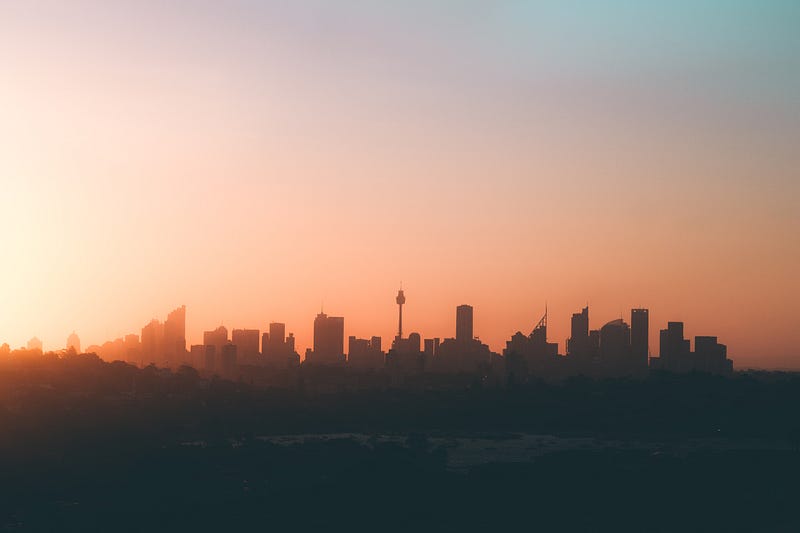
Photo by Sam Wermut on Unsplash

Here we are Just we two Dreaming of shapes in the mushroom clouds As a closed-circuit sun sets The newspaper sky an almost-sepia reminder Of days when dreaming was allowed

Nearby A cemented-in river chokes And weeds poke spindly stalks Through cracks in the great asphalt plains

We listen, my head on your shoulder, To sclerotic tones of the machines A sickly, auto-tuned soundtrack To our used-to-be lives

The last grain of rust falls And the hourglass groans And now, the fleeting moment When the great gear in the sky turns, Flipping tissue paper day To a flat, starless night without end A black book jacket summarizing Our struggle Wraps its arms around our Best-selling story Found on YA Dystopian shelves

Literary fiction is not dead We are We are all asleep

But in some ways The nights here are the brightest They’ve taken our stars away But neuroelectricity cannot be throttled

Under blind cover of reality TV fade-to-black’s We’ll write poems in our minds Until the fibers of our hearts grow weak We’ll hum together In silent chorus And dance so still they’ll never know That hot blood runs, illegal, Through our veins

And in the morning We’ll goose step Like good little boys and girls again

Find me at ScienceGeekMel.com and on Twitter

Poetry
Dystopia
Literary Fiction
Passion
Recommended from ReadMedium