
Ben & Jerry’s Stand Against Racism
THE most powerful corporate response
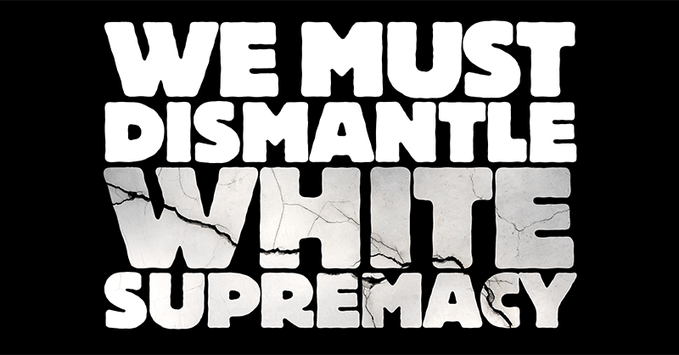
Corporations are bending over backwards to get their latest marketing message out to the public. The virtue-signaling showcases a whole range of responses. From ‘Blackout’ screens to carefully worded messages of support. But only one company stands heads and shoulders above them all. Ben & Jerry’s.
It’s not the first time Ben & Jerry’s have done this. The company supported the Black Lives Matter movement in 2016, decrying in a message “the systemic racism built into the fabric of our institutions at every level.” Founders Ben Cohen and Jerry Greenfield were arrested at a Democracy Awakening protest at the Capitol in 2016 and served ice cream to Occupy D.C. protesters in 2011.
In an extraordinary open letter on their website they stated:
“What happened to George Floyd was not the result of a bad apple; it was the predictable consequence of a racist and prejudiced system and culture that has treated Black bodies as the enemy from the beginning,”
Their Twitter post blew-up
Forceful and direct. It’s in stark contrast to the bland messaging relayed by other companies including Nike, Netflix, Twitter, Disney, Facebook and Intel. All have condemned racism and injustice in recent days.
Nike’s ‘Let’s all be part of the change’ feels like lip-service. Another on-point message to show their support but lacking any firm action.
What makes Ben & Jerry’s such a powerful message is how unusually comprehensive and direct it is. It addresses the historical roots of discrimination in the United States and calls out systemic racism, while advocating specific policies to prevent further police abuses and redress racial inequality.
The founders go on to outline four concrete steps to dismantle white supremacy. These include:
- Committing our nation to a formal process of healing and reconciliation and not using POTUS Twitter feed to promote and normalize white supremacists and nationalist groups agendas
- Congress to pass H.R. 40, legislation that would create a commission to study the effects of slavery and discrimination
- Create a national task force that would draft bipartisan legislation aimed at ending racial violence and increasing police accountability.
- Department of Justice to reinvigorate its Civil Rights Division and reinstate policies such as consent decrees to curb police abuses.
The company was praised by activists on social media for the strength of its statement on Floyd’s death.
The lesson learned here would be to stand up for what you believe by taking action. It takes guts to go against the ‘vanilla’ tide of marketing communications wanting to be seen doing good. This is how you change a world. This is how you influence people. This is how brands can be harnessed for the power of good.
The founders have form for activism.
Their opposition to Trump is also long-standing. As they wrote in a 2017 open letter to then President-elect Trump: “We stand with women, people of color, Muslims, migrants, refugees, the LGBTQ community, the poor, and others whose lives may be further compromised by the policies and rhetoric you espoused during your campaign.”
Or launching new flavors of ice-cream to highlight social causes. “Save Our Swirled,” in 2015 in support of the climate talks in Paris, or “I Dough, I Dough” that same year for same-sex marriage.
Ultimately, their actions speak larger than words.
Link to the full-letter: https://www.benjerry.com/about-us/media-center/dismantle-white-supremacy