
Being Your Own Worst Enemy: Why We Choose Self-Destruction
Stop Screwing Yourself Over and Start Living
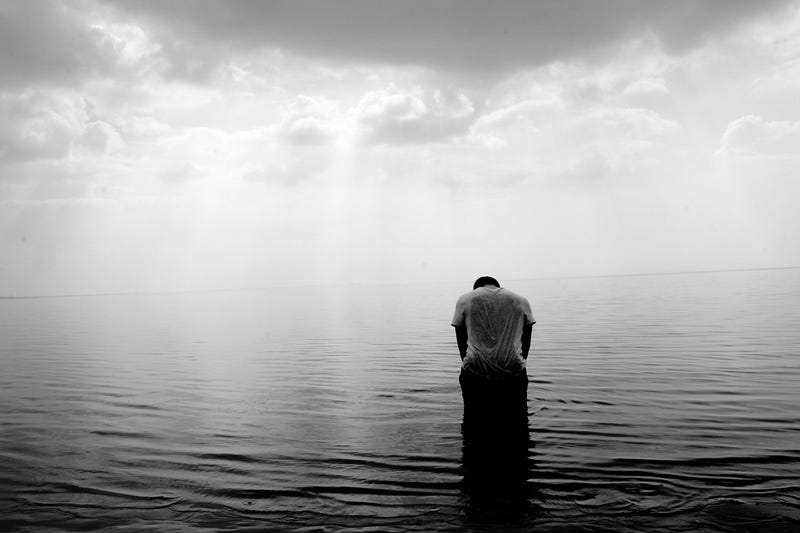
I just know we have all been there — standing at the crossroads of good decisions and bad ones. Simply watching ourselves take the path we just swore we would void. If I think about it, it’s actually like watching a car crash in slow motion: you see it coming, you know it’s going to hurt, but yet you just can’t seem to look away or make any effort to stop it. This self-destructive behavior is a weird mix of psychology, emotion, and a touch of what-the-f*ck moments. But why?
Why do we become our own worst enemies?
The Comfort of Familiar Pain
We, human beings, are creatures of habit. Strangely enough, this extends to our emotional states as well. Pain, anxiety, fear — these are all emotions we know all too well, right? Unavoidable stuff. And in a twisted sense, there’s a comfort in the familiar, EVEN if it’s painful.
“It’s the devil we know.”
This familiarity often makes us choose paths that kind of reinforce our current state of mind (even if it’s negative). Changing this pattern requires stepping into THE unknown, which — yes — can be far more terrifying than the current pain we’re enduring.
The Fear of Success
Success I find a strange ‘beast’. On the surface everyone wants it, but deep down, a lot of us are actually terrified of it. Perhaps this sounds strange at first, but look:
Success brings change, responsibility, and the exposure of being seen.
It’s not the success itself that scares us! It’s what comes with it. And I think exactly this is what leads us to sabotage our own bloody efforts. And guess what? This leads to us staying in our current comfortable state of not having to face those challenges…
The Thrill of the Chaos
BUT… there’s always a but… That comfort zone with all the stability and routine can be damn boring, right? There’s just a certain thrill in chaos and self-destruction that can be ‘addictively’ alluring. It simply breaks that boring monotony of daily life. It provides a RUSH that routine happiness can’t match. Nope. It’s this search for excitement that, unfortunately, often leads to choices that harm us in the long run…
Short-term gain for a long-term pain, but in the moment, it feels worth it.
A Distorted Sense of Control
In a paradoxical way (what a word..!), self-destructive behavior can give us a ‘sense of control’. “Uhh what, Wesley?” Yeah, because when things are going too well, it can feel like we’re waiting for the other shoe to drop. By self-sabotaging, don’t we take control of when and how things go wrong? I know, it’s a twisted logic, but looking at my own past when I felt like everything was spiraling, being the one to push the button felt pretty damn empowering.
How to Break the Cycle?
The million-dollar question… And no, I don’t think this is about a sudden epiphany or a dramatic change in behavior overnight. What about slowly building awareness of our patterns? Understanding the root of our actions? Gently steering ourselves towards healthier choices? Yep, it requires patience, self-compassion/love + the acceptance that setbacks are part of the process. What helped me:
- Observing my patterns without judgment (understanding is the first step to change).
- Implementing small, manageable changes in my behavior (don’t aim to overhaul your life overnight).
- Getting support (whether from your partner, friends, family, or professionals, support is crucial. You don’t have to do this sh*t alone).
- Celebrating progress (hell yeah, celebrate it — no matter how small. Every step forward is a victory!).
Going from self-destruction to self-compassion is a very personal trip filled with all kinds of challenges and setbacks, but it’s also filled with growth, understanding, and ultimately, peace. No.. don’t go for perfection (doesn’t exist), go for progress. Every step you take (no matter how small) is a step towards becoming not your own worst enemy, but your own best friend.
If my words hit home for you or if this was valuable, consider showing some love — buy me a coffee. It’s cheaper than therapy!


