
Covid-19 Diaries
Being Sad Is The New Normal
And Now I Know Why
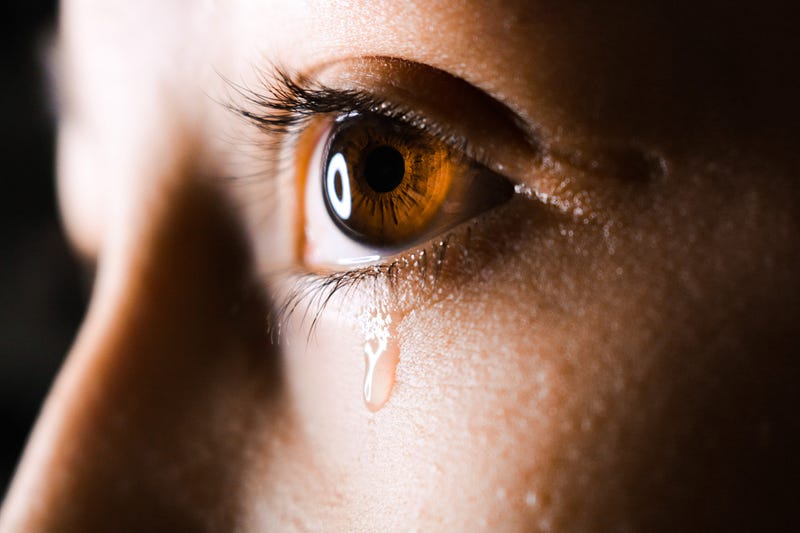
I have always had episodes of being sad, some I attribute to the weather or change in season, events trigger my being sad, and sometimes I just wake up sad. I am used to it, until now. I feel, Being Sad Is The New Normal.
I have never felt this lonely, aside from all the other emotions I am feeling as I navigate my way through this pandemic that most people would label as “negative”, such as anger and fear.
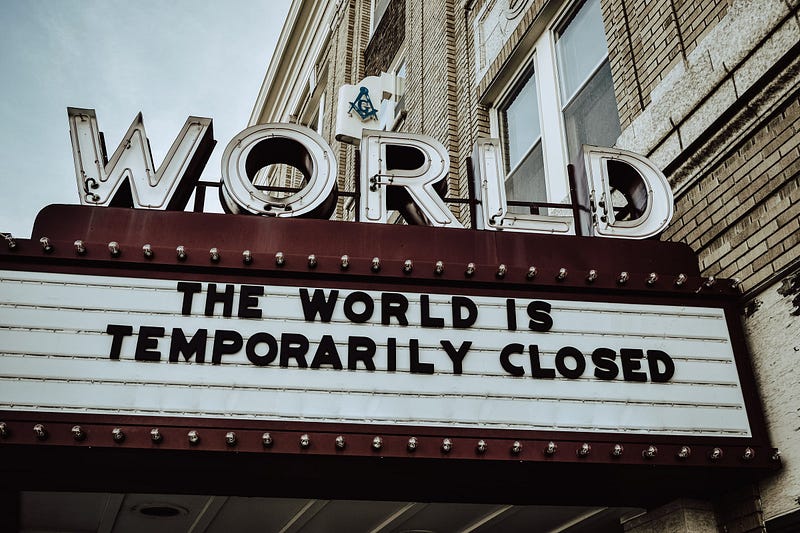
The year 2020 is supposed to be a big banner year for those Gen Z who is turning 20, no longer a teen and finally an adult, for the Gen Y or Millennial who is turning 30, for the Gen Xennial who is turning 40, for the Gen X who is turning the Big 50, for the Baby Boomer turning 60 and excited about their retirement, for the Senior who is to celebrate their 70th, their 80th, their 90th or even for a centenerian.
Instead the year 2020 is a year of doom and gloom with the pandemic, the world has come to a halt.
And when I started to look for answers for my “unusual sadness”, I can’t find any until I read “The Benefits of Talking to Strangers” on The New York Times by Jane E. Brody.
In her column, she quoted from a book, “Consequential Strangers: The Power of People Who Don’t Seem to Matter … But Really Do.” by Melinda Blau and Karen L. Fingerman.
That casual connections with people encountered in the course of daily life can give people a feeling that they belong to a community, which she described as “a basic human need.” — Dr. Fingerman
It resonated with me. I needed to know more about “Consequential Strangers” and I found a podcast interview by Neal Conan of Talk of the Nation on NPR with the author Melinda Blau. On Point — NPR
Beyond the handful of intimate friends and family, each of us has a much broader range of people in our lives: co-workers, our hairdresser and the barista we talk to every day, people we might chat with on a Web site. And everybody can remember a significant conversation with a cab driver or a passenger on the bus. — Neil Conan.
Maybe this will explain the concept of “Consequential Strangers” better, if you are a Seinfeld fan, you would remember Yev Kassem the Soup Nazi, he was the consequential stranger (character) in the lives of Jerry, Elaine, George & Kramer, played by actor Larry Thomas.
Our life is one big movie, family and friends play supporting roles, but like in any movie, there are cameo roles played by strangers, not total strangers but consequential strangers, they punctuate our lives, they offer us a different perspective, unlike what we can get from our family and friends.
Think of your family and friends as your strong ties, and consequential strangers as your weak ties, but did you know there is what is called, The Strength of Weak Ties?
There is a study made by Professor Mark Granovetter in 1973 on The strength of Weak Ties, you can read it here.
There is also an article by Everett Harper on Techcrunch “Weak Ties Matter”, you can read it here.
The consequential strangers in our lives allow us to better deal with the challenges we face in our lives, the brief encounter offers us the most honest answers to some of the questions we face in our lives, partly because we are sometimes more honest with strangers than with our families and friends.
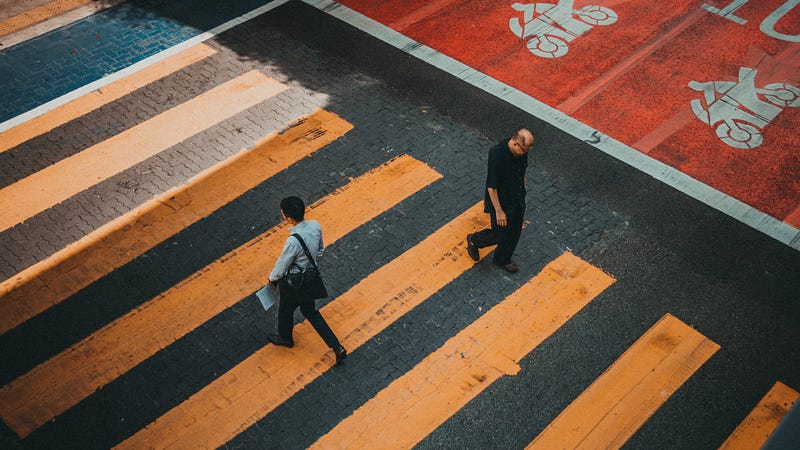
“Consequential Strangers, are not total strangers, but they are not your friends. “ — Naff Beltran, Live Life
They are the people you casually meet in the bus stop with whom you have a life-changing conversation with, your barista who gives you advice, people in the library, some you see every day like your co-workers, the elevator guy, and even your doctor is a consequential stranger who knows the most intimate detail of your physical, mental and sexual health more than what you would be willing to share with any of your family, friends or significant other.
This is what we are missing right now in our lives, these encounters with our consequential strangers which have made our feeling of isolation much worse than it already is.
I have read in one article of an account by someone who tested positive of Covid-19, that is was the “sadness” that was the hardest to overcome, more than the disease itself, the total isolation almost killed him.
Knowing now about “Consequential Strangers”, I feel a sense of relief. I am not saying that I will no longer be sad, as there are other reasons to be sad, especially with what is going in the world right now, but maybe when the “unusual sadness” presents itself, I am simply missing the consequential strangers in my life.
If Being Sad is the new normal, now I know why.
If you are looking to know more about me, you can follow me here Live Life.
Disclosure: As an Amazon Associate I earn from qualifying purchases which may result from the book, Consequential Strangers: The Power of People Who Don’t Seem to Matter … But Really Do.” by Melinda Blau and Karen L. Fingerman.


