
Being Not-Racist Is Not The Answer
Lesson #1 from Ibram X. Kendi’s book, HOW TO BE AN ANTI-RACIST
I’m no different from most of the (white) people I know and love. We believe in equality. We are horrified by the blatant displays of racism that continue to define American culture. We are committed to doing what we can to make change.
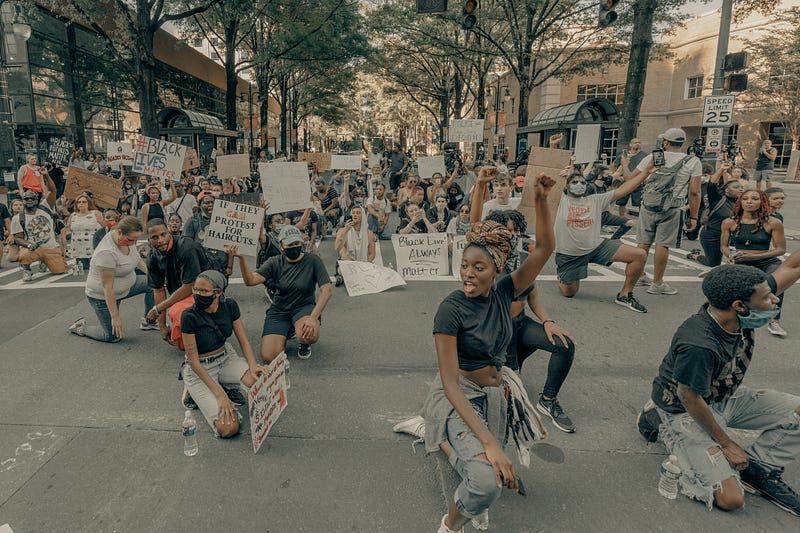
Because of our moral fortitude, each time a racially awful incident occurs, we react with our full hearts: we post our outrage and our support for change on our social media walls, we donate (if we can afford) to anti-racist causes, and we participate (if we are physically able) in protests.
Eventually, though, usually within a few weeks, the fury dies down, and we return to our lives, the lives where we are decent people who if asked would say, “I’m not racist” and mean it.
And we might be right. We might not be racist. But is that enough if our ultimate goal is to change the racist ways non-white people are treated, both visibly and invisibly, in our country?
Of course it isn’t.
And yet, most of us, after the smoke clears, return to the status quo. We may think about what has gone wrong but we’re too busy trying to get food on the table or our kids to put their dishes in the dishwasher to do anything about it.
Ibram X. Kendi, in the introduction to his book, HOW TO BE ANTI-RACIST, talks about what being not-racist means and it isn’t what I want to be. He says, “What’s the problem with being ‘not-racist?’ It’s a claim that signifies neutrality: ‘I am not a racist but neither am I aggressively against racism.’”
According to Kendi, use of the word racist has morphed over time and become a label for a type of person rather than a description of a type of action, and when we think of a person as a racist, to dismantle racism would require getting rid of all of the people who we label racist. But if we think of racist as an adjective, as a way to describe an activity, then we can look at the concept as something that can be altered, if we look at the policies and power that are at the root of the problem.
As I read, I had difficulty really grasping this concept of how the language needs to be clarified, but I also understood enough to agree that we will have a lot of difficulties getting anywhere in the fight against racism if we continue to point fingers at the racists instead of pointing fingers at and working to change the things we have the power to change. I expect that as I read this book, I’ll understand it better.
This is how I’ve decided to move forward, not as a not-racist but as an anti-racist, as somebody who is working to dismantle this inbred behavior that has never been acceptable but has been accepted by those of us who haven’t consistently, actively fought against it.
I’m determined this time to hold onto my rage even if I don’t hear about it on the news, even if it isn’t the automatic, go-to subject with my friends and family. And I’m determined to work toward change in an active, ongoing way.
I’m determined, but I’m also struggling as to how.
Because I’m not a throw-myself-in-the-ring type of person. I can barely keep my own life straight let alone be a help to others. But that is something I can and will overcome because I am sick and tired of living in a culture where we give up too easily, where we play a role in the perpetuation of racism by sitting on the sidelines until a fight breaks out on the field.
Part of why I don’t know what to do next is that I’ve never dug deep enough to understand what is at the heart of racism and how we can make change that matters, change that means something.
So step one, for me, is to immerse myself in relevant information that can give me a deeper understanding of the history and culture and stakes, and that can teach me ways that I can be part of the change that I claim to believe is vital to the future of our society.
To hold myself to this plan, I have decided to be transparent and write here about what I learn and how that knowledge changes me and pushes me into action. My hope is that others will follow along and participate in this information gathering and synthesis, joining in conversation with me about what matters in our effort to destroy the systems that perpetuate racism in our world.
This afternoon, I officially began this journey to understand and act by reading the introduction to “How to Be Anti-Racist” by Ibram X. Kendi. Reading one book is not all that I am doing in regard to fighting this fight but it is the first thing I plan to talk about in a deeper way as I try to learn more from those who have either lived or studied the intricacies of the Black experience in America.
I have a long list of books and podcasts and essays and blogs and documentaries and films and tv series that I’d like to read and follow during this process, but if you have any that you find especially interesting or insightful, please share them with me.
Tomorrow, I begin to dig further into Kendi’s text and intend to offer my thoughts, reactions, and sometimes my analysis, once I do. Until then, stay outraged and take care of yourselves and of others.


