
Being Lazy and Living Slow Are Two Decidedly Different Things
“Being still and doing nothing are two very different things.” — Mr. Han
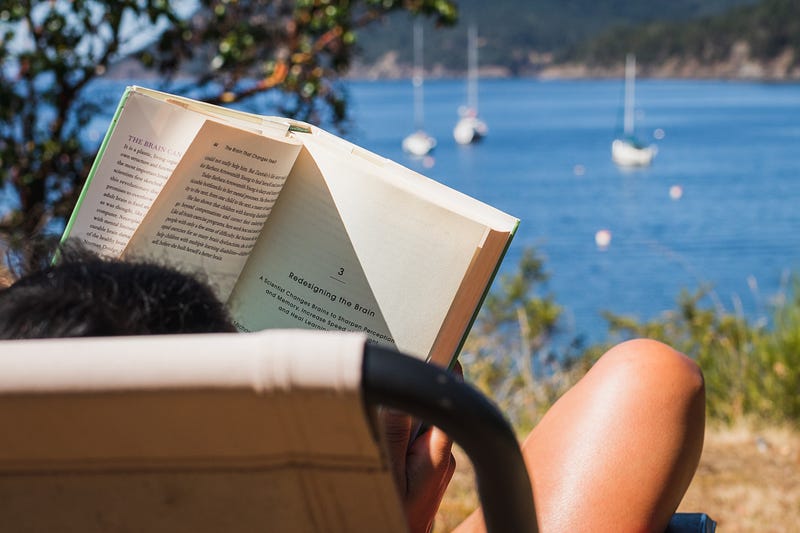
I typed the words “lazy person” into Unsplash, and this photo popped up; someone reading a book on a lounge chair, enjoying the sun’s company alongside the sea. I couldn’t help but notice this picture epitomizes my ideal afternoon, so I asked the next logical question, “Am I lazy?”
My family and friends wouldn’t describe me that way. None of them will ever forget how in high school, I drove three hours a day, six days a week, to five-hour training sessions for the sport I dedicated my childhood to competitive gymnastics. When I set my mind to something, I’ll sacrifice almost anything to get it, but if my heart’s not in it, no other body part of mine is either.
As a child, I took issue with the parental mantra, “Because I said so,” and as an adult, I oppose doing anything because “that’s just what you do.” I’m not a rule-breaker, but I’m a rule-questioner, and my most recent ask is,
What does it mean to be lazy and why are we so afraid of it?
Laziness can be defined as “not being willing to work or use any effort.” It’s most closely related to the deadly sin of sloth characterized by carelessness, unwillingness to act, and becoming easily discouraged by setbacks.
As you can see, industriousness is not only a cultural ideal and the heartbeat that pumps the blood (bills) through our consumerist society, but it’s also a religious pillar. It’s no wonder we have grown to fear any association with the word lazy and subsequently adopted an ideal of busyness for the sake of being busy.
There can be no fruits for your labor without labor, so it’s ultimately in your best interest to work. It’s how you work that’s up for debate.
Let’s run with the fruit example for a moment. If you plant a lemon tree in your backyard, you shouldn’t be shocked it doesn’t grow oranges. Similarly, if you chase money, you can’t expect it to buy you meaning, and if you prioritize the search for meaning, don’t presume your efforts will multiply your money.
Be intentional with what you plant, and you will always grow good fruit. The only mystery is how much.
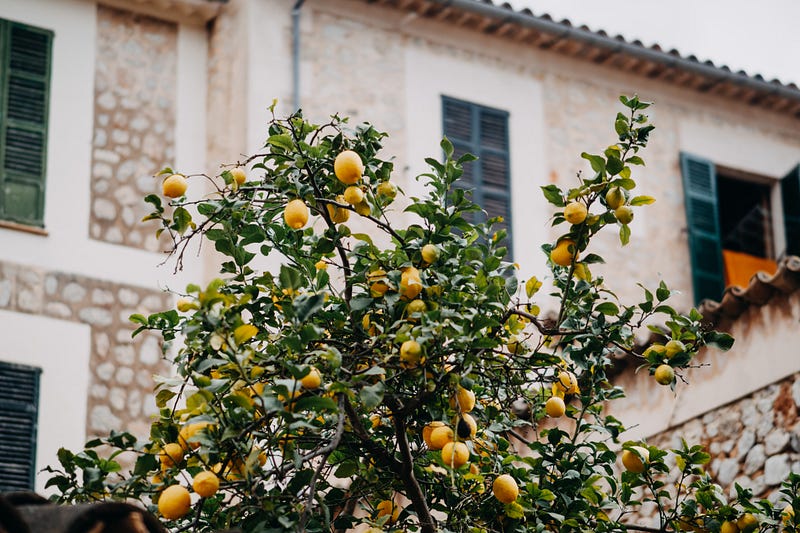
If being busy is doing everything, and being lazy is doing nothing, then living slow is doing less in the search for more. Slow-living isn’t about not wanting to work but about understanding what you’re working for. It may mean choosing enjoyment over efficiency, creativity over productivity, and living for the small moments instead of lusting after the big ones.
Slow living isn’t about laziness or refusing to plant anything, but about deliberately deciding what to plant after careful consideration of your personal values. Would you rather be stressed or still, not with your body but with your head and heart?
Although we often confuse stillness with laziness, as Mr. Han explains to a young Dre in the 2010 rendition of Karate Kid, “Being still and doing nothing are two very different things.”
Achieving an inner state of calm requires effort, and if you’ve ever tried to quiet your mind through meditation, you understand just how much. Slow living emphasizes this search for stillness over erratic busyness, believing that having too many places to be and too much to do steals the simple pleasures out of day-to-day life.
Living slower means allowing yourself to do less so you can savor more. In my case, it looks just like that picture of a lazy person; reclining on a lounge chair, devouring a novel in one sitting, and soaking up the sun to the soundtrack of waves lapping the shore.
It looks like all of that, but what it feels like is the ultimate prize. It feels like peace.
More Medium? Get unlimited access here. Your membership directly supports me and all of the other writers you enjoy. Thank you!


