
SPIRITUALITY
Being Diana: Goddess of the (Critically Endangered) Wild
What does it mean to be the Goddess of an environment that is disappearing?
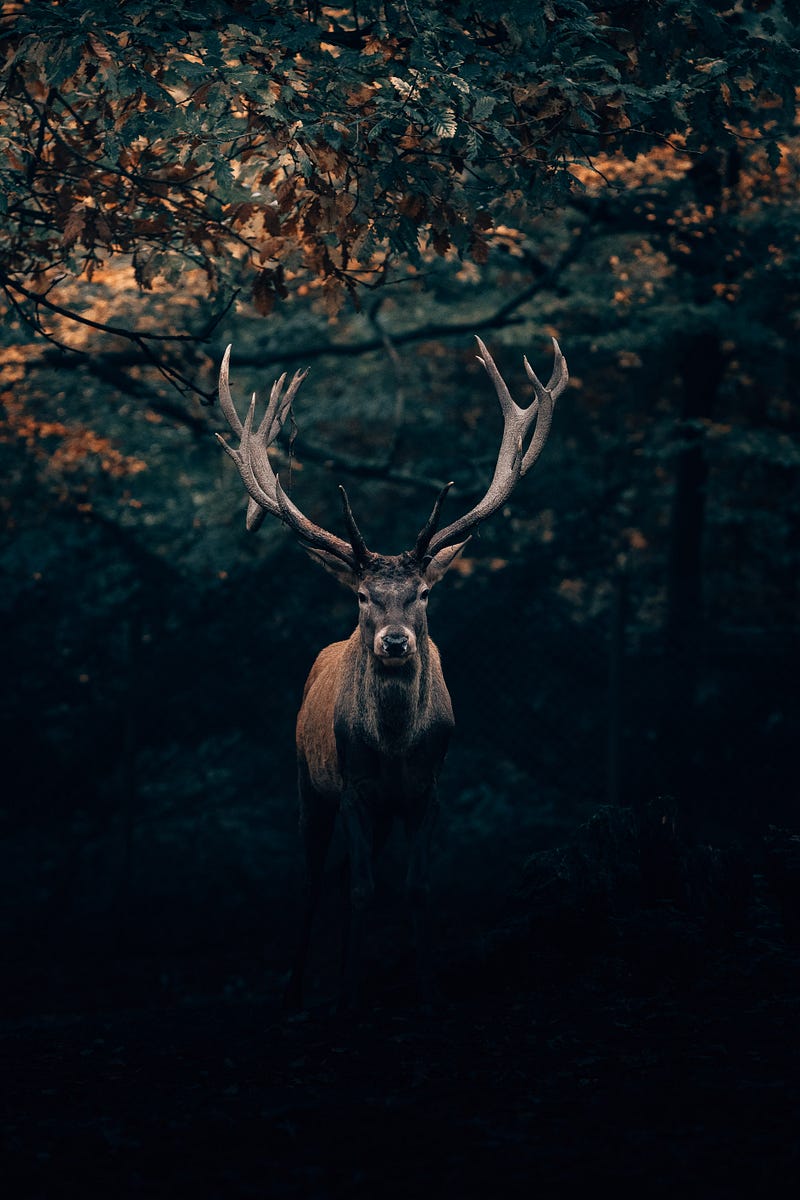
What does it mean to be Goddess of the Wild and Wild Places, Goddess of the Hunt in a world where 23% of wild lands remain and 99.9% of wild species are extinct? Where is the wild anymore and how can it be worshipped?
The Goddess Diana is the Italian version of the Greek Goddess Artemis. Her tradition is an ancient pre-christian lineage of embedding oneself into the ecosystem and becoming one with this fierce and powerful force. More recently both of these Goddesses have also come to have an association with the moon. But her ancient origin is that of protector, purveyor and Queen of the Wild.
To add to the horror of the previous statistics, of what remains of the wilderness, “More than 70% of remaining wilderness is in just five countries: Australia, Russia, Canada, the United States (Alaska), and Brazil.”
What do we do with information like this and what does it mean for an archetype like Diana?
Let’s Talk About Diana
The Goddess Diana was the energy of the forest grove. In pre-christian medieval Europe, one would would go to interact with her there. The grove was a place where one was held and contained within the larger wildness. The Goddess Diana was doing the holding: Holding space for one within this wildness, creating a safe container within which one could participate with, experience and become one with this wild force.
Because at one time the wild was very near and very dangerous, the village, camp or settlement was the safe space within which a community of humans, their livestock, grains and cultivated foods, was protected. The wild was everywhere outside the village, literally surrounding it. Going into the wild meant leaving that sheltered, village space. This was not an imagined danger. Indeed there were an abundance of wild animals that could cause serious harm, one could also easily lose their way. There was no artificial light. There were no “trail maps” or “markers.” There were no rangers, Coast Guard, no National Park Service. The forests were so thick with trees, one could often not see through them. The wild was close and it was dangerous. Thus tales like Little Red Riding Hood and Hansel and Gretel, psychological interpretations aside, were warning tales designed to keep children and maidens within the safe confines of the village.
We can hardly imagine this any more because humans, as a species, have dominated this planet and killed off most of the other top predators. We are that now. The wild live within our orbit. The wild needs protecting from us. We are the danger now.
Goddess of Outlaws and Revolutionaries
In medieval Europe under feudalism, roaming the wild forests were also bands of “outlaws” or people who lived outside of the villages as independents. Legendary Robin Hood and other “bandits” or bands of outcasts — the “brigande” in Italy, and revolutionaries would meet in these groves, set up camp and be protected by Diana. She was on their side: the side of the serfs, peasant folk, the ordinary people. She was the patroness of the humans who were close to the land and the wild, and those who fought for their rights.
Diana was also Invoked on the Hunt
It used to be that when one went on a hunt to acquire game to feed their community, they would leave the village or camp and go out into the wild to meet the wild animals. The hunt was a powerful and profound spiritual experience of encountering the soul of the animal in a quasi-magical ritual and asking it to offer its life-force for the good of one’s community.
One called upon Diana or Artemis in these ritualistic hunts because they wanted her help, protection, and wisdom as they headed out to encounter the wild. They made offerings to her out of respect and in return for her care and cooperation. One also wanted permission to take one of her animals. For Diana was also the Goddess of Wild Animals. The deer, stag, bear, wolf, wolfhounds and wild dogs were her emissaries and allies. One would invoke her relationship with these beings on the hunt, and at other times become one of them in deeply meaningful shapeshifting rituals simulating the wild hunt in village festivals and other power days.
Being in right relationship to Diana was essential to the health of the village, and balance of the ecosystem.
Diana of the Oak
Diana was also a Goddess of the Trees, Oak Trees or Forest Grove. The trees themselves offered protection and guidance as one made their way through the wild forest.
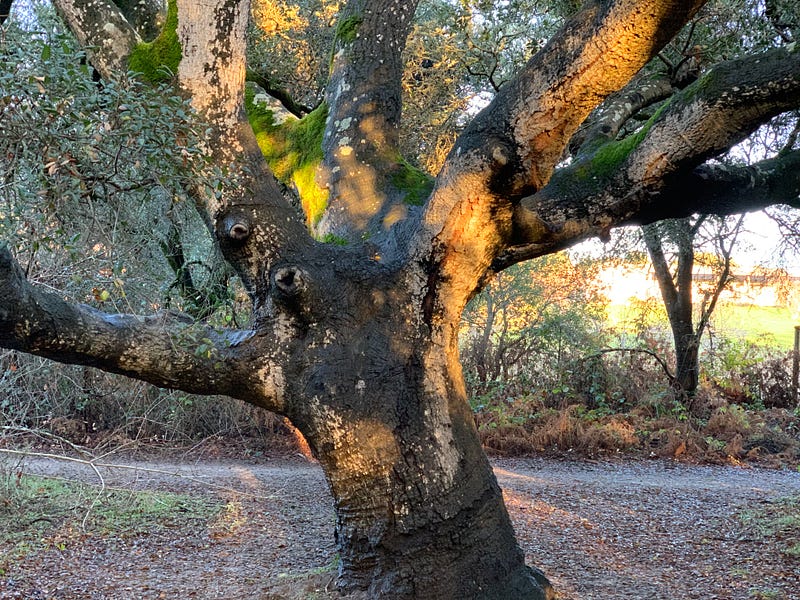
Diana was a tree because at that time humans could see the forest for the trees. All trees are wild and perpetually engaged with the wild. Trees house the wild. So through any tree anywhere once could access Diana, make offerings to her and engage the force of the wild.
Diana herself was a Goddess of the European continent, and specifically Italy but there are many counterparts to her in other traditions expressed differently according to the ecosystem and local culture.
The Wild in 2021
Currently, when those of us living in the western industrialized mindscapes think of the wild, we tend to think of places that are far away from us. Unless we live on land that is uncultivated and undeveloped, we believe we need to leave our suburban town, neighborhood, city block and drive or even fly for a good bit of time to access the true wild.
We imagine when we are there in that wild destination that we will also encounter the parts of ourselves that are wild: that are not colonized, domesticated, tamed, manicured, controlled or manipulated. Just as it gets harder and harder to find the wild places and other wild species, we believe it is harder and harder to find our own wildness.
Many of us believe that the wildness is our authentic and true self and so hold these parts of ourselves with the same feeling of nostalgia, loss, bereavement and grief as we do the wild places: The wild is lost and abandoned and with it, its facilitator and protector: Diana.
But perhaps it is time to examine this way of thinking.
The Romanticization of the Wild
Through history, our relationship and ideas about the wild have evolved. The wild changed from being a close and present danger right outside our village to a romanticized and noble place and state of mind that exists somewhere else, far away. This romantic view of the wild that originated in the 1800s, viewed it as uncharted and undiscovered territories of nature, untouched by humans and our habits. The places where industrialization and civilization hadn’t happened. With this belief arose a feeling of nostalgia for the wild; a feeling of loss and perpetual longing. The wild was now a perceived pristine, uninhabited place, far removed from the daily life, where one could go to be recalibrated.
This romanticization of the wild was carried into the present and into the environmental and ecological movements where it still profoundly influences their directions and actions.
Environmental Historian William Cronon in his piece “The Trouble with Wilderness; or, Getting Back to the Wrong Nature,” argues that this continued romanticization of the wild actually causes more harm than good. First of all, the wild places that people imagined into romantically in the 1800s were not uninhabited, untouched and unaltered. There were plenty of indigenous and native peoples in the places that the European mind fantasized as wild. They just had not been charted by the Europeans. This frontier of the imagination (and the literal western frontier that men went to conquer and tame and be wild in) caused unimaginable harm to the native peoples who lived there, the land itself and the other species the local peoples had cohabited with for millennia. The North American Buffalo but one example. These places were not actually wild.
Also, because of this romantic notion of the wild as an Eden people can seek and travel to in order to restore their souls, the places that were perceived as wild often became places of recreation and leisure. The ability to access these places is not and never has been available to everyone, so the romanticized wild is also an elitist concept. The wild became a “rich man’s playground.” It is actually a privilege to be able to take off weeks or even months from work and travel to a “wilderness adventure,” have an experience with the wild or do something “crazy” that feels wild. It is actually not wild at all. It’s scripted.
We have to face the facts: we cannot bring back what we have lost. The wilderness that has been destroyed by human activity and population is gone forever. This is indeed a problem and the remaining actual wilderness something we do need to attend to and care about but we must evolve out of this romantic idea of the wild and the wilderness and form a whole new relationship to what we mean by the wild, what is wild and where the wild is. In order to save any actual wild at all that is left, we — humans — must grow up our ideas around nature, wild and understand and embrace our own embeddedness within our ecosystems of home.
Cronon states:
“To the extent that we live in an urban-industrialized civilization but at the same time pretend to ourselves that our real home is in the wilderness, to just that extent we give ourselves permission to evade responsibility for the lives we actually lead. We inhabit civilization while holding some part of ourselves — what we imagine to be the precious part — aloof from its entanglements. We work our nine-to-five jobs in its institutions, we eat its food, we drive its cars (not least to reach wilderness), we benefit from the intricate and all too invisible networks with which it shelters us, all the while pretending that these things are not an essential part of who we are.”
AND SO: now what?
We are dissociated from the truth of our reality and this dissociation allows us to cause more harm. Separating the wild, wildness and wilderness — indeed Diana — out and away from ourselves is detrimental. Instead, we need to welcome it back in. Welcome Diana back in.
I propose cultivating “habitats of wildness” in cities, in suburbias, in farmlands, in villages and towns, on our roofs, in our yards and parks and every island between roads and highways available, in everywhere and everyhow, because if we do this, a new wildness will arise and so will our wildness be restored to us.
We can create pockets and bubbles of wildness that will eventually find each other and create a more pervasive ethos of wildness in the culture at large. For everyone- every human, animal, plant and spirit. And let’s face it, less driving to wildness and stomping around on what little true natural wildness may still actually exist can only benefit those places. Can we really leave them alone to remain as they are and with the people they belong to?
The Goddesses were interacted with as alive energies, as active parts of the communities. These relationships were formed and maintained in order to keep the balance in the community. One could be her priestess in the temple or have a more everyday relationship to her. But the relationship to the energy she embodied was what was being maintained and cared for, both for the individual and the well being of the community at large. The loss of an active and persistent relationship with the Goddess Diana or the Goddess of the Wild and the wild force she embodies has created an imbalance and wants to be called up again and integrated into our daily lives and the places where we live.
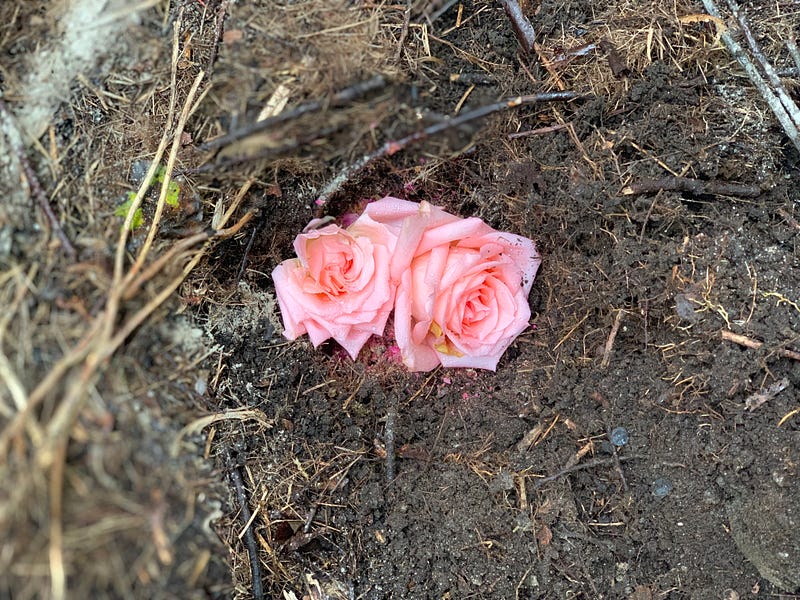
And in these habitats of wildness we create or claim, we can build shrines to Diana, Artemis, the Goddesses of the Wild, the energy and ethos of the wild, whomever and however you perceive it to be. And begin to once again, interact with this powerful and profound force of wild in a way that benefits all.
As Cronon says:
“This will only happen, however, if we abandon the dualism that sees the tree in the garden as artificial — completely fallen and unnatural — and the tree in the wilderness as natural — completely pristine and wild. Both trees in some ultimate sense are wild; both in a practical sense now depend on our management and care. We are responsible for both, even though we claim credit for neither.”
Wildness is ultimately spontaneity, unpredictability, potentiality. It is the unknown and unexpected. It’s putting 1 and 1 together and getting 3 or more. If we can plant and create habitats for wildness to flourish, starting with the pollinators and the plants that pollinators love and allowing some weeds to grow, enough but not to take over our gardens, and not use chemical pesticides (which do actually obliterate the wild). If we can allow these places to come alive with “the call and the response,” we may be surprised by what is created.
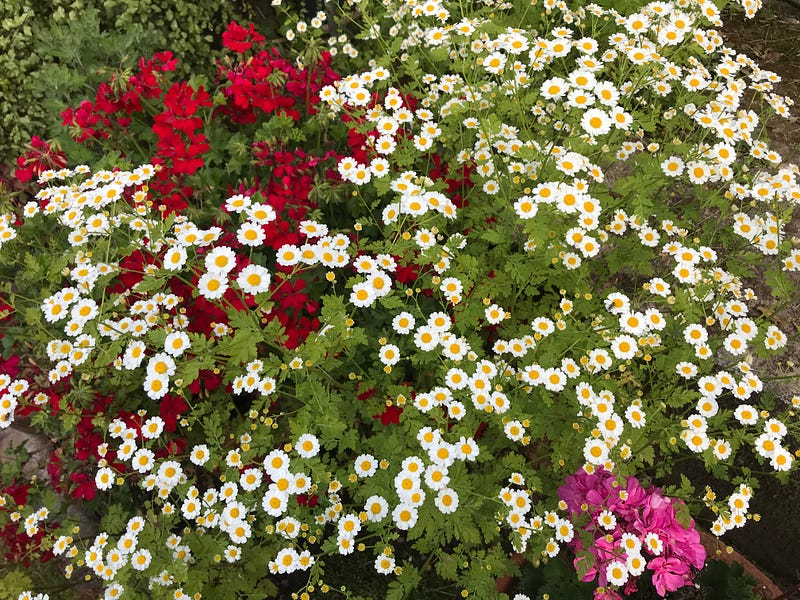
Who comes when you plant certain plants? Who comes when you create pathways and bridges for wilderness right in your town and over your highways? Who returns when you clean up your rivers? Who gets called when you stop treating wild animals like pests. What gets evoked in you when you welcome Diana, welcome the wild back into your life, right here, right now? It’s not out there. Call back that projection. What gets activated when you do? When you dedicate your place, your space and lots of your mind, time and imagination to welcoming back the wild right outside your door, wildness will return and with it its twin flame: Magic.
Here are some online resources for planting wildlife habitats:
The National Wildlife Federation
National Resources Conservation Service
©Theresa C. Dintino 2021