
Being A “Hot” Girl: Humblebrag or Hindrance?
Acid attacks, hostility and harassment: is extreme beauty all it’s cracked up to be?
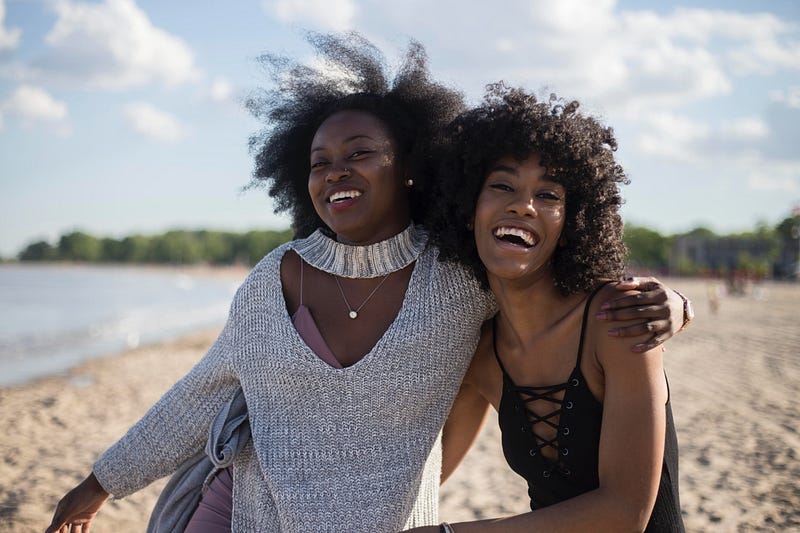
Extensive research suggests that good-looking women have it much easier in life.
It has been well-documented that those who are physically attractive enjoy a plethora of benefits and preferential treatments compared to their less desirable counterparts— from greater professional opportunities, such as better job prospects and higher salary negotiations, to receiving freebies, being excused from minor offenses, acts of chivalry from men and even superior health care from medical professionals.
Beautiful women also possess the superpower known as the halo effect — the idea that since you have one positive attribute (in this case, good looks) you’re more likely to be in possession of other favourable qualities such as intelligence, aptitude, or charm. Positive assumptions are made about your character and capabilities based on how physically attractive you’re perceived to be.
As someone who enjoys foraying into sociological and cultural commentary from time to time, I wanted to examine the other side of the coin:
The downside(s) to being an extremely beautiful woman in today’s society.
I know, I know. Before you roll your eyes at the concept of beauty being a drawback in our appearance-driven, people-literally-make-millions-off-their-looks, billion-dollar-beauty-industry-having society, I think it’s worth investigating the ways in which being beautiful isn’t the saving grace we’ve been programmed to believe it to be.
Because it’s not. There’s somewhat of a bell curve to it — while the absence of ugliness will generate generally positive side effects, being extremely beautiful definitely comes with its fair share of pitfalls. Pitfalls, in some tragic cases, can result in harm or even death. So let’s shine a light on this phenomenon and work out for ourselves:
Is beauty all it’s cracked up to be or does it pay to be plain?
One of the biggest drawbacks to being extremely beautiful is the obvious biases you face as a result of your looks. Not knowing if people like you for the person you are or for the visual delights you provide.
There is a definite objectification at play concerning beautiful women. Many find themselves relegated to an object of desire — their spirit and substance nullified and overridden by the carnal impulses of men.
In many cultures, manhood is defined by its proximity to a woman’s sexuality — in other words, a boy becomes a man through the spectatorship of the women he desires.
Since beautiful women the world over are consumed under the male gaze, it shifts the dynamic from being in even-kiltered transactional territory to the commodification of the woman and the subsequent empowerment of the man.
It’s sometimes difficult to discern whether the connections you foster with men are based on natural affinity for one another or the fact that they want to have sex with you. And this is that icky grey area that destabilises the natural dynamic between the sexes in a lot of cases.
Comments on the AskWomen subreddit demonstrate some of the realities of these muddy social waters:
“Oh man. I’m 21. The number of times guys I thought wanted to be my friend disappeared after they realized I wouldn’t sleep with them is stupidly high” — u/finallyinfinite
“My girlfriend has been bummed out by the number of guy friends who stopped hanging out with her after we started dating. Things were never sexual with those guy friends but just the fact that she wasn’t single anymore was apparently enough to kill their friendship. She describes herself as just a vagina in their eyes. It’s sad.” — u/Rocketbird
Sexual harassment is another well-documented consequence of being a remarkably beautiful woman.
Catcalling, touching without consent, and unwanted sexual advances are all examples cited by the 97% of women aged 18–24 who have been victims of sexual harassment according to a survey conducted by UN Women UK.
Interestingly, receiving attention from men (whether coveted or otherwise) can often be a catalyst for receiving hostility from other women. When a man selects one woman at the expense of another, it creates an ambience of competition — an uncomfortable contest often with unwilling participants. It can cause friction, unwanted tension, and generally unsupportive, envious behaviour among female acquaintances.
Anyone who’s seen the movie Malena can attest to the dangers of female rivalry over beauty. Scorn, ridicule, manipulation, and even physical violence are all examples of the cruelty that can befall significantly attractive women in a female-populated environment. Proximity to Malena’s beauty is something that the men around her desire and the women around her detest.
This envy-related hostility can sometimes have devastating and life-altering effects. In December 2012, Naomi Oni was the victim of a horrific acid attack that almost blinded her and left her with third-degree burns and permanent disfigurement. Her attacker? A jealous and spiteful female friend who was obsessed with her looks.
So, do beautiful women have it easier in life?
Although research has investigated and identified many of the benefits associated with being attractive, and research on the disadvantages of physical beauty is comparatively scant, this doesn’t mean that the struggles of beautiful women are insignificant.
Since beauty is so highly coveted, people may struggle to believe that it can be an impediment to a woman’s life. If anything, many consider it a watertight form of protection against the many ills that life has to offer. However, as highlighted by the above examples, being extremely beautiful can be an exhausting and heavy burden that many women are forced to carry by the patriarchy and imposed standards of beauty.
In many cases, being beautiful means that you’re readily perceived but rarely understood. Consumed but undernourished by those who most enjoy your offerings.
Our predisposition to scoff at such an affliction adds to feelings of isolation that often prevent women from speaking out on damaging issues pertaining to their looks. We’re quick to throw labels like “narcissist” and “arrogant” around when women acknowledge their own attractiveness, without stopping to examine the ways in which the patriarchy is responsible for making beauty a metric for comparison.
I hope that we can band together as women and offer solace to each other, regardless of whether we share each other’s struggles or not. The price of beauty is a hefty one, and many of us should consider ourselves fortunate to fall on a manageable and favourable area of the spectrum. As elusive a category as extreme beauty may be, the responsibilities of residing there are not to be sniffed at. Regardless of where we find ourselves, our duty to each other as women existing in a patriarchal society should override any other differences defining us.
There’s immense power in numbers, and considering the societies we live in, we need all the support we can get.
For more content like this, check out my other Musings here!
Thank you very much for reading! If you have any questions or comments, please feel free to leave them below.
If you enjoyed this read and are feeling generous, please consider buying me a coffee as a token of your appreciation. I will send you positive vibes with every single sip. ☕🌸