avatarDim Nikov

Free AI web copilot to create summaries, insights and extended knowledge, download it at here

1690

Abstract

g cured for preservation or cooked for immediate consumption.</p><p id="cf91">Because of their unassuming and uncomplicated composition, brats are also easy to prepare. I will be sharing a few tips and tricks on getting them right in the following few paragraphs, so read on.</p><h1 id="e067">Boiled Bratwurst</h1><figure id="aae3"><img src="https://cdn-images-1.readmedium.com/v2/resize:fit:800/1*7C2fB21EpkAkUJRsyVJTAw.jpeg"><figcaption></figcaption></figure><figure id="1bbe"><img src="https://cdn-images-1.readmedium.com/v2/resize:fit:800/1*XU32P-K7Q1iEJWkwx8yOvg.jpeg"><figcaption></figcaption></figure><figure id="1714"><img src="https://cdn-images-1.readmedium.com/v2/resize:fit:800/1*wiWmuRWv_xUyYbBAttNOqQ.jpeg"><figcaption>Photos by Dim Nikov on Medium</figcaption></figure><p id="0b56">One traditional way to eat a Bratwurst is to boil it.</p><p id="8358">Breaking away from <a href="https://readmedium.com/why-cooked-food-tastes-so-darn-good-8d91c909c667">conventional cooking wisdom</a>, this sausage turns out to be just as delicious when boiled as when fried or grilled.</p><p id="557b">Uncooked brats ought to be boiled to an internal temperature of 160°F (72°C) as measured by a meat thermometer. Cooked brats should be boiled briefly, until plump and piping hot, so that the sausages are both rehydrated and reheated.</p><p id="45fe">To achieve success, simmer the brats (raw or pre-cooked) gently. Otherwise, pressure from the steam will build up inside the casings and cause them to burst.</p><p id="7923">Serve the boiled Bratwursts alongside a spoonful of sweet Bavarian mustard (in German, <i>Bayerischer Süßer Senf</i> — quite the mouthful) and pair them with Bavari

Options

an potato and onion salad, white-wine-braised sauerkraut, and/or freshly baked pretzels.</p><h1 id="55e6">Grilled, Fried, or Roasted Bratwurst</h1><figure id="e377"><img src="https://cdn-images-1.readmedium.com/v2/resize:fit:800/1*mzSbf4DtPaeDB-xDx8fEYw.jpeg"><figcaption></figcaption></figure><figure id="cb09"><img src="https://cdn-images-1.readmedium.com/v2/resize:fit:800/1*ZTazlAVsTei6fRlg8BiW0g.jpeg"><figcaption></figcaption></figure><figure id="4358"><img src="https://cdn-images-1.readmedium.com/v2/resize:fit:800/1*ahzFGH-o3nM9GAXXjeHUSw.jpeg"><figcaption></figcaption></figure><figure id="4024"><img src="https://cdn-images-1.readmedium.com/v2/resize:fit:800/1*8lVE7acIzvYaCTWBZrIyOA.jpeg"><figcaption>Photos by Dim Nikov on Medium</figcaption></figure><p id="2e87">Even if I plan on grilling, pan-frying, or roasting the Bratwursts, I still prefer boiling them first until they’re piping hot because it plumps them up and they turn out juicier.</p><p id="8842">When cooking brats with dry heat, the same principles apply as when cooking in water — use medium-low heat to produce a rich, golden brown crust, and avoid cranking up the heat too high, lest pressure build up inside the sausages and their casings burst.</p><p id="992a">I achieve the best results when I pan-fry the Bratwursts in a thick, heavy-bottomed cast iron skillet slicked with butter, and I recommend that you do the same.</p><p id="8286">As the Bavarians say with a large jug of wheat bear in hand, “Prost!”</p><p id="d3e1"><b><i>P.S. Thanks for reading! I post on Medium every week. <a href="https://medium.com/@dimnikov/subscribe">Get an email whenever I do by going here →</a></i></b></p></article></body>

Behold, the Bratwurst

These small sausages pack a lot of flavor. Here’s how to unlock it.
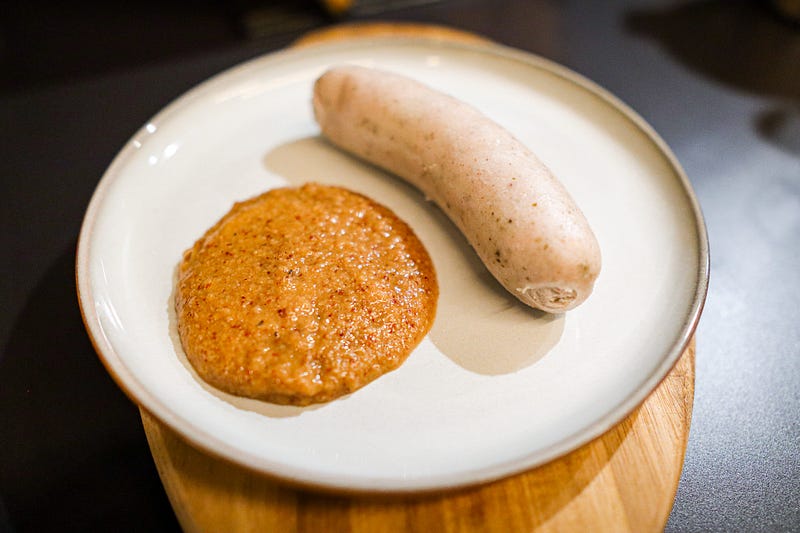
Photo by Dim Nikov on Medium

We all love brats — the Bavarian sausages that traveled across the Atlantic to become a staple of the American South during BBQ season.

Made from ground pork with marjoram — a piney herb more commonly used for tea than cooking in modern times — brats are typically pre-cooked and need only be heated until steaming-hot for reasons of food safety, as Listeria bacteria may be lurking in the meat.

Sources differ on the exact origins and meaning of the name.

While there’s no disagreement that “Bratwurst” comes from the Old German Brätwurst, and that “Wurst” refers to sausage or mixed meat, the “Brät” part has been interpreted in two ways — some say it means “meat without waste,” whereas others argue it’s actually about the process of frying.

There is no doubt that Bratwursts, like all other sausages in the Middle Ages, had humble beginnings. Sausages were a means of using up every part of the animal.

The “lesser cuts,” as they were known, were ground, seasoned with salt, herbs, and spices, then encased in the pig’s intestines before being cured for preservation or cooked for immediate consumption.

Because of their unassuming and uncomplicated composition, brats are also easy to prepare. I will be sharing a few tips and tricks on getting them right in the following few paragraphs, so read on.

Boiled Bratwurst
Photos by Dim Nikov on Medium

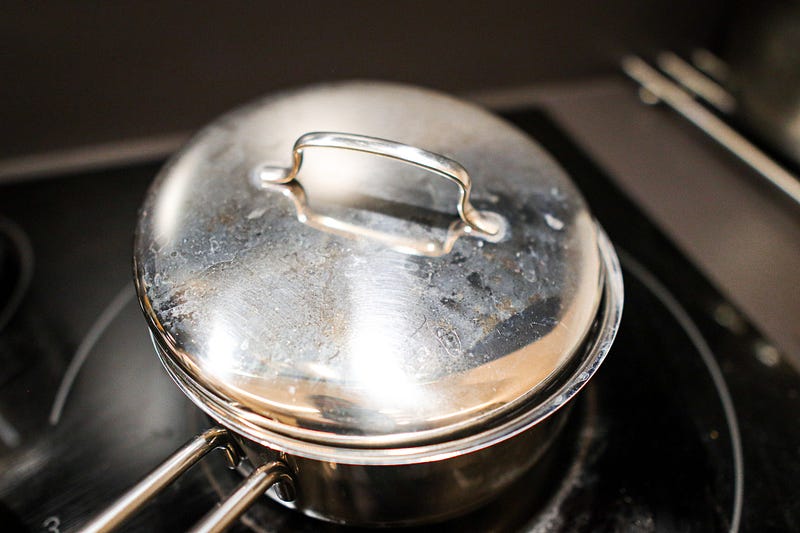
One traditional way to eat a Bratwurst is to boil it.

Breaking away from conventional cooking wisdom, this sausage turns out to be just as delicious when boiled as when fried or grilled.

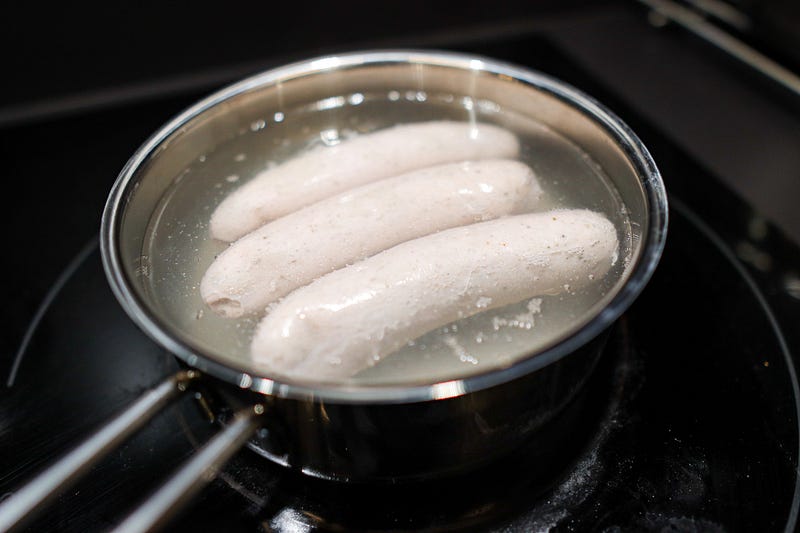
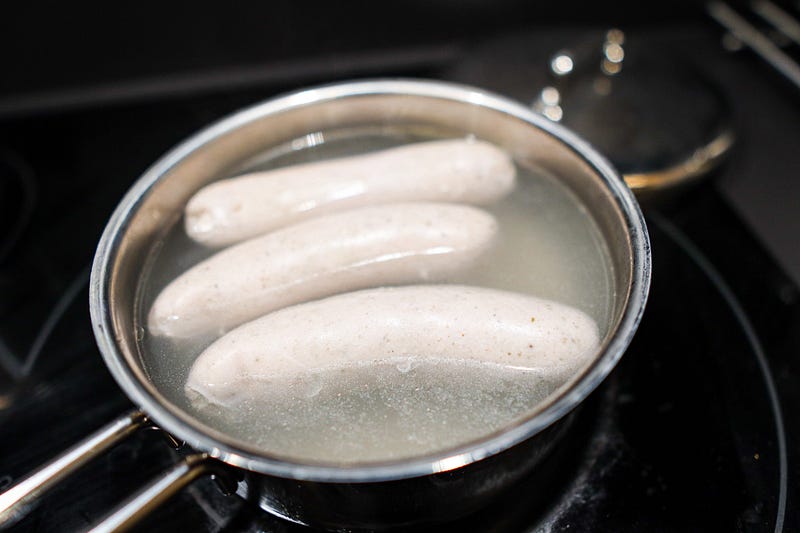
Uncooked brats ought to be boiled to an internal temperature of 160°F (72°C) as measured by a meat thermometer. Cooked brats should be boiled briefly, until plump and piping hot, so that the sausages are both rehydrated and reheated.

To achieve success, simmer the brats (raw or pre-cooked) gently. Otherwise, pressure from the steam will build up inside the casings and cause them to burst.

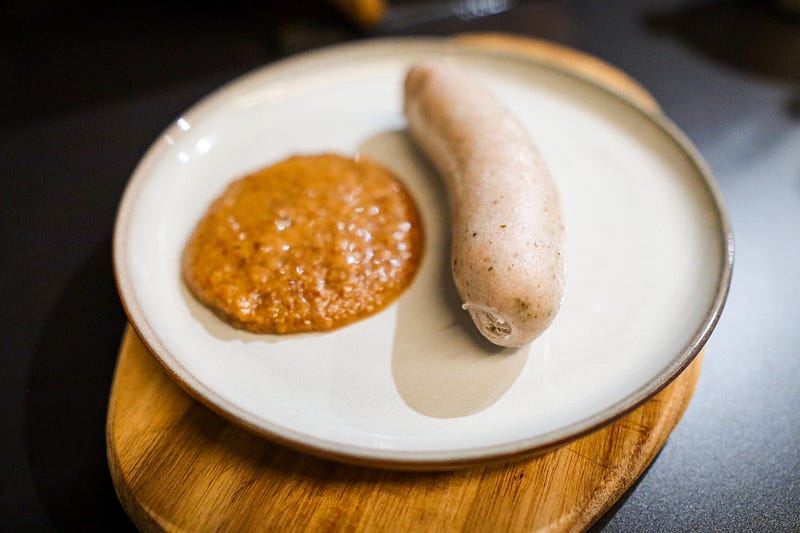
Serve the boiled Bratwursts alongside a spoonful of sweet Bavarian mustard (in German, Bayerischer Süßer Senf — quite the mouthful) and pair them with Bavarian potato and onion salad, white-wine-braised sauerkraut, and/or freshly baked pretzels.

Grilled, Fried, or Roasted Bratwurst
Photos by Dim Nikov on Medium

Even if I plan on grilling, pan-frying, or roasting the Bratwursts, I still prefer boiling them first until they’re piping hot because it plumps them up and they turn out juicier.

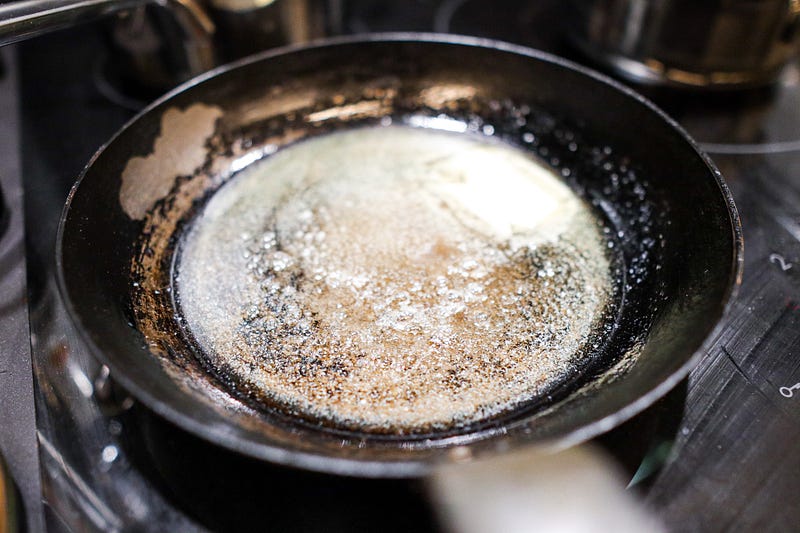
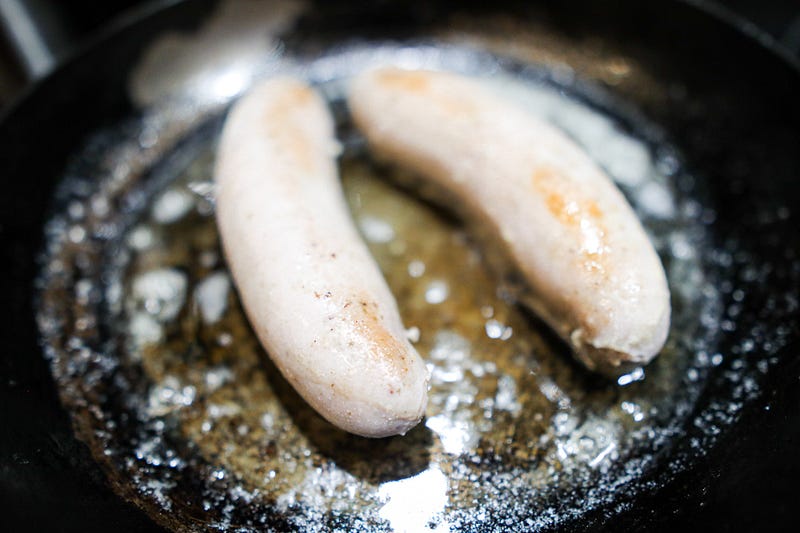
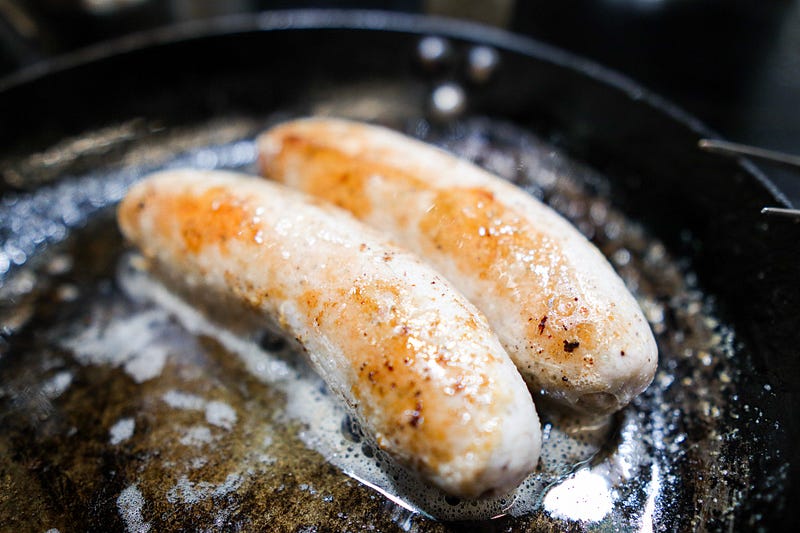
When cooking brats with dry heat, the same principles apply as when cooking in water — use medium-low heat to produce a rich, golden brown crust, and avoid cranking up the heat too high, lest pressure build up inside the sausages and their casings burst.

I achieve the best results when I pan-fry the Bratwursts in a thick, heavy-bottomed cast iron skillet slicked with butter, and I recommend that you do the same.

As the Bavarians say with a large jug of wheat bear in hand, “Prost!”

P.S. Thanks for reading! I post on Medium every week. Get an email whenever I do by going here →

Food
Food And Drink
Cooking
Foodies
German Food
Recommended from ReadMedium