avatarParadoxon

Free AI web copilot to create summaries, insights and extended knowledge, download it at here

2649

Abstract

Zulu Kingdom, their resilience and determination remained unyielding. Their struggle against European encroachment continued, culminating in the Bambatha Rebellion of 1906 — a valiant uprising against British colonial rule.</p><p id="0c34">Although the rebellion was suppressed, the Zulu people’s spirit persevered. The Zulu Kingdom developed over the years into a crucial component of South Africa’s cultural landscape, and its traditions, language, and rituals continue to this day. The legacy of the Zulu Kingdom reminds us of the strength and resilience of African nations throughout history.</p><h1 id="d969">Lessons from the Past</h1><p id="2277">Understanding the difficulties of colonialism, cultural variety, and the resiliency of indigenous peoples can be learned from the growth of the Zulu Kingdom and its clashes with European forces.</p><p id="a3fc">It serves as a stark reminder of the human cost and struggles endured when differing civilizations collide. Investigating this history helps us understand the Zulu people’s successes and setbacks while highlighting the value of cultural preservation and appreciation for the diversity of our global community.</p><h1 id="eb3c">Conclusion</h1><p id="7d38">The Zulu Kingdom’s rise and subsequent clashes with European powers serve as a testament to the indomitable spirit and rich heritage of the African continent. From Shaka Zulu’s military genius to the enduring legacy of the Zulu people, their story captivates and inspires.</p><p id="a255">As we delve into the pages of history, let us remember the strength and resilience of the Zulu nation, appreciating their contributions to the diverse tapestry of our world. A more accepting and understanding future is made possible by accepting cultural variety and the past.</p><p id="d53e">If you would like to read more interesting and insightful stories, why not join Medium as a member. Click here to join now also follow us on twitter!</p><p id="3655"><i>Check out the stories below for more insightful information</i></p><div id="1822" class="link-block"> <a href="https://readmedium.com/fdrs-contribution-to-world-war-ii-the-atomic-bomb-ff94961ff01"> <div> <div> <h2>FDR’s Contribution to World War II & The Atomic Bomb</h2> <div><h3>“The technology which saves & devastates at same time.” — Iqra Shah</h3></div> <div><p>medium.com</p></div> </div> <div> <div style="background-image: url(https://miro.readmedium.com/v2/resize:fit:320/0*BjD92NjRDOdlLbVl)"></div> </div>

Options

</div> </a> </div><div id="a930" class="link-block"> <a href="https://readmedium.com/5-facts-about-nato-which-are-unbelievable-could-we-be-in-trouble-42d81a319111"> <div> <div> <h2>5 Facts About NATO Which Are Unbelievable — Could We Be in Trouble?</h2> <div><h3>Did NATO just get expose?</h3></div> <div><p>medium.com</p></div> </div> <div> <div style="background-image: url(https://miro.readmedium.com/v2/resize:fit:320/1*zPF-5hVZBc69CPvedEEeMA.png)"></div> </div> </div> </a> </div><div id="59af" class="link-block"> <a href="https://readmedium.com/5-ways-the-mongol-empire-promoted-innovation-84a4efd47006"> <div> <div> <h2>5 Ways the Mongol Empire promoted Innovation</h2> <div><h3>The Mongol Empire’s innovative policies, infrastructure, trade networks, and cultural practices.</h3></div> <div><p>medium.com</p></div> </div> <div> <div style="background-image: url(https://miro.readmedium.com/v2/resize:fit:320/0*AUXZnWub2WaQnbi-.jpeg)"></div> </div> </div> </a> </div><h1 id="e608">Sources</h1><div id="fba5" class="link-block"> <a href="https://en.wikipedia.org/wiki/Zulu_Kingdom"> <div> <div> <h2>Zulu Kingdom — Wikipedia</h2> <div><h3>The Zulu Kingdom (, Zulu: KwaZulu), sometimes referred to as the Zulu Empire or the Kingdom of Zululand, was a monarchy…</h3></div> <div><p>en.wikipedia.org</p></div> </div> <div> <div style="background-image: url(https://miro.readmedium.com/v2/resize:fit:320/0*H0urBqtfGSw4mWYq)"></div> </div> </div> </a> </div><div id="5dc3" class="link-block"> <a href="https://www.newworldencyclopedia.org/entry/Zulu_Kingdom"> <div> <div> <h2>Zulu Kingdom</h2> <div><h3>KwaZulu Kingdom of Zulu Flag Capital KwaBulawayo, South Africa; later Ulundi, South Africa Government King — 1812–1828…</h3></div> <div><p>www.newworldencyclopedia.org</p></div> </div> <div> <div style="background-image: url(https://miro.readmedium.com/v2/resize:fit:320/0*5IW5FeorENBSXjO4)"></div> </div> </div> </a> </div></article></body>

Behind The Scenes In The Zulu Kingdom

It rose to prominence as a military powerhouse with a dynamic culture and an unbreakable character.
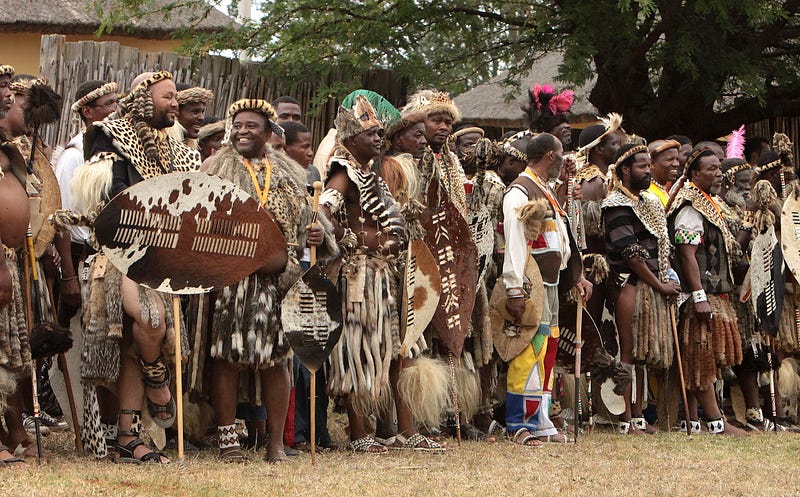
Zulu Kingdom | Source: Wikimedia Commons

I had the opportunity to explore The Zulu Kingdom, located in southern Africa. It rose to prominence as a military powerhouse with a dynamic culture and an unbreakable character.

The interesting rise of the Zulu country and the conflicts that erupted when it clashed with European influence are highlighted in this entertaining and interactive article that will take you on a historical journey.

The Dawn of the Zulu Kingdom

The story of this kingdom begins in the early 19th century when the Zulu Kingdom emerged under the visionary leadership of Shaka Zulu. Shaka transformed the Zulu people into a formidable fighting force by revolutionizing their military tactics and introducing the iconic iklwa, a short stabbing spear.

His disciplined and well-organized armies rapidly expanded the kingdom’s boundaries, solidifying its status as a dominant power in the region. Under Shaka’s rule, the Zulu Kingdom prospered, fostering a rich cultural heritage, with its vibrant traditions and oral history captivating the imagination of generations to come.

European Intrusion
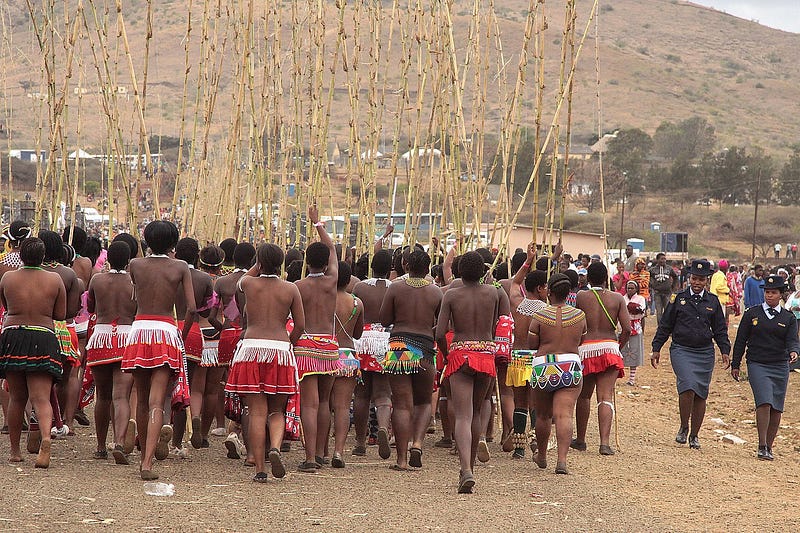
Zulu Kingdom | Source: Wikimedia Commons

However, the Zulu Kingdom’s ascent was soon challenged by European powers who sought to establish dominance over the vast African continent. The British Empire started expanding into southern Africa in the late 19th century, seeing the Zulu Kingdom as a barrier to their plans.

In 1879, the Anglo-Zulu War erupted, pitting the disciplined British forces against the courageous warriors of the Zulu Kingdom. Despite displaying incredible bravery, the Zulus were ultimately defeated in the battle of Ulundi, marking a turning point in their relations with European powers.

Resilience and Legacy

Though the defeat dealt a severe blow to the Zulu Kingdom, their resilience and determination remained unyielding. Their struggle against European encroachment continued, culminating in the Bambatha Rebellion of 1906 — a valiant uprising against British colonial rule.

Although the rebellion was suppressed, the Zulu people’s spirit persevered. The Zulu Kingdom developed over the years into a crucial component of South Africa’s cultural landscape, and its traditions, language, and rituals continue to this day. The legacy of the Zulu Kingdom reminds us of the strength and resilience of African nations throughout history.

Lessons from the Past

Understanding the difficulties of colonialism, cultural variety, and the resiliency of indigenous peoples can be learned from the growth of the Zulu Kingdom and its clashes with European forces.

It serves as a stark reminder of the human cost and struggles endured when differing civilizations collide. Investigating this history helps us understand the Zulu people’s successes and setbacks while highlighting the value of cultural preservation and appreciation for the diversity of our global community.

Conclusion

The Zulu Kingdom’s rise and subsequent clashes with European powers serve as a testament to the indomitable spirit and rich heritage of the African continent. From Shaka Zulu’s military genius to the enduring legacy of the Zulu people, their story captivates and inspires.

As we delve into the pages of history, let us remember the strength and resilience of the Zulu nation, appreciating their contributions to the diverse tapestry of our world. A more accepting and understanding future is made possible by accepting cultural variety and the past.

If you would like to read more interesting and insightful stories, why not join Medium as a member. Click here to join now also follow us on twitter!

Check out the stories below for more insightful information

Sources

History
Science
Ancient History
Historia
Facts
Recommended from ReadMedium