
Beef, is it Truly What’s for Dinner?
As the price of beef continues to soar, is buying beef directly from a rancher in your future
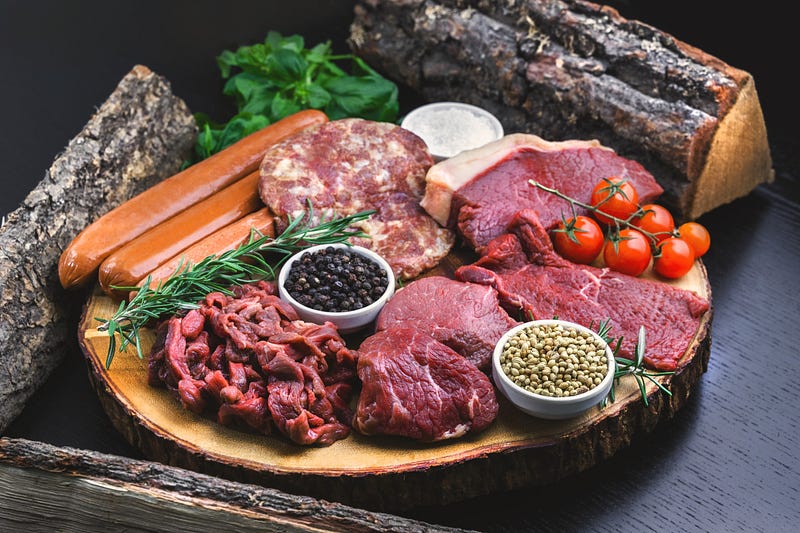
WARNING: Sorry Vegans, this isn’t for you.
I’m also not going to get into the whole debate about eliminating cattle due to their farts, which I have read contributes a whopping 1.08% of our greenhouse gases, which btw comes from their mouths, not the other end. A scientific fact, not hyperbolic fiction. Also, only 2% of Americans are truly Vegetarians, and of these one in four is a vegan, per the latest statistics from 2019.’ (Source Global Market Research Company, IPSOS)
As for the rest of you, read on…
Most people are alarmed at the rising cost of beef and some are now considering the option of buying beef directly from ranchers. Others are thinking about giving it as a Xmas gift, or perhaps they merely want to stock up on it for their ever-growing families so they are searching for ways to cut the cost. Whatever the reason, many ranchers hear from them at this time of the year so here is some background of where some of that beef comes from.
Texas is still the largest beef producer, followed by OK, MO, NB and SD. The USA is the top beef producer in the entire world. (Fauna Facts. com) Kansas ranks as the 6th largest producer and the majority of our cows will graze the beautiful gentle rolling terrain of the Flint Hills, in Chase County. (See Worldpopulationreview.com) This area contains approximately 4.8 million acres of prime grassland that is privately owned by several multi-millionaire ranchers who maintain and manage this area per strict guidelines set by the KS. Department of Agriculture. The KDA also oversees and requires the burning of noxious weeds that pop up in these hills and they check and oversee the balance of minerals in the soil. They also mandate the periodic clearing of shrubs and trees in order maintain the distinctness of the area. (https://en.m.wikipedia.org/Flint-Hills)
Think the popular tv series, ‘Yellowstone’ only without the hyped melodrama.
April and May…
The ranch hands, hired cowboys, along with some owners start each and every day at 5 am on horseback as they ride out to check on the herds with cattle dogs in tow. The number of calves is tallied daily and the health of the herd is checked. Visual checks for pink eye and hoof fungus are performed daily and any signs of illness mean they must be roped and treated asap; their ear tags are appropriately updated.
The production of grass-fed beef is a multimillion-dollar industry, not your mom & pop farmer, and it’s not for the faint-hearted. It is grueling dirty work performed for the most part by hired hands and college-educated men and women who are as much at home on horseback as they are in pick-ups. They have learned the many differences between Black Angus, Herefords, and Kearney cows and they work through Spring rains, or droughts into 100 + broiling degree heat during the summer months without the benefit of shade.
Cattle graze continually and they must be watered daily if the ponds dry up. They must also be moved periodically to prevent overgrazing of the land and they are supplemented with vitamins as needed. Veterinarians work closely with the ranchers as an antibiotic needed must be USDA-approved organic and administered no later than 60 days before they can be transferred to a feedlot or a slaughterhouse. This allows the drugs to cycle out of their systems so they won’t contaminate the beef. Another ear tag is added to keep track of treated cows.
Grass-fed beef is labeled organic meat.
As beef prices continue to raise some consumers are finding ranchers online and are reaching out to buy a portion of a cow. For example, half a cow is a popular amount requested and it equates to 250–300 total pounds of meat. Broken down that is about 100 lbs. of ground beef with the rest split between roasts, fillets, steaks, ribs, briskets, and tenderloins. The price range then becomes $3.95–5.50 an lb. Substantial savings over retail prices of organic beef at the local stores. The total price for a half cow will be approximately $1100.
Grass-fed beef is not for everyone as it’s tougher than the usual grain-fed beef sold everywhere and it needs to be cooked at a lower temperature for less time. It does not have the fat and marbling found in regular beef. On the good side, it is healthier to eat than grain-fed cattle mostly kept by small independent farmers. It is especially good for those who have to watch their cholesterol levels. Not knowing this difference leads people to decide organic meat is tough and not as tasty and some end up wanting to return it for a refund. Consequently, most cattlemen now include printed cooking tips for “greenhorns.” Or, they inform customers up-front in order to avoid future complaints and the dreaded buyer’s remorse.
Most large herds of cows at transported to the Flint Hills in the Spring to graze until it’s time for them to start the journey to market. Cattle that are not earmarked to become organic receive only a couple of months of grass grazing before they are transferred to large feedlots where they will be housed and fed corn and other grains in order to fatten them up. Once they reach what’s called market weight they are slaughtered and then butchered and packaged before they are sent out to stores and supermarkets across the state in large refrigerated semis.
Organic grass-fed cows stay in the hills until late September/October where they are then taken directly to the slaughterhouses. They do not receive supplemental grain feedings. Therefore, the KDA stamps this meat ‘organic.’ The bulk of it is sent to health food chains where it is sold to what is believed to be more health-conscious consumers. Examples are Whole Foods Markets, Safeway stores, and through order from ButcherBox. Other outlets include private ranchers who advertise online.
As my daughter and I drove through the Flint Hills on a recent trip to Kansas City, the idea for this article was born. I could hardly wait to dig into researching this area that I knew almost nothing about, although I have long admired the vastness of its serene beauty. All who travel the turnpike are greeted by a large stone sign that simply says, ‘Now Entering the Flint Hills.’ A nice small sign below is needed that says, ‘all radio stations and cell phone usage is now suspended.’
Wind turbines are nowhere around as they are still prohibited, although greedy power companies keep trying to force them. An interesting aside here is Bill Gates is buying up as much of our agricultural land as he can. I’m not in his fan club, so I can only guess at his reasons… Does the movie, ‘Solvent Green,’ ring any bells?
I decided to break my writing hiatus to write this and get it out here, just in case anyone is thinking outside the box for Xmas gifts. Those who want to save on buying beef were also a consideration. I am not promoting Kansas beef by any means, although I would welcome any rancher who might want to reward me with a couple of T-bones.
*** For a more in depth look at where farming and agriculture are headed, read this thorough piece by Cinette Santangelo who is an educated rancher in Alberta, Canada. Vegans especially should consider what she writes… https://medium.com/@Cinette5/my-argument-for-raising-beef-or-sheep-versus-a-vegan-crop-of-pea-or-soy-protein-fa9bb
Thank you for your time and thoughtful writing everyone. Happy holidays!