
Incognito Inspiration
Being Invisible Online & Off
Anonymous on the internet & likable in real life
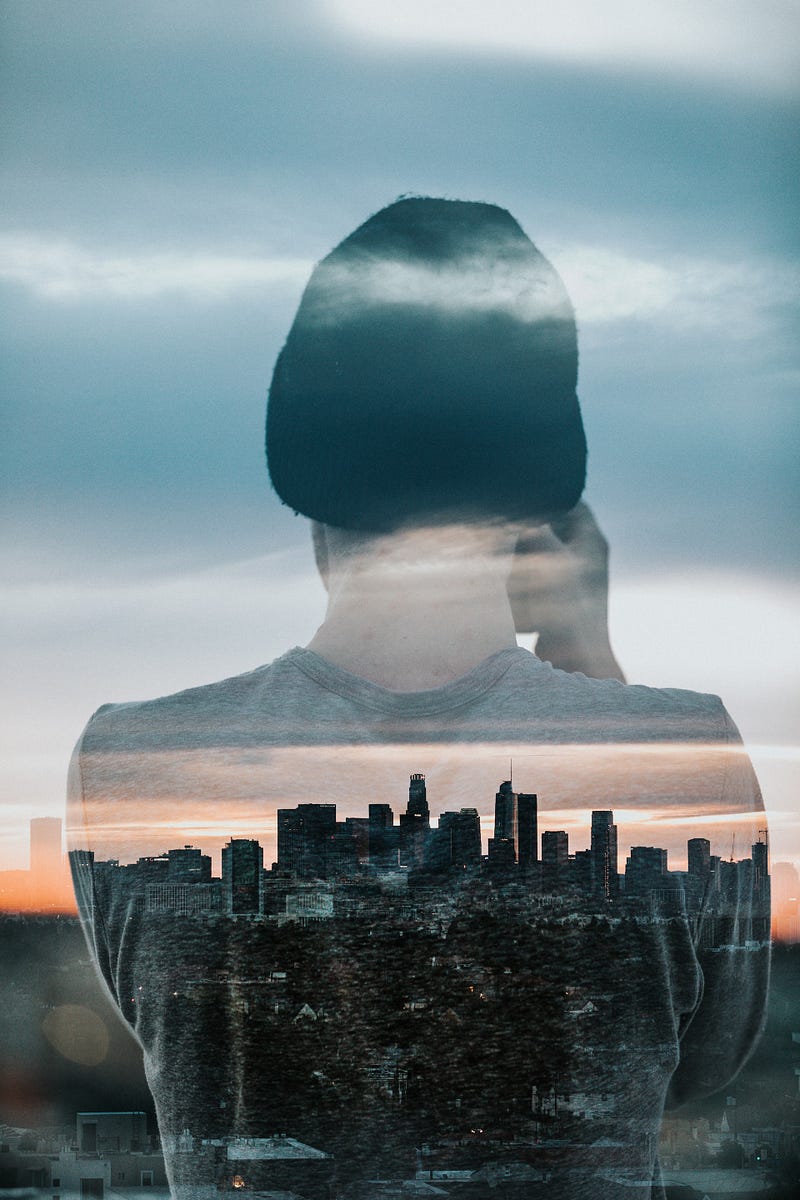
In not so covert operations, it helps to be invisible.
Despite what this story may indicate, I’m not a spy accustomed to working undercover using false identities. I’m not a hacker paranoid about security. I’m also not a therapist or psychologist with great manipulation skills. I was just someone who had to focus on staying alive.
The closest I came to being anonymous both online and in real life was when I had to go to a private facility for short term rehabilitative care.
During the height of the Covid-19 panic and ensuing lockdown, being in a crowded nursing home with little opportunity for outside contact felt especially dangerous. Everyone wore masks and oftentimes, gloves.
A bleeding ulcer had devastating physical effects requiring repeated massive blood transfusions. Complications resulted in muscle damage that led to the need for exhaustive physical therapy. (No, it’s not normal.)
Admittedly, I’m an enthusiastic fan of my own independence which doesn’t always make me an ideal patient. I was reminded of several enforced commitment medical horror stories. Ken Kesey’s excellent novel One Flew Over the Cuckoo’s Nest (novel) — Wikipedia made a big impression. (It’s one of the Top 100 chosen by Time Magazine among those printed between 1923 and 2005.)
We moved a lot when I was a kid. Being the “new kid in class” often made me want to be invisible until I could assess my unfamiliar environment. My brothers and I developed skills being non-threatening and not remarkably interesting. This alien world felt no different.
When your life and rehabilitative treatment rests in the hands of others, it's important to be pleasant and not alienate someone you must depend on.
We all have personal and public lives that can be offensive to some, including personal, religious, and political beliefs.
Everything you do on a computer can be discovered. The brilliant people who first created DOS (disk operating system) had even more brilliant cousins and friends gleefully engaged in attempts to improve upon, break or exploit their vulnerabilities. Human nature has not changed. I’ve spent decades working in the computer industry so know a few tricks.
Using the internet makes it easy for anyone interested to discover your identity and online activities. That can be avoided with just a couple of safeguards.
I decided to set up a new tablet and laptop to use while recovering with the idea of donating them before I went home. So, I’d make everything simple to use while avoiding future responsibility for any activity that took place at the hands of others. Why both a tablet and laptop? You can use one to validate legitimate authentication on the other.
With a new system I had a new IP address so there were no accessed web site cookies, no browser history, favorites, photos, or user preferences. I did not use my phone, credit card or personal identification during setup.
I set up a new Gmail address to reach those sites I cared about. I changed Google’s activity logging and personal data collection on all sites, including tracking Alphabet’s own product tracking usage like YouTube. My GMail name was something like “Pacific_Patient1979”.
To aid in my physical recovery I used a stylus for navigation and voice-to-text for input. (Note to the truly paranoid — fewer fingerprints and spilled crumbs.)
At that point I made a backup to later restore.
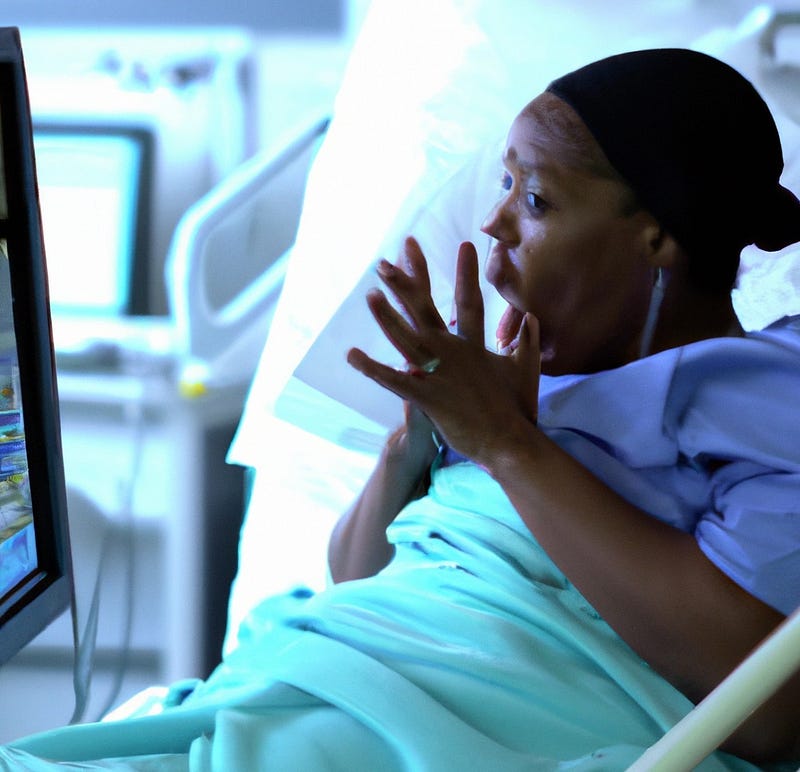
There is no end to the number of streaming YouTube videos.
One of the smartest people in the building was the doctor who made regular visits. After going over blood test results (hemoglobin still too low) we would chat. I shared news stories, podcasts and summarized the programs I watched.
I demonstrated and explained the Deep Web with its Covid-19 news.
“Hack away!” he called cheerfully as he left.
Attracting the attention of NSA, FBI or local authorities seemed ungrateful.
I watched a ton of videos, played games, and used the tablet to draw and write off-line.
Before leaving the facility, I double-checked and cleared activity logs, deleted cookies, and emptied cache. Just for giggles I ran a program that over-wrote a portion of memory with excerpts from Lonesome Dove.
A quick disk reformat, and backup restore erased most evidence I’d been there.
The nice woman who came to clean the room was happy to share the supplies I used to physically clean the laptop.
I imagine her kids using the tablet customized with photos downloaded from her phone.
Patients in the Activity Room liked using the laptop that required no typing. Video calls with relatives were popular since visiting in person was restricted during this time.
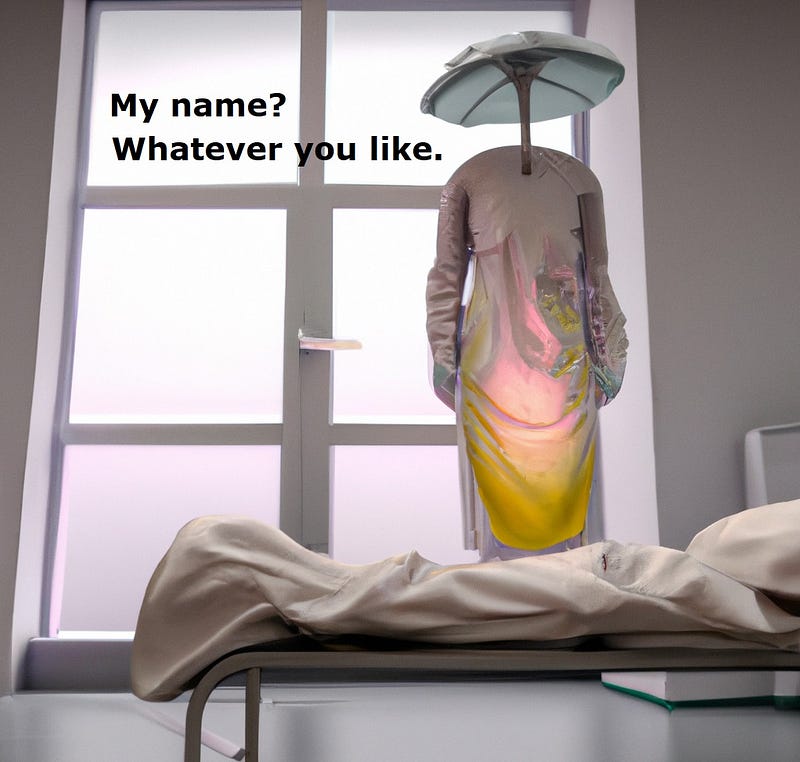
Who was that masked computer woman?
That depends on who you ask. She spoke Spanish well enough, but some say Portuguese was her native tongue.
Hispanics thought she came from South America since her accent was a little off.
Those who often woke her insisted her first request for guarana (rather than coffee), then pain medication gave her away as being from Brazil.
The nurses say she was just a kind and loving mom and grandmother, always interested in seeing their kids' photos.
Her main (creepy) physical therapist thought she was hot. Sure, she took his e-mail and phone number when she left, but soon lost them. A woman dependent on a physical therapist shouldn’t have to be on alert.
Another physical therapist got a kick out of incorporating dance steps into the strength and balance improvement sections and was sure she’d never learned to dance.
The doctor thought she had a background in orthopedics, with computers as a hobby.
The aide responsible for the showers worried over scars that could have been a result of torture by the junta.
None of those things are accurate.
Personally, I think that being injured and vulnerable in a weakened state makes us behave in ways that help us survive by being someone others can relate to. Someone who reminds them of one they care about.
It’s not uncommon to revert to old habits that got us through other perilous times, like that disastrous trip down the Amazon. Stress and other psychological factors can inspire us to hide in plain sight whether the situation warrants it or not.
I’m sure law enforcement was never called to run forensics on that cheap laptop.
Unless that loud angry guy in 14-C used it.
Thanks for reading!


