
Becoming An Ally — Part 3
ACT
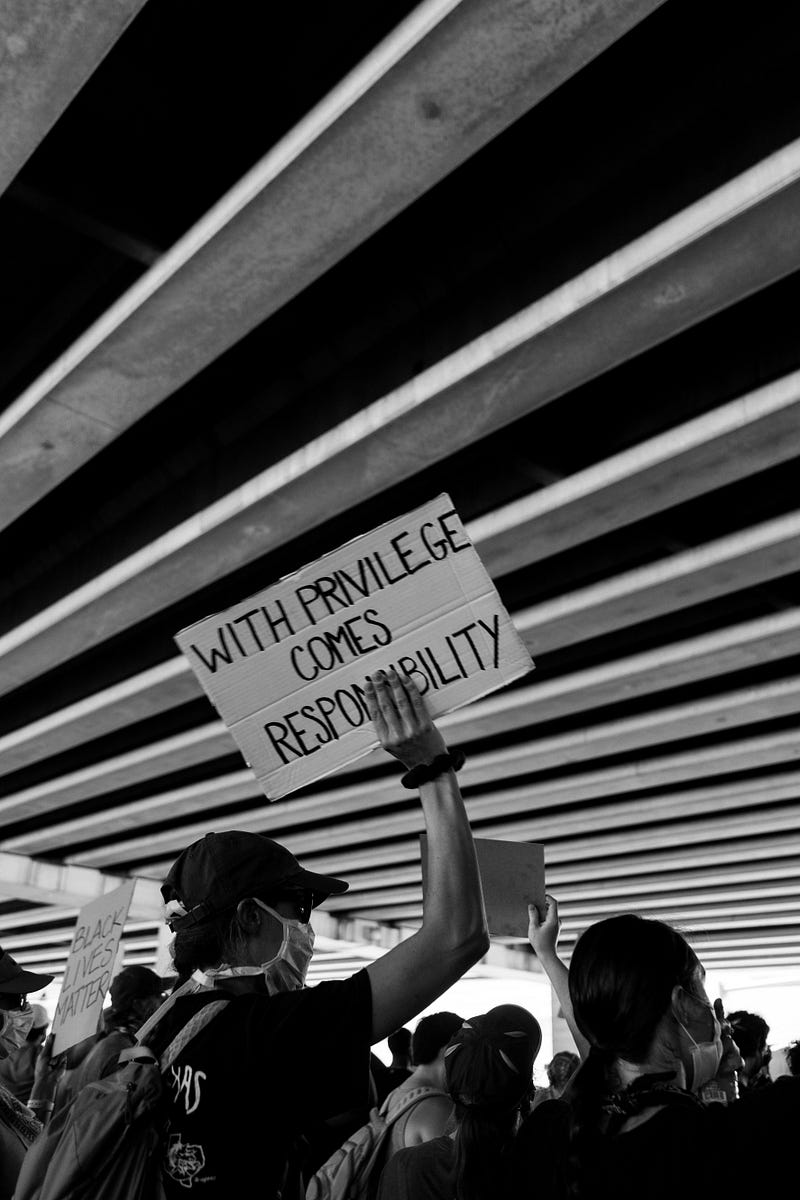
This is the third in a series of 4 articles about becoming an ally. In the second article, we talked about LEARNING as a first meaningful step. Let’s now talk about ACTIONS.
ACT
Learning is a good place to start, but it is never-ending and, at some point, one has to do something. As a white man who has become more sensitive to the issue and wants to do something about it, what can I do? The answer will vary for each, as this is a very personal journey. It is all too easy to make regretful mistakes or meaningless actions but we have to try and we can improve over time.
At this stage, I find that the best thing I can do is support Black voices, leaders, and associations.
Here are some associations that would welcome your donation and support:
Here are some writers you can follow on Medium (the description comes from their respective profile, when available, with occasionl minor edits for concision), in alphabetical order:
- Adrienne Samuels Gibbs: At Medium: Deputy Editor
- Ayodeji Awosika
- Barack Obama: Dad, husband, President, citizen.
- Bonsu Thompson: Writer, producer, Brooklynite and 2019 Sundance Screenwriters Lab fellow
- Carvell Wallace: Pro-black, pro-queer everything | he/him |The Sixth Man| i’m cut in half pretty bad
- Charlene Carruthers: Author, strategist and cultural worker
- Deborah L. Plummer, PhD: psychologist, author, and speaker on topics central to equity, inclusion, and how to turn us and them into we.
- Keith Nelson Jr.: Writer by fate, journalist by passion.
- Matthew Prince: Writer that’s trying to understand the world. Write about psychology, social justice and everything else.
- Michael Hunter MD: I have degrees from Harvard, Yale, and Penn. I am a radiation oncologist in the Seattle area.
- Michelle Elizabeth: MFA|Essayist| Author
- Rebecca Stevens A.: I write about racism, but there are so many other things I would like to write about instead. Help me dismantle racism so that I can get to that.
- Rejoice Denhere: Editor of Vital World Online
- Ron Dawson: Content marketer. Satirical author. Opinions my own & (mostly) correct.
- Samantha Divine: Writer and war survivor from Liberia, West Africa. Engages readers intellectually and emotionally.
- Shanel Pouatcha: GenZ Student interested in all things redefining humanity — Science|Tech|Startups|Pop Culture|Society
- Sharon Hurley Hall: Pro writer (B2B/B2C). Antiracism writer. Co-host: Introvert Sisters podcast. Global citizen. She/her.
- Steve QJ: mainly write about meditation, content creation and personal development.
- Tressie McMillan Cottom: Sociologist. Writer. Professor. MacArthur Fellow.
- William Spivey: Writer, poet, wannabe philosopher.
These are just a few of an ever-growing list of Black voices I have noticed along the way. The point is: there is no excuse for not hearing these voices. Listen, read, share messages around you, leverage the variety of perspectives to sharpen your understanding, provide your support appropriately.
Beyond these simple actions, we can keep our mind alert to identify new opportunities and ideas.
For example, I came across The Ally Nudge by Dr. Akilah Cadet, which is a simple and efficient way to learn how to become an ally through text messages in one month. Give it a try, share it around (and if you’re hesitant to try it because of its $5 fee, reach out to me, I’ll be happy to purchase a few)
Look around for opportunities in your community. For example, I found that my kids’ school district organized a virtual town hall with the local Black Parents Association. This was an opportunity to hear directly from Black parents about the challenges they face in our community and what we can do to address them.
Also, once you’re convinced that you want to become an ally, there’s the question of how to influence those around you who prefer to remain silent (if not defensive or worse). I do not believe in breaking up with or “canceling” those we do not agree with (unless it becomes toxic beyond repair). But I also do not believe I can change anybody’s mind. Real change comes from within. That’s why I prefer to talk about influence, finding ways to shift focus, to provide some guidance towards things that might help others to identify and reconsider preconceptions.
For instance, many people add a favorite quote to their email signature. How about using this space to promote social justice, something like:
— Racism in America: Learn and Act now! Learn about Racial Justice Talk to your kids about racism Be an ally Donate to Justice and Equality Fund
This goes out automatically to your email recipients, who may ignore it, but maybe not. It’s another simple way to highlight and spread the message across. If you have other ideas you like to share, please reach out to me or respond to this article with your suggestion.
I hope this article shows there are many ways, some of them very easy, to do something new, something different, to take you a little bit outside of your routine activities and contribute, in your own way, to social justice.
With persistence, maybe you and I can indeed become an ally. I am not an expert and I only recently started on this journey. This is not always easy or straightforward, and in the last article of this series, I will describe some of the main challenges I have faced so far.