avatarJerileewei

Free AI web copilot to create summaries, insights and extended knowledge, download it at here

3473

Abstract

orever endure.</p><p id="08fc">That poem as many of my poems began was simply to write what I was feeling at the depth of my being. No focus on rhyme schemes, no fixed poem form, no line or syllables in my usual free thought ramblings of words. Every poem I write has that beginning.</p><p id="6881">In my defense, I thought at the time, I was actually being concise, but way too short for wordy me to be satisfied with the original poem. But in today’s world of poetry, we’ve stepped back in time. It’s OK to time travel, for in that we find another kind of beauty.</p><figure id="fb04"><img src="https://cdn-images-1.readmedium.com/v2/resize:fit:800/0*6iFAvqfPBVljRG5-"><figcaption>Re-writing a poem in a different poem format can involved quite a lot of thought. — Photo by <a href="https://unsplash.com/@magnetme?utm_source=medium&amp;utm_medium=referral">Magnet.me</a> on <a href="https://unsplash.com?utm_source=medium&amp;utm_medium=referral">Unsplash</a></figcaption></figure><p id="d5c3">I’m referring to the beauty of stepping away from our busy world, and exploring what the poet’s of past age’s already knew — that it’s a whole lot of fun and a challenge to write poems in fixed poem forms. Doing so strengthens and teaches us as poets the beauty of starting from scratch and embracing old poem forms to stretch our poetic muscles.</p><p id="de48" type="7">Allegorical Garden Path That Leads To French Rondelet Poem Forms</p><p id="c9c0">Here on my allegorical poet writing path, I am reminded of the sweet conciseness of French Rondelet poem forms. The rules for them are simple:</p><ul><li>The poem must be seven lines long.</li><li>The first, third, and seventh lines must be the same, and they must be four syllables long.</li><li>The second, fourth, fifth, and sixth lines must be different, and they must be eight syllables long.</li><li>The rhyme scheme must be A, B, A, A, B, B, A.</li><li>The refrain lines (1,3, and 7) are usually four syllables long.</li><li>The other lines are eight syllables long.</li><li>They are typically written in iambic tetrameter (each line has four pairs of syllables, with the stress falling on the second syllable of each pair.</li></ul><figure id="961e"><img src="https://cdn-images-1.readmedium.com/v2/resize:fit:800/0*eluB-JiitjxyilER"><figcaption>Blank pages are souls waiting for life . — Photo by <a href="https://unsplash.com/@neonbrand?utm_source=medium&amp;utm_medium=referral">Kenny Eliason</a> on <a href="https://unsplash.com?utm_source=medium&amp;utm_medium=referral">Unsplash</a></figcaption></figure><p id="9e5d" type="7">Brief History Of French Rondelet Poems</p><p id="b79c">The first known poet to write a French Rondelet poem was <a href="https://en.wikipedia.org/wiki/Guillaume_de_Machaut">Guillaume de Machaut </a>(1300–1377), a French poet and composer of the late Middle Ages. Machaut is considered the father of the French Rondeau, and he wrote many poems in this form. His Rondelets are typically about love and courtly themes, and they are often playful and witty.</p><p id="8fae">However, as this poem form grew in popularity during the Renaissance and Baroque periods, the French Rondelet poem form went quite viral for the spoken word poets in the 14th century.</p><p id="3e38">If you are looking to experiment in planting some French Rondelet poems in your own poetic mental garden — you’ll find touring the poetic genius and inspiration of poems in this form written by:</p><p id="1273"><a

Options

href="https://en.wikipedia.org/wiki/Cl%C3%A9ment_Marot"><i>Clément Marot </i></a><i> <a href="https://en.wikipedia.org/wiki/Pierre_de_Ronsard">Pierre de Ronsard</a> John Donne Robert Herrick Théophile de Viau</i></p><figure id="507b"><img src="https://cdn-images-1.readmedium.com/v2/resize:fit:800/0*DFih_9Hy7yTfaOMJ"><figcaption>What will our souls find on the garden path you choose? — Photo by <a href="https://unsplash.com/@joeyguns?utm_source=medium&amp;utm_medium=referral">Joey Genovese</a> on <a href="https://unsplash.com?utm_source=medium&amp;utm_medium=referral">Unsplash</a></figcaption></figure><blockquote id="a469"><p>So here I will veer off onto my own French Rondelet poem path on the subject of the experience of beauty in its everlasting growth in our souls. This is my Rondelet Poem form version of the poem I originally wrote (above).</p></blockquote><p id="8281" type="7">What Can Our Souls See? — Rondelet Version — 2</p><blockquote id="fe60"><p>Beauty’s bloom In the soul it takes root, Like a fragile flower, Blest with imperishable power. Though beauty may fade, Or the beholder be swayed, The soul’s bloom will forever endure. — Jerilee Wei © 2023</p></blockquote><h2 id="6ef3">Author’s Note:</h2><ul><li>I shortened the lines to fit the Rondelet format, which requires seven lines with a rhyme scheme of A, B, A, A, B, B, A.</li><li>I changed some of the words and phrases to make them more concise and rhythmic.</li><li>I added a refrain line to reinforce the poem’s central message.</li></ul><blockquote id="e906"><p>“Tending my poetic garden is like weeding out extra words and adding the plant food called more rhythmic meter. It’s giving my verses a spring rainy day, where they can relax, rejuvenate, and come out looking beautiful, ready to wow the literary world with their own poetic glow and touch another’s soul.” — Jerilee Wei © 2023</p></blockquote><p id="b8a5"><b>PS</b> <i>In my typical nerdy wordy mind, I can only hope readers like one version or the other. I did enjoy getting out in the allegorical garden and exercising some brain muscles in trying out this poem form.</i></p><div id="97cc" class="link-block"> <a href="https://jerileeweiauthor.medium.com/subscribe"> <div> <div> <h2>Get an email whenever Jerileewei publishes.</h2> <div><h3>Get an email whenever Jerileewei publishes. By signing up, you will create a Medium account if you don't already have…</h3></div> <div><p>jerileeweiauthor.medium.com</p></div> </div> <div> <div style="background-image: url(https://miro.readmedium.com/v2/resize:fit:320/0*nvobgMIDdgztSt8I)"></div> </div> </div> </a> </div><div id="6b0a" class="link-block"> <a href="https://jerileeweiauthor.medium.com/list/77d42ff124c7"> <div> <div> <h2>French Form Poetry</h2> <div><h3>A Collection of Types of Poem Forms - From Jeu Parti to Sestina, to Chanson de Toile, to Chain, to Ballade, to Triolet…</h3></div> <div><p>jerileeweiauthor.medium.com</p></div> </div> <div> <div style="background-image: url(https://miro.readmedium.com/v2/resize:fit:320/0*cdf503db4d4c8354d082fdd743be2b22d024689f.jpeg)"></div> </div> </div> </a> </div></article></body>

Beauty’s Bloom In French Rondelet Consciousness

What Can Our Souls See?
Poems are meant to be written and rewritten — Photo by freestocks on Unsplash

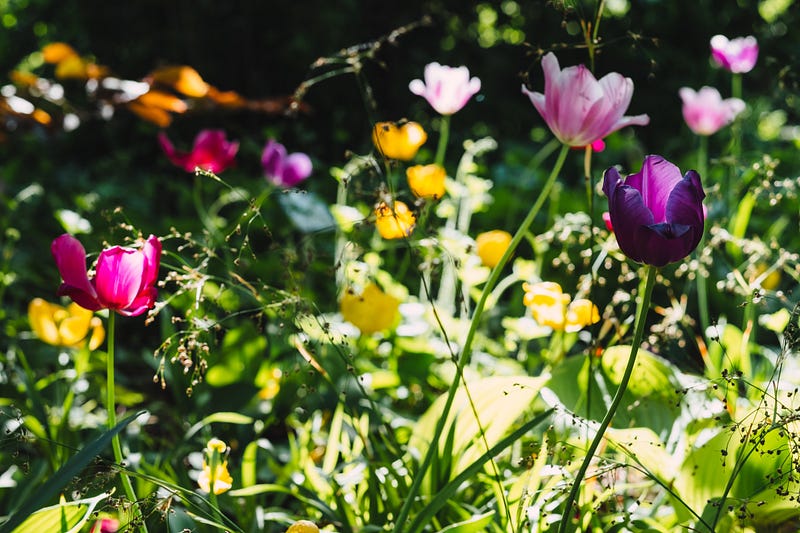
Normally too wordy me, finds me in the middle of deadheading the blossoms of some of my vault of poems I’ve written, but hadn’t gotten around to publishing. Deadheading in the garden is all about removing the spent blooms so that the plant can focus on producing new ones. In poetry, I find it’s a great way to rethink or re-spin a poem. Trimming away unnecessary words and phrases can often make the poem more powerful and impactful. Or not . . . So let’s take a little allegorical walk down another French poem form path on the subject of beauty.

As we wind down the blooms of this year’s garden season with hints of fall upon us, my thoughts turn to the fact that beauty is not just something that we see with our eyes, but something we experience in our souls.

When we encounter beauty it takes roots in our hearts and our minds. It’s in that snapshot moment it becomes part of who we are. Even though beauty may fade in the external world, the beauty we experience in our souls is imperishable.

If you let it, it is a source of strength and inspiration that will forever endure. We only have to look at any flower to find that. Flowers are fragile, but they are also resilient. They can withstand storms, droughts, and yet many will always return in the springtime.

Other kinds of beauty we also experience in our souls will be tested and challenged, but never completely extinguished. It is a part of us that is vital to our well-being.
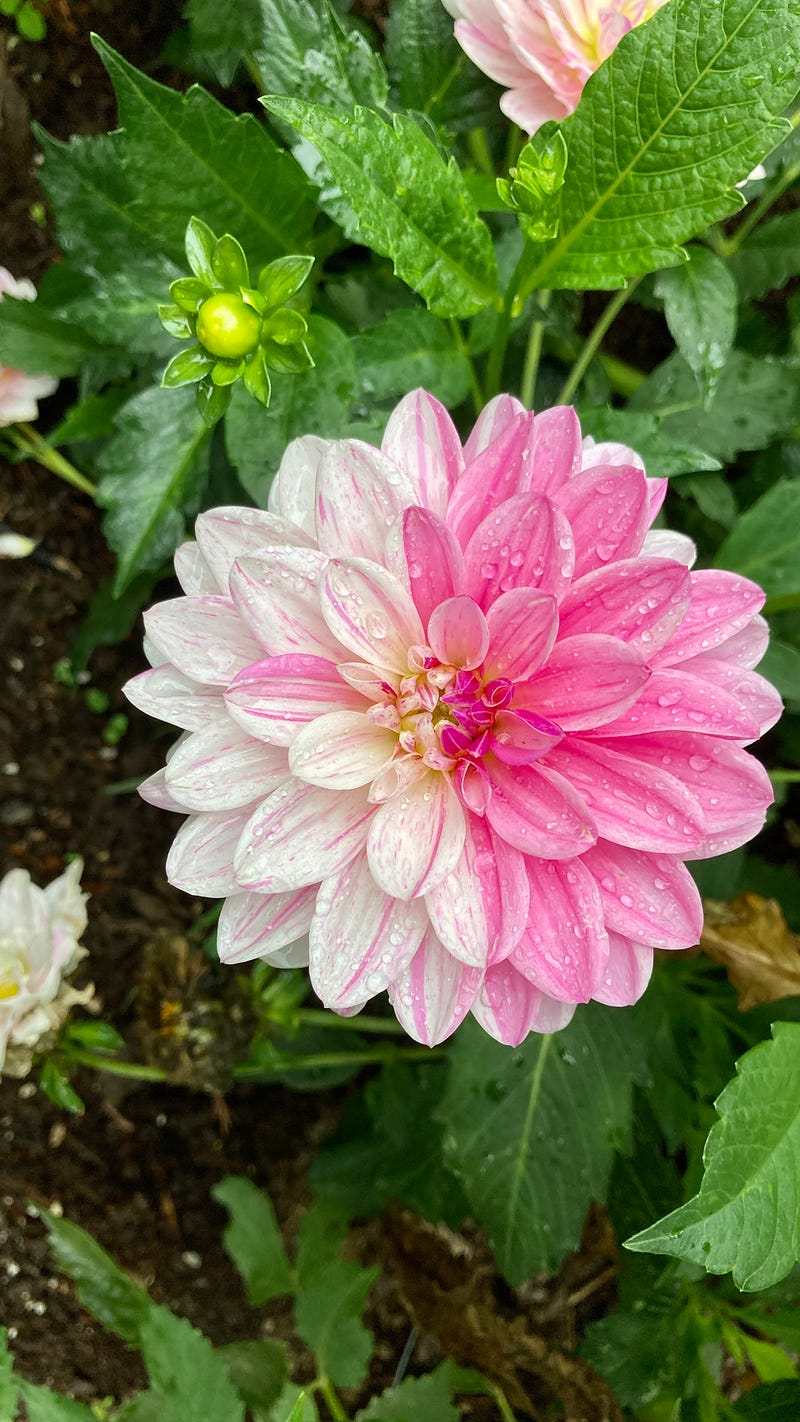
Zinnias have their own unique beauty and speak ancient poems about touching the souls around them. — Photo by Trenton Stevens on Unsplash

What Can Our Souls See? — Non-Rondelet Version 1

Something there is in eternal beauty Which grows in the soul of the beholder Like a breathtaking delicate flower – Fragile For many are the blights in which may waste the beauty Or the heart of the beholder And imperishable – For the beauty may die, Or the beholder may die, Or the world may die But the ever lasting soul In which the flower grows survives. — Jerilee Wei © 2023

Back when I wrote this first poem version my central message was intent on a reminder that beauty is a powerful force in our emotional and physical lives. It can enrich our experiences, inspire us to create, and give us hope in the face of adversity.

When we experience beauty, we are reminded time and time again of the things that the best that life has to offer. Even when beauty fades in the external world, the beauty we experience in our souls will forever endure.

That poem as many of my poems began was simply to write what I was feeling at the depth of my being. No focus on rhyme schemes, no fixed poem form, no line or syllables in my usual free thought ramblings of words. Every poem I write has that beginning.

In my defense, I thought at the time, I was actually being concise, but way too short for wordy me to be satisfied with the original poem. But in today’s world of poetry, we’ve stepped back in time. It’s OK to time travel, for in that we find another kind of beauty.

Re-writing a poem in a different poem format can involved quite a lot of thought. — Photo by Magnet.me on Unsplash

I’m referring to the beauty of stepping away from our busy world, and exploring what the poet’s of past age’s already knew — that it’s a whole lot of fun and a challenge to write poems in fixed poem forms. Doing so strengthens and teaches us as poets the beauty of starting from scratch and embracing old poem forms to stretch our poetic muscles.

Allegorical Garden Path That Leads To French Rondelet Poem Forms

Here on my allegorical poet writing path, I am reminded of the sweet conciseness of French Rondelet poem forms. The rules for them are simple:

  • The poem must be seven lines long.
  • The first, third, and seventh lines must be the same, and they must be four syllables long.
  • The second, fourth, fifth, and sixth lines must be different, and they must be eight syllables long.
  • The rhyme scheme must be A, B, A, A, B, B, A.
  • The refrain lines (1,3, and 7) are usually four syllables long.
  • The other lines are eight syllables long.
  • They are typically written in iambic tetrameter (each line has four pairs of syllables, with the stress falling on the second syllable of each pair.

Blank pages are souls waiting for life . — Photo by Kenny Eliason on Unsplash

Brief History Of French Rondelet Poems

The first known poet to write a French Rondelet poem was Guillaume de Machaut (1300–1377), a French poet and composer of the late Middle Ages. Machaut is considered the father of the French Rondeau, and he wrote many poems in this form. His Rondelets are typically about love and courtly themes, and they are often playful and witty.

However, as this poem form grew in popularity during the Renaissance and Baroque periods, the French Rondelet poem form went quite viral for the spoken word poets in the 14th century.

If you are looking to experiment in planting some French Rondelet poems in your own poetic mental garden — you’ll find touring the poetic genius and inspiration of poems in this form written by:

Clément Marot Pierre de Ronsard John Donne Robert Herrick Théophile de Viau

What will our souls find on the garden path you choose? — Photo by Joey Genovese on Unsplash

So here I will veer off onto my own French Rondelet poem path on the subject of the experience of beauty in its everlasting growth in our souls. This is my Rondelet Poem form version of the poem I originally wrote (above).

What Can Our Souls See? — Rondelet Version — 2

Beauty’s bloom In the soul it takes root, Like a fragile flower, Blest with imperishable power. Though beauty may fade, Or the beholder be swayed, The soul’s bloom will forever endure. — Jerilee Wei © 2023

Author’s Note:

  • I shortened the lines to fit the Rondelet format, which requires seven lines with a rhyme scheme of A, B, A, A, B, B, A.
  • I changed some of the words and phrases to make them more concise and rhythmic.
  • I added a refrain line to reinforce the poem’s central message.

“Tending my poetic garden is like weeding out extra words and adding the plant food called more rhythmic meter. It’s giving my verses a spring rainy day, where they can relax, rejuvenate, and come out looking beautiful, ready to wow the literary world with their own poetic glow and touch another’s soul.” — Jerilee Wei © 2023

PS In my typical nerdy wordy mind, I can only hope readers like one version or the other. I did enjoy getting out in the allegorical garden and exercising some brain muscles in trying out this poem form.

Poem
Poetry
Poetry Writing
Poetry In Form
Beauty
Recommended from ReadMedium