avatarA H Bracken

Free AI web copilot to create summaries, insights and extended knowledge, download it at here

1390

Abstract

we gaze upon (mostly young) people who have complexions that are incongruously smooth and in various shades of orange, eyes and teeth shine out in perfect whiteness, and brows are blackened and thick. The filtering is so heavy it becomes impossible to see the person underneath it all.</p><p id="ff54">And I imagine that’s the point.</p><p id="9e1b">In a world obsessed with perfection, being natural and showing ourselves as we are becomes harder. Speaking personally, I have freckles and a few laughter lines (okay, wrinkles!), and my eyebrows are a deeply unimpressive mousy brown. Nothing about my face would be judged worthy of an unfiltered snap by today’s standards.</p><p id="754a">And it’s so very sad (the situation, not my face).</p><p id="ac2e">Most of the young people who are hiding behind these filters are beautiful! The small details in our faces make us different, setting us apart from everyone else. Surely individuality is still important?</p><figure id="dfa8"><img src="https://cdn-images-1.readmedium.com/v2/resize:fit:800/0*vnlAbG9Vlo-0etYU.jpeg"><figcaption>An old image of a woman by <a href="https://pixabay.com/users/artsybee-462611/?utm_source=link-attribution&amp;utm_medium=referral&amp;utm_campaign=image&amp;utm_content=1077958">Oberholster Venita</a></figcaption></figure><p id="afd4">I guess it’s not the first time we’ve gone to extreme lengths to standar

Options

dize our appearance. Ladies used to cover their faces in thick white powder in the 1500s, and don’t even get me started on those awful wavy wigs that men wore in the 1600s and 1700s! Check out any portrait painted in these centuries; frankly, it’s hard to tell people apart. So the evidence seems to point at using tech to filter our images being the evolution of a human characteristic that’s endured through centuries.</p><p id="9c10">But even in the face of this epiphany, I can’t help but feel a little depressed. Surely, we have reached a point in human development where being ourselves is expected and increasingly celebrated? Young people are so much more accepting and open-hearted than previous generations. They have grown up in a world of seismic shifts in acceptance and embracing difference.</p><p id="9194">So why doesn’t this extend to themselves?</p><p id="cdff">I don’t have the answer. One voice isn’t loud enough to make any difference at all. But it feels important to say something, even if it doesn’t make a roar.</p><p id="a58e">Beauty is a warped concept in 2023. What makes us beautiful is who we are, not what we look like. Our souls shine out through bloodshot eyes and blemished skin, and our smile dazzles without bright white teeth.</p><p id="dcda">My greatest wish is that this could be as readily understood as how to filter it all away.</p></article></body>

Beauty in 2023: A Warped Concept

Hiding our imperfections has gone too far….
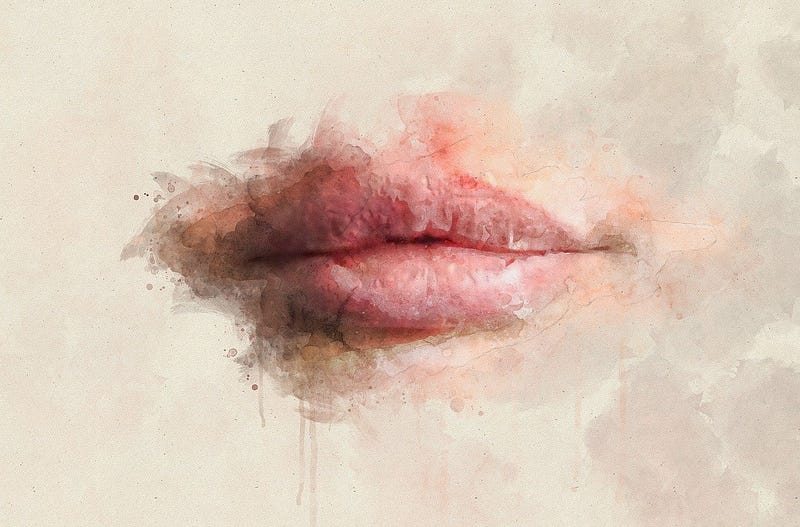
Image by Guilherme Gomes on Pixabay

Following the publication of my article on the importance of loving ourselves, I have been reflecting on one particular line:

The world we live in is primarily driven by celebrity and fame these days. As a result, images of young women look increasingly filtered as they embrace the trends and technology of the moment.

Over the last few months, I have been struck by the amount of filtering we now seem to accept. I’ve noticed that as news becomes more speculative and journalists hit up social media profiles for images of people involved in so-called stories, the photos themselves are heavily filtered. As a result, we gaze upon (mostly young) people who have complexions that are incongruously smooth and in various shades of orange, eyes and teeth shine out in perfect whiteness, and brows are blackened and thick. The filtering is so heavy it becomes impossible to see the person underneath it all.

And I imagine that’s the point.

In a world obsessed with perfection, being natural and showing ourselves as we are becomes harder. Speaking personally, I have freckles and a few laughter lines (okay, wrinkles!), and my eyebrows are a deeply unimpressive mousy brown. Nothing about my face would be judged worthy of an unfiltered snap by today’s standards.

And it’s so very sad (the situation, not my face).

Most of the young people who are hiding behind these filters are beautiful! The small details in our faces make us different, setting us apart from everyone else. Surely individuality is still important?
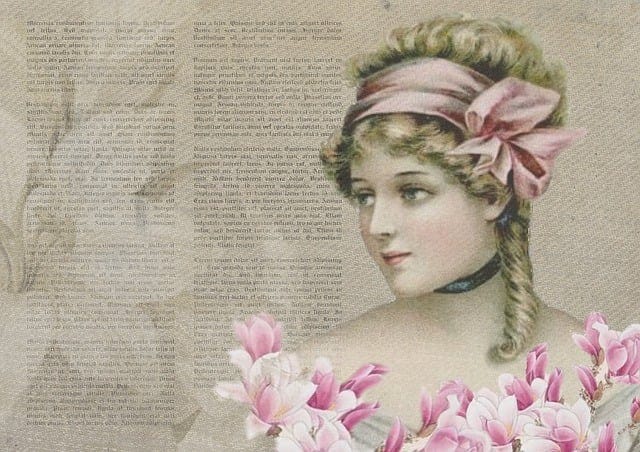
An old image of a woman by Oberholster Venita

I guess it’s not the first time we’ve gone to extreme lengths to standardize our appearance. Ladies used to cover their faces in thick white powder in the 1500s, and don’t even get me started on those awful wavy wigs that men wore in the 1600s and 1700s! Check out any portrait painted in these centuries; frankly, it’s hard to tell people apart. So the evidence seems to point at using tech to filter our images being the evolution of a human characteristic that’s endured through centuries.

But even in the face of this epiphany, I can’t help but feel a little depressed. Surely, we have reached a point in human development where being ourselves is expected and increasingly celebrated? Young people are so much more accepting and open-hearted than previous generations. They have grown up in a world of seismic shifts in acceptance and embracing difference.

So why doesn’t this extend to themselves?

I don’t have the answer. One voice isn’t loud enough to make any difference at all. But it feels important to say something, even if it doesn’t make a roar.

Beauty is a warped concept in 2023. What makes us beautiful is who we are, not what we look like. Our souls shine out through bloodshot eyes and blemished skin, and our smile dazzles without bright white teeth.

My greatest wish is that this could be as readily understood as how to filter it all away.

Beauty
Self
Self Improvement
Life Lessons
Self-awareness
Recommended from ReadMedium