Summary
The text is a poetic reflection on the paradoxical nature of beauty, which is both revered and feared for its power to evoke intense emotions and its seemingly unattainable standard that can lead to pain and loss.
Abstract
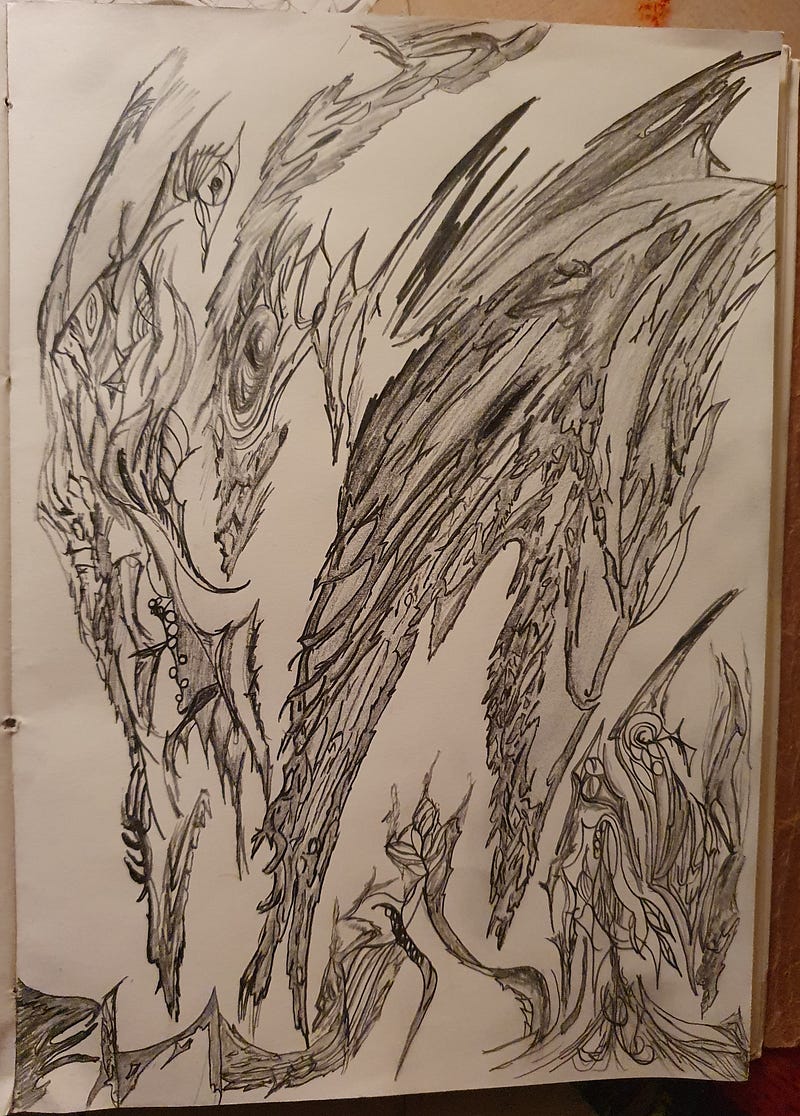
The author expresses a complex relationship with beauty, acknowledging a deep-seated fear of its impact. Beauty is depicted as an almost divine force, capable of inflicting pain, fear, and misery, yet it is worshipped and held in the highest regard. The pursuit of beauty is portrayed as a perilous endeavor that can result in the loss of one's essence or "hue." The text suggests that the all-consuming nature of beauty can overshadow individual identity and that the speaker feels overwhelmed by the mere presence of beauty, symbolized by a voice that shakes their world and a scent that incites rage. The author questions how a mere mortal can withstand the overwhelming merits of beauty, and how their own creations, described as twisted abominations, can ever compare to the wonders that beauty effortlessly produces.
Opinions
- Beauty is paradoxically both a source of pain and a revered ideal.
- The author feels that the pursuit of beauty can lead to a loss of self.
- Beauty's overwhelming presence can obscure individual dreams and aspirations.
- There is a sense of inadequacy in the author's own abilities compared to the natural grace of beauty.
- The text conveys a profound respect for beauty, despite its potentially destructive influence.
- The author implies that beauty is beyond the scope of mortal understanding and description.