high wondrous clouds in the sky, prompt:
Beautiful Clouds Speak to Me, Ever Shifting, Never Still
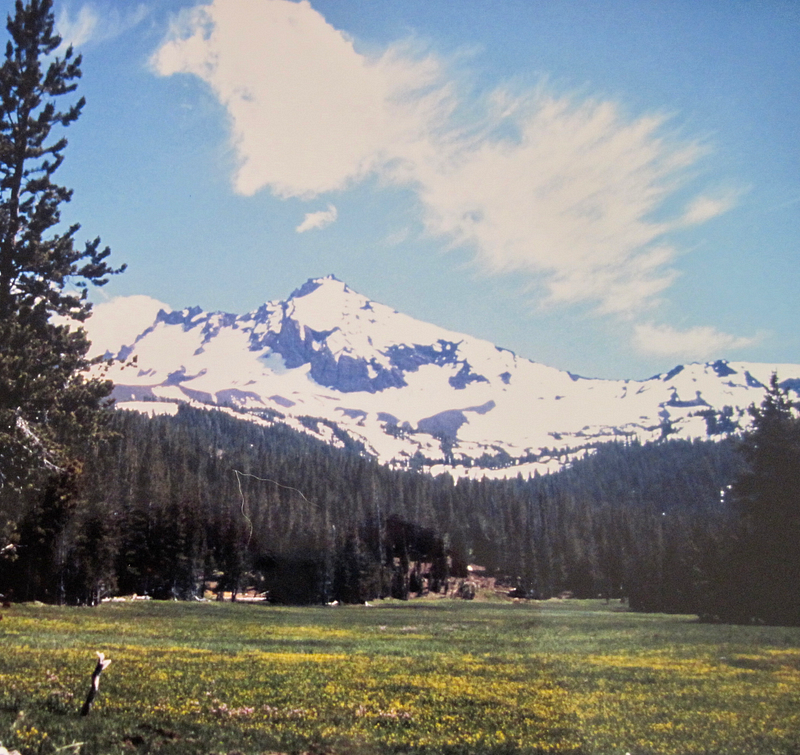
I love to see clouds in the sky. They’re never the same. No two formations are alike. Water droplets or ice crystals give them shape. They’re white because the sun’s rays are white. If they’re gray or darker in color, it means they’re saturated. Take cover before they release their burden as rain.
Where does the moisture come from? Water evaporates into the atmosphere from any body of water. As warm, moist air cools, it condenses and forms clouds. In time this moisture falls back to earth as rain or snow. Air currents and the earth’s rotation cause the clouds to move.

When I’m hiking, backpacking or climbing mountains, I watch the sky and clouds closely. They are indicators of what weather to expect.
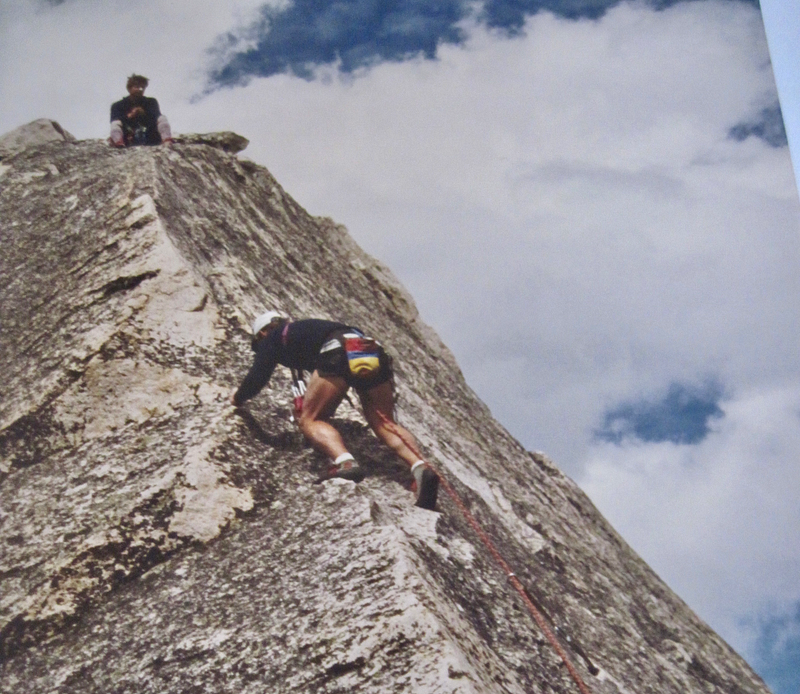
Cirrus clouds look like horses’ tails or feathers. They mean that rain or storms may appear in a day or two.
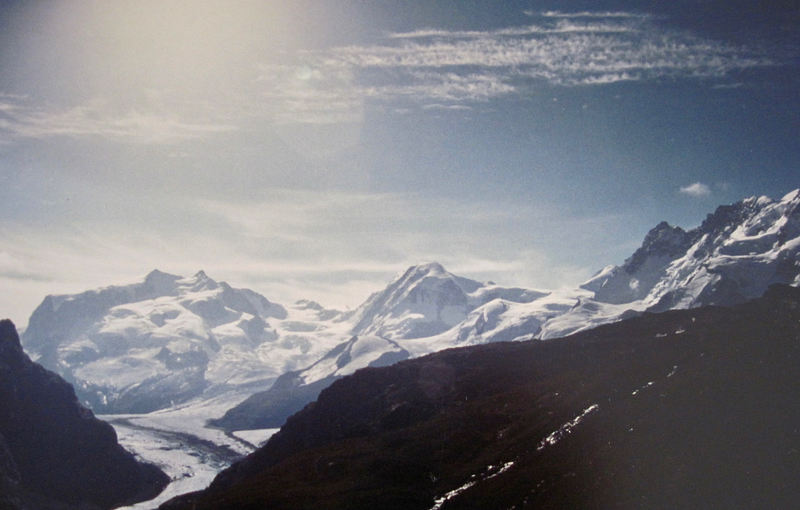
Cumulus clouds are puffy like cauliflower heads or cotton candy. They mean fair weather. I often see animal shapes in them. These are my favorite type of clouds.
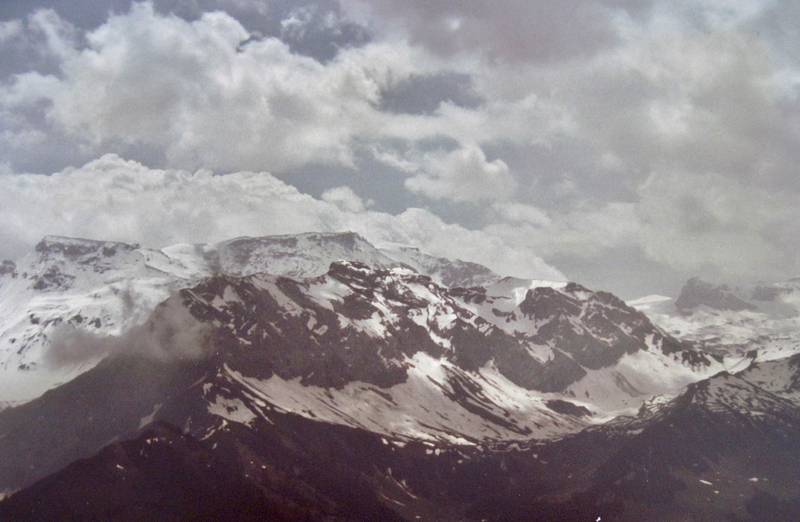
Altostratus clouds are dark and menacing. A storm is coming.
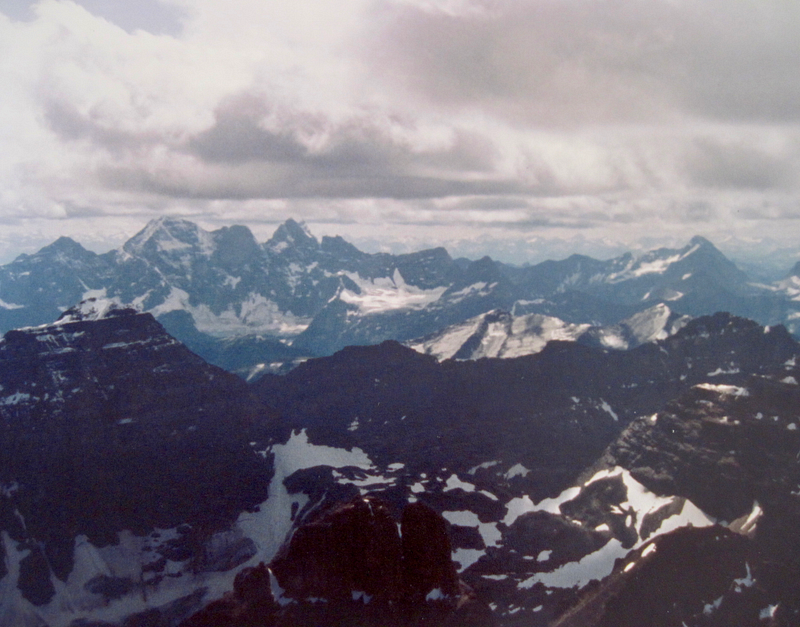
Stratus clouds are low level and white or gray, like a blanket in the sky. The weather can be fair but gloomy. They may bring a short period of drizzly weather.
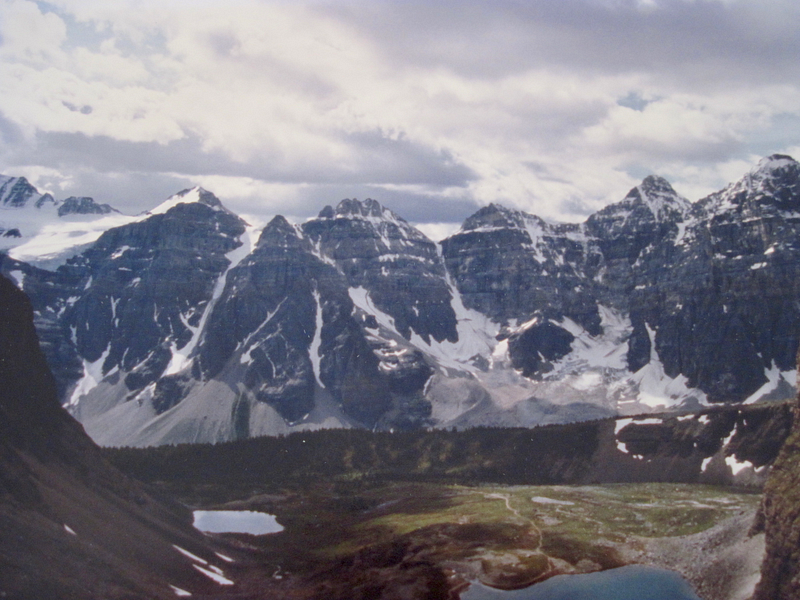
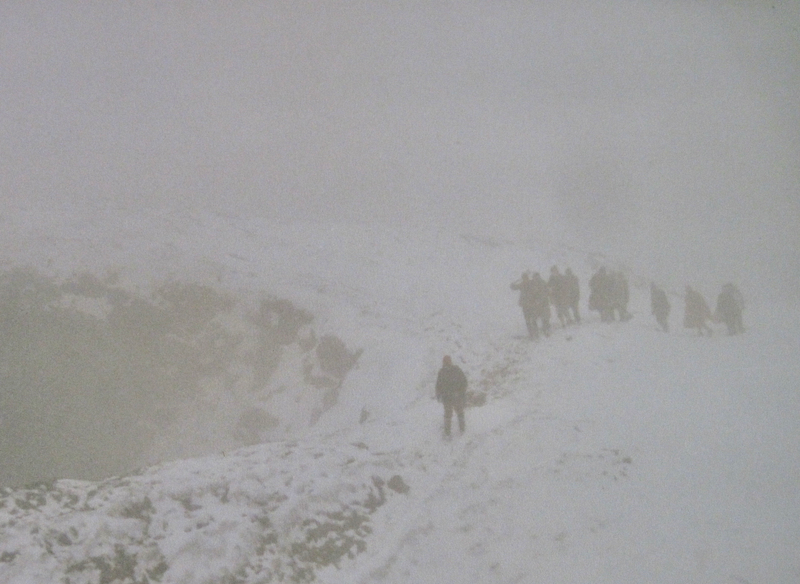
Stratus clouds near the ground can form fog. They block the sun and can hang around for days.
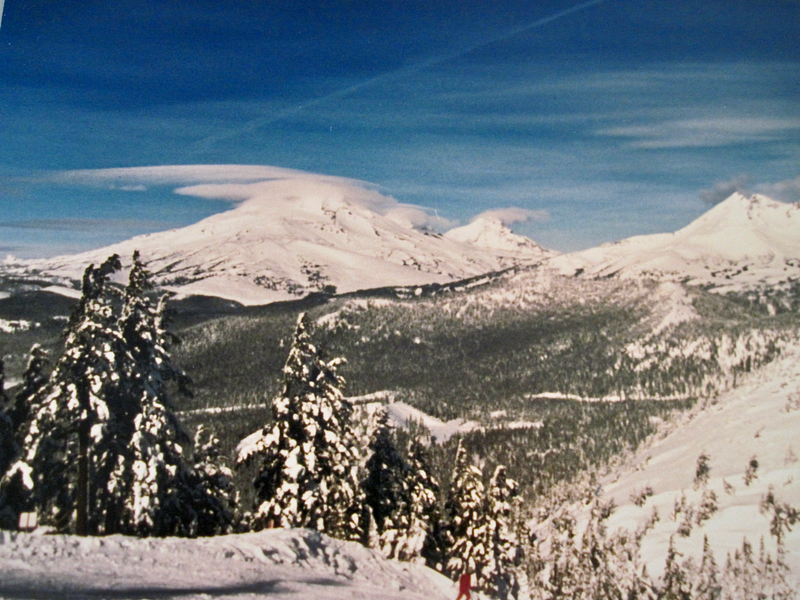
Lenticular clouds look like round plates hovering over the tops of mountains. It means the presence of high-force winds under them. Mountaineers don’t like to see this. They will change their climbing plans for the day. The risk is too great.
A halo around the sun or moon often means unsettled weather. It indicates there is a lot of moisture in the air. I’m sure you have noticed this curiosity in your life.
Fog forms when the air is full of moisture. Radiation fog happens after the calm, clear conditions of recent rain. It is sometimes known as ground or valley fog.
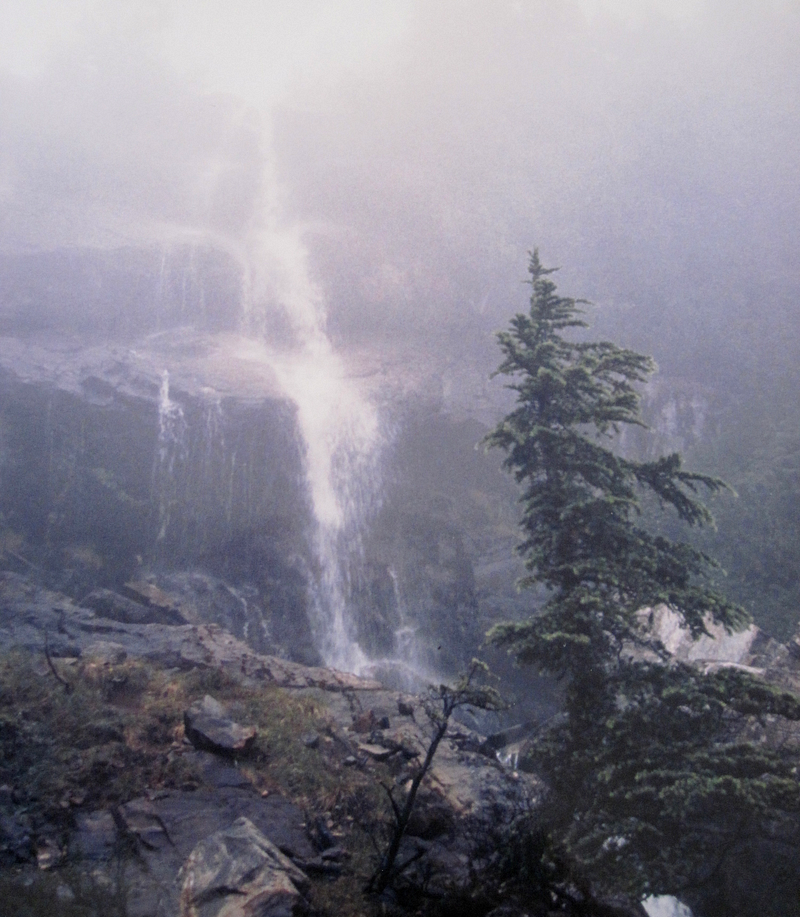
Evaporation fog occurs when colder air moves over warm water. This phenomenon is thicker in low places. Creeks, waterways, and river valleys increase moisture in the air. The cold, snow-covered ground will produce this effect as warmer air moves in.
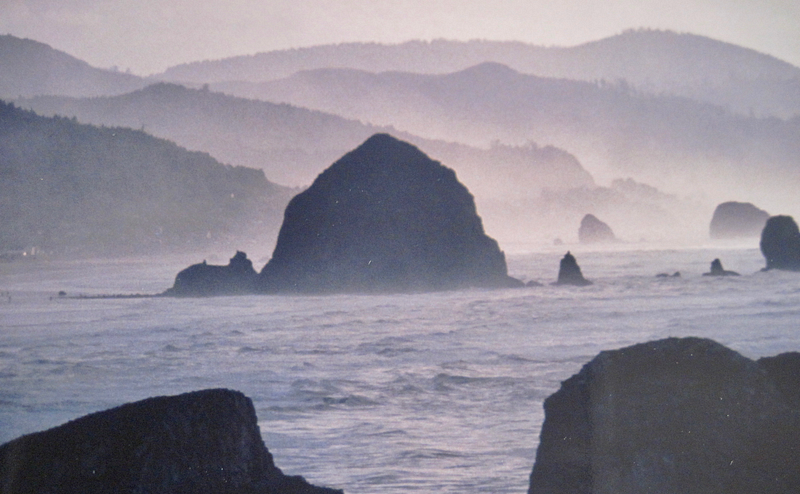
Fog will break up as daylight gets stronger. Some people refer to this as “burning off”. When the sun rises, it warms the ground and the temperature of the air. This causes fog droplets to evaporate into gaseous vapor again.
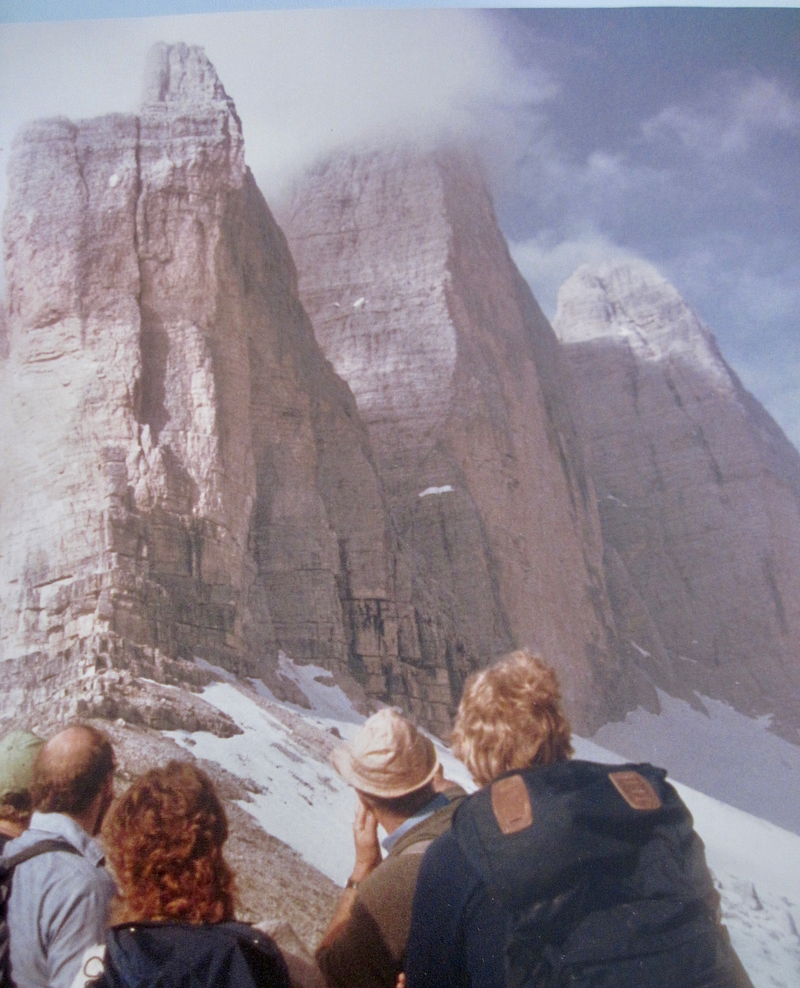
May your trails be crooked, winding, lonesome, dangerous, leading to the most amazing view. May your mountains rise into and above the clouds. Edward Abbey
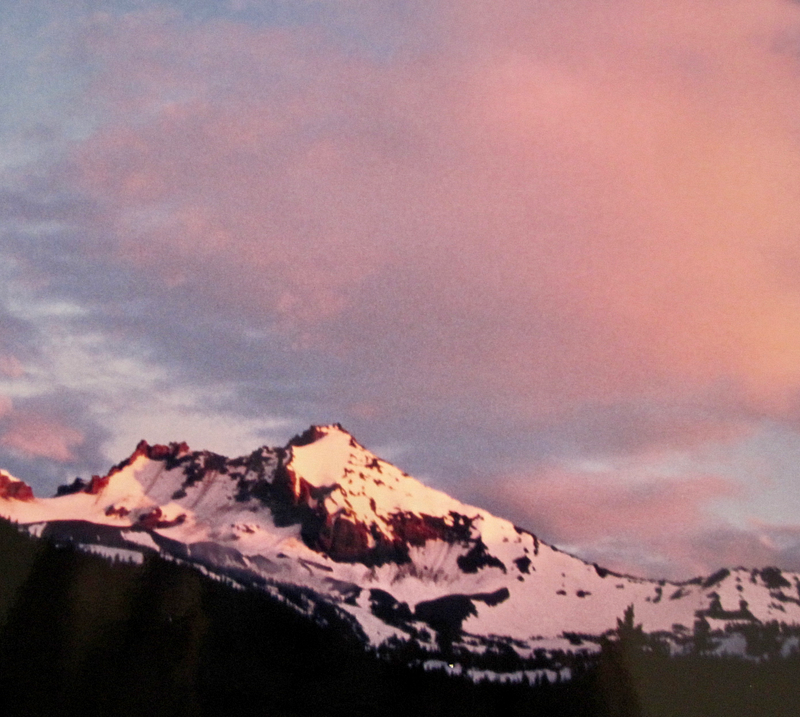
The ground we walk on, the plants and creatures, the clouds above constantly dissolving into new formations — each gift of nature possessing its own radiant energy, bound together by cosmic harmony. Ruth Bernhard
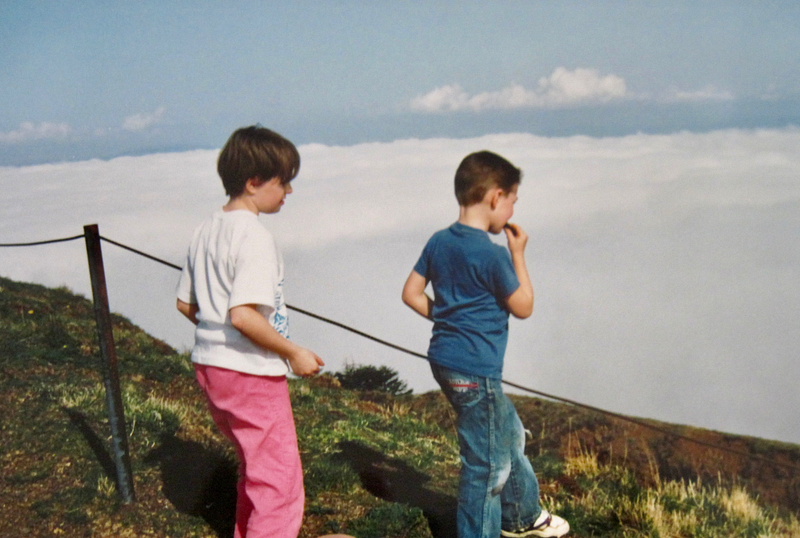
Hope you’ve enjoyed my mountain photo essay and learned something about various cloud formations.
This article was written in response to the prompt “Wondrous clouds in the sky” by Dr Preeti Singh on Reciprocal.
I recommend reading the following posts by fellow nature writers.
Dr. Preeti Singh writes that clouds add beauty to the sky. I definitely agree with her. She also knows that clouds can promise dark times that end with refreshing rain.
Elder Taoist writes an inspiring piece using mainly pictures to tell the story. His example prompted me to do the same with my cloud pictures.
Mia Verita writes about her week in photos accompanied by her delightful narrative. Another example of what a writer can do pairing pictures with words.


