
Beach Trash Blues
Bali is beautiful, except for the marine debris on the beaches
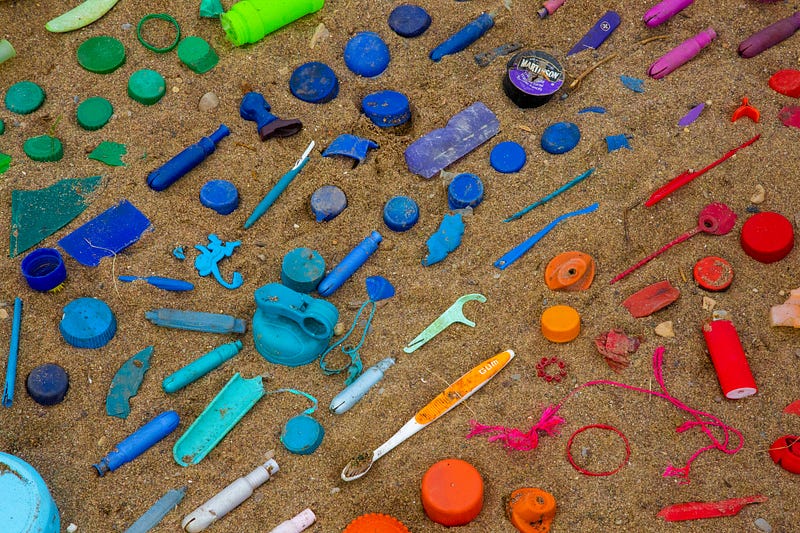
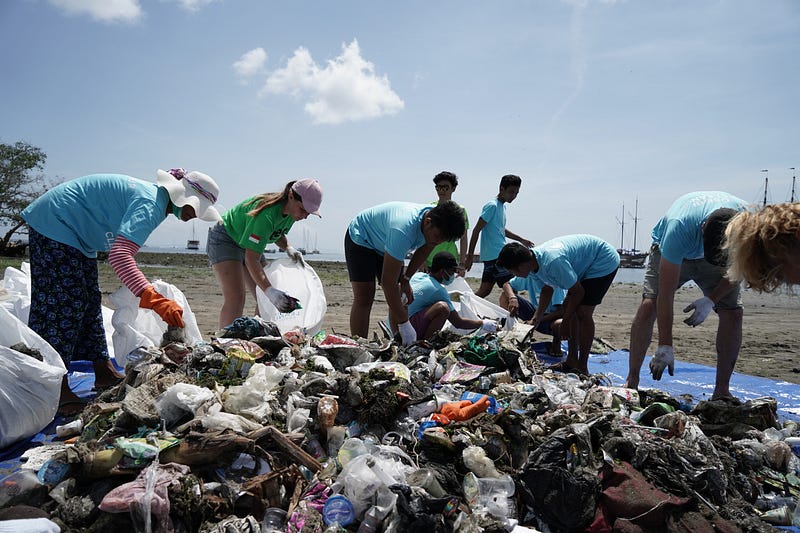
Almost every morning, at dawn, I jog 2 kilometers along the beach in Canggu, Bali. Then I walk back near the waves, picking up plastic trash that’s washed ashore or been left by others visiting the beach. I started out bringing a plastic carry bag with me, but I always filled it before I had even returned to the half-way point, so I started bringing larger bags that reach the ground when I carry them, and I still easily fill them. (If there’s any room left in the bag at the end of my walk, I go to the high-tide mark and fill the rest within 3 steps.)
It’s easier to blame the litter on tourists, but there are very few outsiders here now. Some garbage floats in from nearby countries such as Malaysia and Thailand but, unfortunately, Indonesia is the second largest contributor of marine debris after China, producing over a million metric tons a year (per News.com.au). It got so bad in Bali that in 2018 the government declared a “garbage emergency,” and removed 100 tons of trash off the beaches.
Balinese people lovingly place flower offerings everywhere, every day, but some people don’t really think about the after-effects of their offerings. Traditional offerings are made with bamboo, leaves, flowers, a bit of banana and an incense stick. Modern people often add cigarettes and little one-bite candies, always covered with plastic or foil. These beautiful offerings are always set around the home, and sometimes also are set on the beach so the tide can carry them away, and later wash them back ashore. Then I pick up the tiny wrapped candies.
I don’t like to touch cigarettes, but there’s another lady who does her daily beachcombing with a beer bottle and puts the cigarettes she finds into that. She says it’s her form of meditation. Another person collects flip-flops and plastic toothbrushes off the beach to make recycled art.
There are beach crews that come along every day and make piles of trash, then burn them. I know how harmful the smoke from burning plastic can be, so I choose to collect only plastic and leave behind the rest that’s safe to burn. There are always plenty of plastic bottles, plastic straws, plastic bottle caps, Styrofoam containers and, oddly, toothpaste tubes. Sometimes there are baby diapers and plastic syringes.
One time, a wave deposited a perfectly curved row of tiny white balls, so pretty. I thought they might be tiny white shells, but they were just the tiniest parts of a Styrofoam container that had broken apart.
Microplastic is a big problem and needs its own article, so that’s for later.
Right now, I’m just grateful that I get to shelter from the pandemic in this beautiful place with these warm-hearted people.
When I jog out in the mornings when the tide is coming in, there’s trash every 15 steps or so. When I look back as I leave the beach, it seems almost pristine. That’s my way to say, “Thank you, Bali.”
Here are two more upbeat stories about Bali: