
Battling Bullying With Beats: The Undervalued Power of Music in Schools
Music doesn’t have to be an overlooked ally anymore
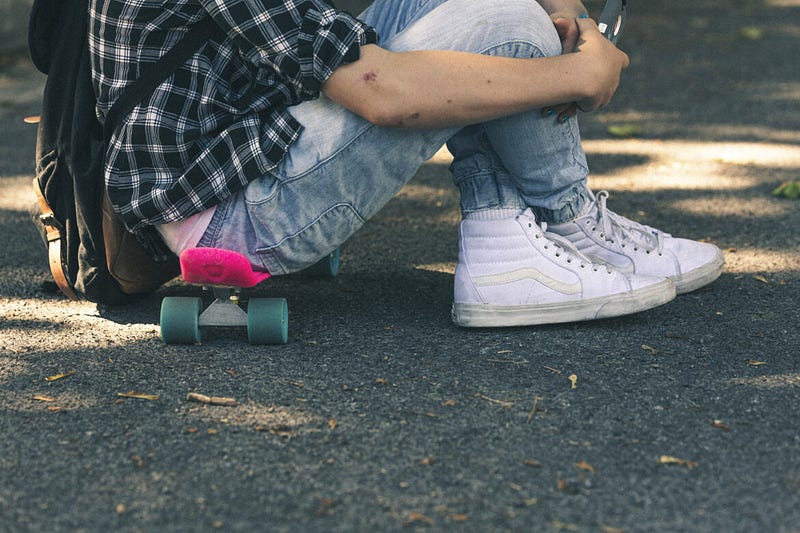
Bullying isn’t just a problem; it’s an epidemic.
It’s not just kids being kids. It’s an issue that can have long-lasting, devastating consequences for our young generation. It erodes self-esteem, causes anxiety, and can even lead to depression.
One out of every five (20.2%) students says they’ve been bullied at school in the U.S. In most countries around the world, it’s the leading health problem among teenagers.
We can’t just sweep it under the rug.
So what can we do about it?
There are many steps we can take like creating a culture of inclusivity and empathy in schools, educating kids about the harmful effects of this behavior, and leading by example among grown-ups.
But there’s one crucial factor we may not have given enough thought to or perhaps have underestimated: music. It’s a potent ally in the battle against bullying, and it’s astonishing how it’s often overlooked, given that teenagers shape their identities through music. Most (82%) listen to it daily for an average of 2.5 hours, far more than watching online videos (69%) or going on social media (63%).
Given its significant influence on their lives, let’s see how we can effectively address bullying through music.
Unmasking its forms and detecting the signs
Before delving into how music can help with this problem, let’s make sure we’re on the same page. If you know already, congrats! Skip to the next section right away.
Bullying is when one person repeatedly hurts, threatens, or intimidates another one on purpose. Usually, the intention is to gain power or control over them. It can take many forms, such as physical, verbal, or online harassment.
Imagine a student named Sarah at school. Every day, a classmate named Mark calls her mean names, spreads rumors about her, and even pushes her around on the playground. This happens over a long period, and Sarah starts to feel scared, upset, and helpless. This behavior by Mark is a clear example of bullying.
But it’s not always that easy to spot.
It can hide behind closed doors, in the digital realm, under the disguise of jokes and sarcasm, or spreading hurtful gossip behind someone’s back.
So how do we detect it before it’s too late?
- Power asymmetry: it often involves a power imbalance, where one person holds more influence, physical strength, or social status over the victim.
- Repetitive behavior: typically there’s a pattern and it’s not just an isolated incident. It happens over time, making it different from occasional conflicts.
- Verbal and non-verbal aggression: it shows through hurtful words, insults, and name-calling, but also non-verbal actions like exclusion, spreading rumors, or gestures.
- Changes in behavior: victims can change over timelike becoming withdrawn, anxious, or showing worse grades than before.
So pay attention to these signs and try to communicate as openly as you can with teenagers to address it as soon as possible.
A soothing tune and a striking symphony
Music is absolutely critical in the formation of a teenager’s identity both on a social and emotional level.
It’s like a compass guiding them through the turbulent waters of adolescence. It’s not just about catchy tunes; it’s about self-discovery, expression, and finding their place in this world. Music gives them a sense of who they are and where they belong. It’s the soundtrack to their journey of selfhood, and it matters more than you might think.
The calming effect of music during recess
In a 2013 pilot study, researchers investigated the use of calming background music during unsupervised recess at an Israeli elementary school to reduce bullying. Calming yoga-inspired tracks from “The Spirit of Yoga”, were unleashed during recess across the school on 56 sixth-grade students ages ranging from 11 to 12 years. Each track had a meditative drone accompanied by subtle melodies and soundscapes with a strong Indian vibe.
After each week’s grand recess experiment, the researchers would collect surveys from the children on bullying instances (direct and indirect situations) and their arousal levels (rating their tension, anxiety or fear, and stress levels).
So what did they find?
- Total bullying scores, including direct and indirect bullying, significantly dropped when the music graced the recess period.
- The kids felt less tension, anxiety, and stress and even reported enjoying recess more.
- However, when the music was unplugged in week three, bullying frequencies crept back up and they remained higher than the initial baseline. Arousal levels, however, returned to baseline, showing that music’s calming magic isn’t something that sticks around forever.
The findings reveal music can foster a more positive and serene school environment but it’s not the magic ingredient that will vanquish bullying from schools.
Music against school violence
In a more recent endeavor, a 2020 study at the University of Granada wanted to see how music could be used to improve the fight against violence in schools, specifically in two schools in Spain.
Researchers taught 200 adolescents, aged 11 to 14, to perform a piece called “La Vida es Bella” (“Life is Beautiful”) using musical instruments like xylophones, glockenspiels, and recorders. Through music, students learned to manage their emotions, respect each other, and foster teamwork.
The kids also had heart-to-heart talks about human values, lasting about an hour and a half, where they opened up sharing their experiences with bullying.
What did they find?
- After the musical intervention which lasted about 4 months, researchers saw a dip in bullying, especially in the cyberbullying department.
- There was a significant decrease in the average score for aggressive behaviors compared to before the intervention.
- The amount of victims shrank in the two schools and fewer kids witnessed cyberbullying after that.
- Traditional bullying, though, didn’t change much.
This study shows that music can be beneficial in addressing bullying but is more effective when used alongside other interventions.
A beat of empowerment with hip-hop
What if we haven’t found the most effective music to combat school violence? Previous studies concentrated on genres that may not resonate with children.
But what about harnessing the power of hip-hop?
Hip-hop is socially accepted among teens. It’s not just about beats and lyrics; it’s about identity. When you’re into hip-hop, you’re part of a tribe, and that brings a social reputation. It’s a vibe of going against the norms and rebelling creatively.
And there’s also the power of rhymes. Hip-hop is all about expressing emotions. There’s no better way to do it than through cleverly crafted rhymes. It’s like poetry with attitude. When these kids can channel their emotions into rhymes, it’s not just therapeutic; it’s empowering.
The lyrics speak about this empowerment. Hip-hop often carries messages of resilience, of overcoming obstacles, of turning challenges into opportunities. It’s a mentor in a beat, teaching kids to rise above and be the best version of themselves.
Hip-hop in Chilean schools
My friend Eduardo has successfully carried out hip-hop workshops for years in low-income schools in Santiago and its outskirts (Chile). As a masterful rapper himself, he helps kids write their rhymes, and enable a creative space that they would otherwise never get. These music workshops have also proved to be an effective educational tool to promote courses discussed at school and innovatively teach subjects.
Another one of his rap projects involved producing an album titled “Semi-Tango,” which showcased the talents of underprivileged young individuals living in one of these youth centers that exist across Chile.
Music enabled these marginalized teens to explore their identities, express themselves, and realize that their voices matter to others. He has helped kids find solace in music instead of turning them towards delinquency and transform those negative emotions into creative and powerful songs.
Eduardo’s work with young people in Chile has yielded incredible results, but it remains a rare practice in schools. There’s a valuable but underutilized tool here, and by sharing these experiences, we can encourage more institutions to embrace it.
While similar initiatives exist worldwide, we need academic studies to delve into the significant impact music has on students. We have to showcase music’s power from all angles for the sake of our youth.
Final thoughts
The battle against bullying is an urgent one and it requires all the support we can get. We shouldn’t underestimate any resource that can help mitigate this crisis and here’s where music comes into play.
Music might seem like an unlikely warrior in this fight, but it’s proven to be a formidable ally. It’s more than just entertainment for teenagers. It’s a guiding force during this challenging journey of adolescence, offering them a means of self-expression and a sense of belonging.
The outcomes of various studies, like the Israeli recess experiment and the Spanish musical intervention, highlight music’s potential to reduce aggression, cultivate empathy, and improve the overall school atmosphere. But we need more studies on this and with a variety of musical expressions like hip-hop.
By exploring this tool further, we can strive for a future where bullying is no longer an epidemic, but rather a challenge that we’ve successfully overcome for the sake of our youth.
Want to learn more about the sound verse?
Join my newsletter to explore everything related to music and sound, from the effects on our psyche to the technologies that use sound to improve our lives.