
Battle of the Digital Assistants:
Siri vs Google Assistant vs Alexa
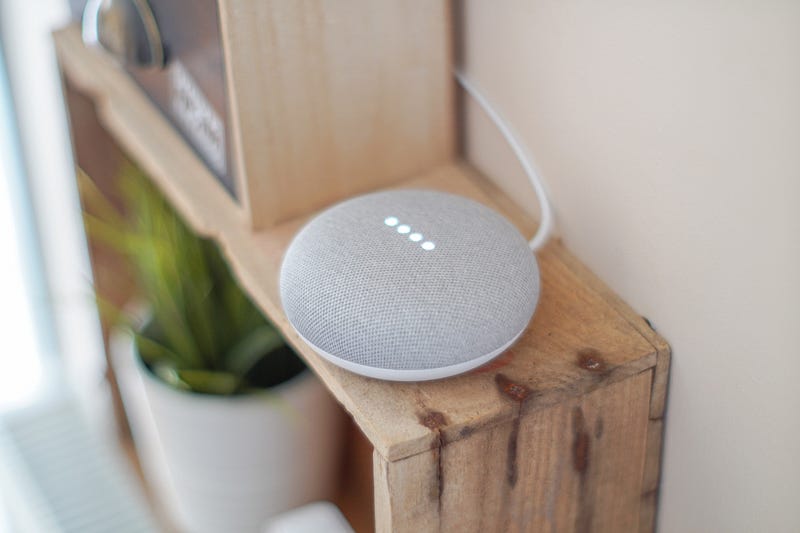
Digital assistants have become an integral part of our daily lives. From setting alarms to ordering groceries, these virtual assistants help us stay organized and productive. But with so many options on the market, it can be challenging to determine which one is the best fit for our needs. In this article, we will compare three of the most popular digital assistants — Siri by Apple, Google Assistant, and Amazon’s Alexa — to find out which one is the most useful.
Siri
Siri, the first digital assistant to hit the market back in 2011, has undergone significant upgrades over the years. Siri offers a variety of features, such as seamless integration with Apple devices and services, including Siri Shortcuts for custom voice commands, and compatibility with smart home devices through the Home app. Siri can also perform various tasks like scheduling appointments, setting reminders, and sending messages.
One of Siri’s strengths is its integration with the Apple ecosystem. Siri is an excellent productivity tool that can create reminders, send messages, and make phone calls. However, Siri’s voice recognition can sometimes lag behind, which can lead to misinterpretation of commands.
Google Assistant
Google Assistant has quickly gained popularity among users for its extensive capabilities. It can answer questions, set filters for explicit content, and make reservations, among other features. One of the strengths of Google Assistant is its seamless integration with third-party apps like Spotify and PayPal. Google Assistant can also detect and differentiate between users’ voices, providing a more personalized experience.
Google Assistant’s natural language processing abilities are exceptional, and it can accurately interpret voice commands. However, Google Assistant’s weakness lies in its skills database, where some skills may not work correctly or even at all.
Alexa
Alexa is Amazon’s digital assistant that powers its smart speaker devices. Alexa is known for its broad skills database, which allows users to control a variety of smart home devices, including Philips Hue and Nest Thermostats. Alexa’s voice recognition capabilities are also impressive, thanks to the seven-microphone system installed on Amazon Echo devices.
Alexa’s weakness is that it can have a delay in its response time, which can be frustrating for some users. While there are many skills available, it can be challenging to remember the specific commands necessary for each skill.
The digital assistant you choose depends on your personal preferences and the devices and services you use. Siri is great for those seeking a productivity tool that integrates with Apple devices and services. Google Assistant is ideal for those in need of an all-in-one assistant that can handle various tasks and has seamless third-party app integration. Meanwhile, Alexa is best for those looking to automate their home and control smart home devices.
Digital assistants have come a long way, and it is exciting to see how they will evolve with advancements in natural language processing, AI, and voice recognition technologies. As quoted by a researcher, “These systems are very much complementary to human intelligence…they offer possibilities for supporting people with cognitive impairments and potentially enhancing human performance in other areas.”
So, whether you are an Apple, Google, or Amazon user, there is a digital assistant out there that can help you accomplish your tasks and make your life easier.