
Bark Beetle Scourge in Utah
What’s causing it and what can we do?
Ghostly Forests
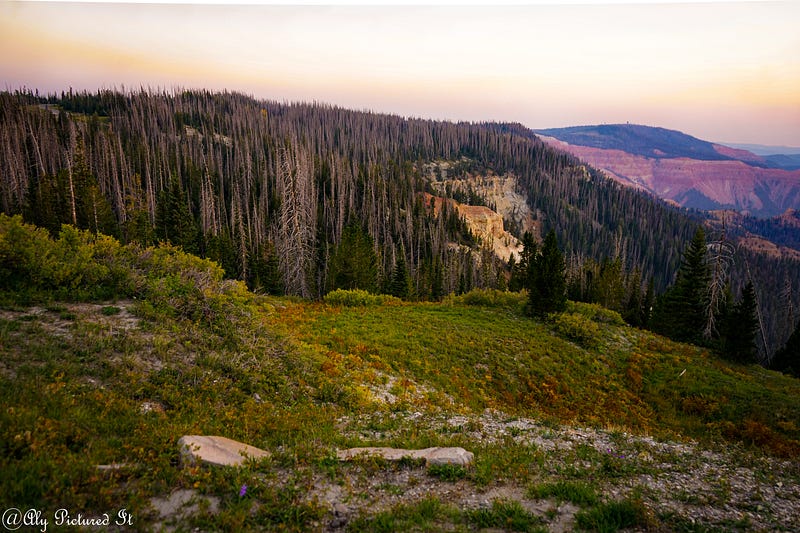
Cedar Breaks National Monument is a stunning example of geological processes and alpine beauty. Hiking on the South Rim Trail provides a visual feast of vibrant red and white cliffs, and formations like those at Bryce Canyon.
In the monument’s meadows, deer graze lazily near groves of conifers. The younger trees are lush and healthy, and the fields are green and adorned with wildflowers. The older Englemann spruce are dead. They tower above me like skeletal ghosts of forests past; industrious bark beetles have destroyed them. In fact, millions of acres of our national forests have been decimated by the booming beetle population.
What’s Going On?
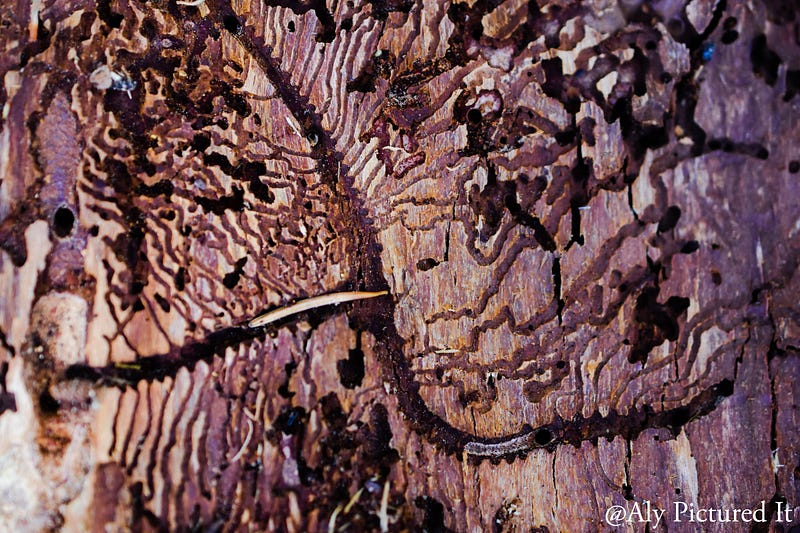
The beetles lay their eggs in host trees. Once hatched, the larvae create elaborate tunnels in the tree's soft tissue, or phloem. This process damages the tree’s ability to move nutrients through its body, causing extensive destruction from the inside and often death.
Normally, spruce beetles infest weak or stressed trees, which allows saplings to obtain more sunlight. In addition, the soil is replenished with nutrients as fungi, bacteria, and other agents of decay feast on dead wood and needles.
It is important to note that bark beetles are not invasive; they are a natural part of the forest’s life cycle, like wildfires. Also, like wildfires, the impacts of climate change are increasing the bark beetle’s effects on stressed trees every year.
Factors exacerbating forest infestations are:
- Increased drought. Trees are more stressed than ever, making them more vulnerable to the effects of beetles.
- Increasing temperatures allow the bark beetles to come out of hibernation earlier, go into hibernation later, and increases their chances of survival through the winter.
- Longer warm periods not only increase the beetles' reproduction but gives them more time to bore into the tree’s phloem, causing more damage.
What Can We Do About It?
Eradicating bark beetles is out of the question. As stated above, they are native insects with an important role to play in the ecosystem. However, there are some ways to control their population, increase woodland health, and reduce damage, including:
- Encouraging biodiversity in native plants, particularly shrubs and other flora that grow close to the ground. This increases humidity and promotes healthy soil.
- Pruning or destroying infected trees, especially in highly impacted areas, to prevent further spread.
- Cleaning up felled trees. Fallen conifers are perfect breeding grounds for beetles. After cutting down infected trees or during any logging operation, remove bark from the logs and let them dry out, which decreases their attractiveness to mating insects.
- Setting up bark beetle traps in infected areas.
- Replanting! Our forests are already being leveled at an astonishing rate; replanting various native tree species will increase biodiversity, heal damaged ecosystems and nurture overall forest health.
To do your part, you can volunteer your time with local organizations like the US Forest Service or BLM, or you can support charities like The Arbor Day Foundation.
Thanks for reading! If you’ve enjoyed this piece, you may also like Plastic Earth: Guide For Reducing Our Impact, A Little Girl with Her Head in the Stars, or The Mountain is Calling Me Today!
Get yourself a Medium membership here to support me and read more from other writers!