
Banning TikTok Is Like Outlawing LSD
“LSD is known to induce psychosis — in people who have never used it.” — Timothy Leary*
Banning TikTok is our new mania.
“The Chinese are using it to spy on us!” “Our kids are addicted to it!” Indeed, the PBS News Hour reports that “6 out of 10 young people want to be social influencers on TikTok,” which proves — if nothing else — TikTok is more addictive than LSD!
Let’s face it: for old-timers like me, the fight over TikTok evokes a strange case of deja vu.
LSD was outlawed in 1966 in California — and in the rest of the country in 1968. And now, almost 60 years later, psychedelics are making a comeback with even Republicans trying to legalize some of them for medical use. People conceive of these substances as tools to help veterans deal with trauma, the anxious quell their worries, and the rest of us discover spirtuality and delight. (Disclaimer: I don’t do LSD myself. I find this moment deeply compelling as it is.)
Meanwhile, TiKToK is driving people nuts.
On January 25, 2023, the senior Senator from Missouri and Capitol jogger Josh Hawley introduced the No TikTok on United States Devices Act to prohibit the Chinese-based TikTok app from being downloaded on U.S. devices and ban commercial activity with TikTok’s parent company, ByteDance.

“TikTok poses a threat to all Americans who have the app on their devices. It opens the door for the Chinese Communist Party to access Americans’ personal information, keystrokes, and location through aggressive data harvesting.” — Rep. Josh Hawley
I used to run Computer Professionals for Social Responsibility so I am as concerned about data privacy as the next, um, baby boomer. (Forgive me, but Gen Z and below seem a lot less hung up on this than we are.) I was at the first Computers, Freedom and Privacy Conference in 1991. That was more than 30 years ago, yet I will never forget Esther Dyson saying that no company should be allowed to use your data unless they paid you handsomely for it. Back then, even venture capitalists were visionaries.
Enough of “what might have been.” In December, President Joe Biden signed a law keeping TikTok off federal government devices (meaning less dancing in the halls of the Pension Benefit Guaranty Corporation. Sigh.) A TikTok spokesperson dismissed this ban as “little more than political theater.”
More than half the states have enacted similar bans — but not all states. California Governor Newson’s TikTok page has garnered 2.1 million likes.
None of this goes far enough for Senator Hawley who wants to protect you from Chinese corporations, commies, and California: “Banning it on government devices was a step in the right direction, but now is the time to ban it nationwide to protect the American people,” he insists
Not everyone is copping Hawley’s moves. New York Reps Alexandria Ocasio-Cortez and Jamaal Bowman oppose the ban. And now, Kentucky’s “libertarian” junior Senator Rand Paul — a man so right-wing I never dreamed I would quote him anywhere, even though we’re both anti-militarists — also wants hands off TikTok: “If Republicans want to continuously lose elections for generations, they should pass this bill to ban TikTok, a social media app used by 150 million people, primarily young Americans. Have faith that our desire for freedom is strong enough to survive a few dance videos.”
But what fascinates me about this ban is not fears about Chinese data manipulation or Senator Paul’s fantasies of “freedom,” capitalism, and, um, re-election.
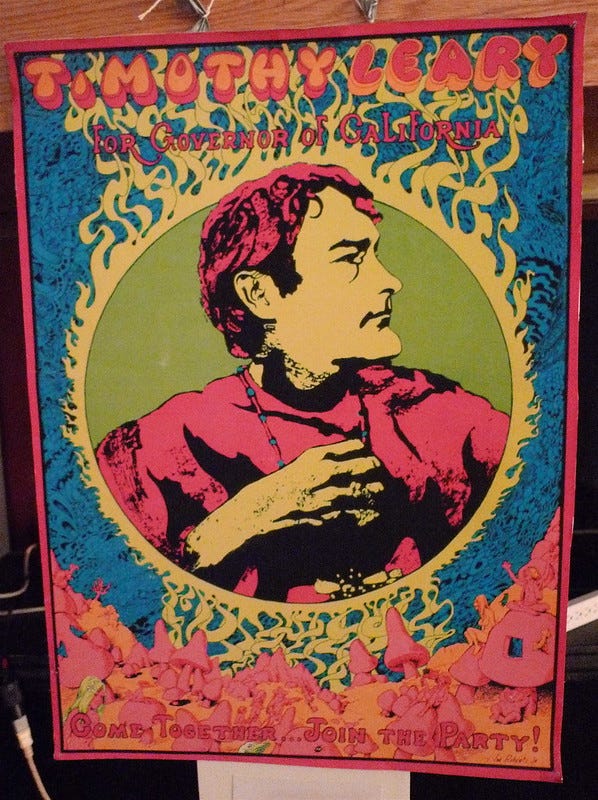
You remember our parents’ freakout over acid-heads (of which you may have been one): “They care more about music and crazy dancing than work.” “They think they’re expressing their individuality, but they’re sheep.” “When they should be paying attention, they’re giggling.” “They say they’re not materialist, yet they’re obsessed with their clothes and hair.” “They think sex trumps family.”
True, Art Linkletter, host of the TV show, Kid’s Say The Darnedest Things, shared the story of his daughter’s tragic death, jumping off a roof because she was on LSD — but toxology tests found no drugs in her system.
Let’s instead meditate on today’s TikTok aficionados.
TikTok creators and lurkers see the world differently than us old people — and by old I mean people over, um, 30.
It’s true: TikTok makes people — predominantly young people — see the world in a brand new way: Dance is more powerful than work. Sensuality is more compelling than seriousness. Expressing how you feel is a kind of song. Human connection links us to both nature and the divine. We discover our individuality through the collective. Pleasure — in the movement of the body and the mind — is the beating heart of the universe.
The real mania over TikTok is the fear young people who make it and/or watch it won’t behave themselves — like “we” do. And let’s face it, we old folks need young people to misbehave.
They’re the gang that’s gotta save the world.
As poet Diane Di Prima, who explored LSD at Millbrook with Leary, famously “ranted”:
“The only war that matters is the war against the imagination. All other wars are subsumed by it.” — from “Rant” by Diane Di Prima
And in other news, we’ll let the 37th President of the United States have the last word:
“When the President does it, that means it’s not illegal.” — Richard Nixon
— — — —
- Apologies to folks who want more on LSD & the CIA. There’s lot’s of information available online, in documentaries, and in books. Here’s an article from Medium by Karen Hart about the CIA & Psychiatry which points you too powerful reference about about their horrific work: https://readmedium.com/the-parasitic-nature-of-the-cia-and-psychiatry-302e3cf5ab17. Here’s a fascinating podcast with Benjamin Breen. the author of Tripping on Utopia: Margaret Mead, Psychedelics, and the CIA from Lawfare.
- For more about Timothy Leary, his troubled legacy, and LSD, check out The Most Dangerous Man in America: Timothy Leary, Richard Nixon and the Hunt for the Fugitive King of LSD by Bill Minutaglio and Steven L. Davis.
- You can see Art Linkletter on YouTube.
— — — -
Check out my sonnet about getting old, “The List.” You can sign up for emails whenever I publish here, or get a subscription to Medium — a couple of bucks of the monthly fee will be thrown my way — here. Oh, yeah, and if you like plays and libretti, here’s my website.


