
Baby Blues or Postpartum Depression?
Whatever it is, trust yourself and get help.
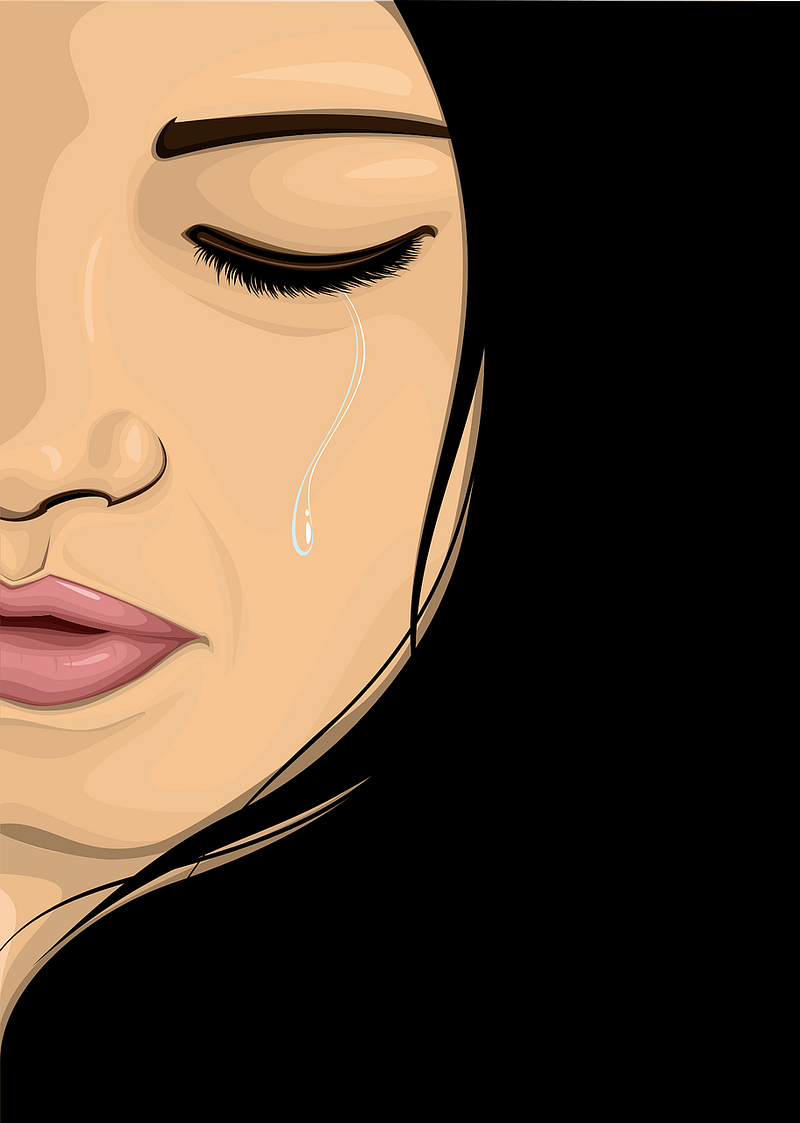
Postpartum depression is a nasty black hole. It sucks hopes, dreams, and plans away, just when they seem within reach. Of course, it does. It is a form of depression.
After childbirth, the levels of hormones (estrogen and progesterone) in a woman’s body quickly drop. This leads to chemical changes in her brain that may trigger mood swings. In addition, many mothers are unable to get the rest they need to fully recover from giving birth. Constant sleep deprivation can lead to physical discomfort and exhaustion, which can contribute to the symptoms of postpartum depression. National Institute of Mental Health
I was twenty-five when I had my first baby. Not a teenager. A full-fledged adult.
My baby wouldn’t sleep unless she was laying on my chest.
The baby showed up after a slightly difficult birth. The baby was healthy, the parents were happy but tired, and the grandparents were over the moon. After two nights the hospital released us and we settled in at home.
Except it didn’t feel very settled. My baby wouldn’t sleep unless she was laying on my chest. I was exhausted and couldn’t sleep that way. I laid on the couch and let her sleep.
Unenthusiastic about breastfeeding, I was determined to make it work. There was plenty of milk, once it came in. The baby latched on fine. Then, as we attempted to burp her, the projectile vomiting would begin.
My mother came. She had an efficient method of burping a baby but wasn’t sure why the spit up was more like vomit. At least she was able to lay the baby down in the crib and convince our baby to sleep.
Once that happened, I was able to lay down in my own bed to sleep. My mother and husband were on baby detail. I laid in the bed and felt the tears begin. After a bit, I was able to nap before the whole process started again.
We struggled through breastfeeding.
When a baby throws up most of the breastmilk they drank during a feeding, the baby is hungry. Feedings were supposed to be two hours apart at the time. Our baby had other ideas.
My mother thought the baby was perfect, of course. So, did we. The problem must be with me. We struggled through breastfeeding.
After my mother went home and my husband went back to work, my perfect little baby and I tried to make it work. I would breastfeed, she would throw up, we would each get a sponge bath and a new set of clothes. An hour or so later we would repeat the experience.
My husband would come home and, as he watched the baby, I would take a quick shower and put on yet another set of clothes. While I threw some dinner together, he would do a load of laundry.
“I knew a baby would mean more laundry, but I didn’t expect all this,” he said.
Those quick showers were a great place for crying. I was a failure. I knew I was.
My pregnancy book listed the symptoms of postpartum depression.
Some of the more common symptoms a woman may experience include:
· Feeling sad, hopeless, empty, or overwhelmed
· Crying more often than usual or for no apparent reason
· Worrying or feeling overly anxious
· Feeling moody, irritable, or restless
· Oversleeping, or being unable to sleep even when her baby is asleep
· Having trouble concentrating, remembering details, and making decisions
· Experiencing anger or rage
· Losing interest in activities that are usually enjoyable
· Suffering from physical aches and pains, including frequent headaches, stomach problems, and muscle pain
· Eating too little or too much
· Withdrawing from or avoiding friends and family
· Having trouble bonding or forming an emotional attachment with her baby
· Persistently doubting her ability to care for her baby
· Thinking about harming herself or her baby.
Well, I only had three of those. I was tired, I was sad, but I also had a baby who wasn’t getting enough food. There was milk galore, yet the baby couldn’t seem to hold it down. It couldn’t have all been in my head.
My daughter’s pediatrician’s office was less than helpful.
“Babies spit up.” the nurse said.
I remember taking a big breath. “I know. This is more than that. She is projectile vomiting. This isn’t normal.”
She grudgingly recommended a formula we could try.
We bought the formula. Our baby seemed to keep it down better, but the spit up was still over the top.
I kept re-reading the section of the book on postpartum depression. While in my obstetrician’s office, I noticed a pamphlet for new mothers. I picked it up.
It described the “baby blues” as a type of postpartum depression. This seemed more like what was happening. The pamphlet said it was the least intense form of postpartum depression.
Approximately 70–80% of all new mothers experience some negative feelings or mood swings after the birth of their child. American Pregnancy Association
Reading about it and recognizing what I was going through helped.
By this point, my husband was wrapping an ace bandage around my bra every morning before leaving for work. Since breastfeeding was a bust, I needed to try and stop the milk from flowing. The milk still flowed and my clothes felt like a soggy mess most of the day.
My mood was getting better, though. I was an exhausted, damp mess, but the crying lightened up. Our baby continued to hold down more of the formula than she had my milk but not a lot more. Something still seemed wrong, but no one was listening to me.
I look back on this time and wonder if I was being forceful enough. I am an assertive person but was unsure of myself as a new mother. I was exhausted and weepy. No doubt that was all coming through the phone line.
She put her hand on the baby’s tummy and asked about our feeding schedule.
I was anxious to get back to work. At least at work, I knew what I was doing. We interviewed a few childcare providers.
The last interview was the winner. Of course. Once you have found the person you want to hire, you don’t keep interviewing, do you?
As we talked, she asked if she could hold the baby. As she held our child, her brow wrinkled. She put her hand on the baby’s tummy and asked about our feeding schedule.
I explained the history of feeding my baby. Swallowing my feelings of inadequacy, I talked about switching her to formula.
“Which formula did they put her on?” She asked.
I gave the brand name.
The woman didn’t swear but I could tell she wanted to. I watched her consider her words carefully and then say, “That is cow’s milk-based. It is so rare to have a baby allergic to the mother’s milk. If that happens, the baby is probably allergic to cow’s milk, too.”
We all sat and looked at each other. I asked if she had a recommendation for an alternative formula to try. She did.
On our way home from the interview, we picked up the soy-based formula. We were willing to give it a shot.
The formula smelled terrible. Our baby loved it. She drank the bottle down and went right to sleep. She slept for six hours.
We had our babysitter.
Postpartum depression is serious business. I should have talked to my doctor. I was so tied up in trying to feed my baby and discounting my feelings, it didn’t occur to me to try to get help for myself.
If I could go back 30 years, I would trust myself more. I would probably march down physically to the pediatrician’s office and demand help. If I had to, I’d take a sample of the “spit up” so they could see it had curdled. A picture is worth a lot more than words sometimes.
Learn from my experience. If you find yourself crying helplessly between baby feedings, call your doctor. Talk to your loved ones. Take it seriously.
If you or someone you know is in crisis or thinking of suicide, get help quickly.
- Call your doctor.
- Call 911 for emergency services or go to the nearest emergency room.
- Call the toll-free 24-hour hotline of the National Suicide Prevention Lifeline at 1–800–273-TALK (1–800–273–8255); TTY: 1–800–799–4TTY (4889).

If you liked this, you may like: