
What You Should Do if Your Covid-19 Test is Delayed
When test results take up to two weeks to come back, is testing even worth it?
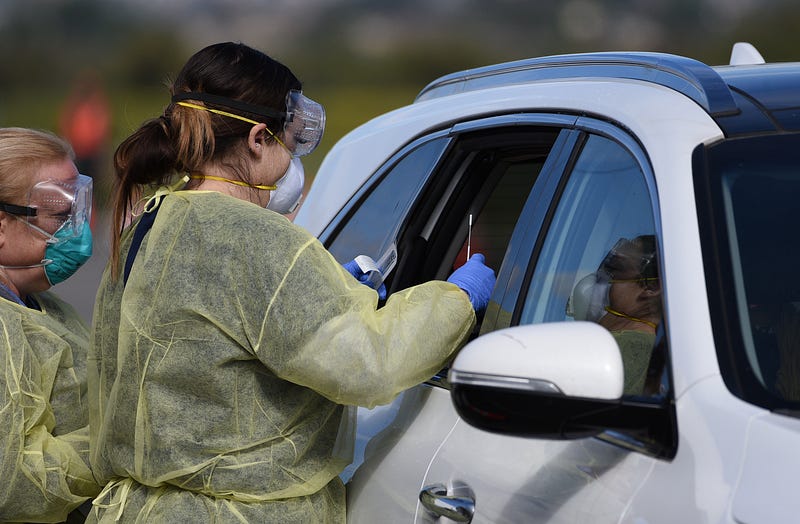
Let’s start with the (somewhat) good news: Testing rates are gradually rising all over the country, which means that the data on Covid-19’s spread is more complete than it was at the beginning of the pandemic. It’s nowhere near where it’s supposed to be in order to keep the spread of Covid-19 under control, but it’s slowly getting better.
The bad news is that the increase in testing has created huge backlogs, which means that some people are waiting up to two weeks to get their test results back. Understandably, this has caused a lot of confusion and outrage. “It is so upsetting and absurd in so many ways,” said one law professor on Twitter, referring to the 10-day delay in her area.
Today marks the ninth day I’ve been waiting for my test results from an urgent care clinic in New York City. Like many people, I have questions: What am I supposed to do while I wait for my results? Many people are getting tested because they are worried they were potentially exposed to Covid-19, but symptoms can take two to 14 days to show up, so is it worth it if they won’t know their results for up to two weeks? In short, what is the point of getting tested now?
If quarantining while waiting for your delayed test results seems absurd, that’s because the delay in test results is absurd.
When I asked Abraar Karan, MD, an internal medicine doctor at the Brigham and Women’s Hospital, what to do while waiting for test results, he said: “If somebody is waiting for their results and had been tested for possible exposure, they should quarantine accordingly and if they need to go out for some unavoidable reason, to wear a mask and physically distance.”
In other words, the same self-quarantine rules established at the beginning of the pandemic still apply. If you’ve been exposed to someone with Covid-19, stay home for 14 days, watch out for fever, and stay away from people, especially those who are considered high-risk.
If quarantining while waiting for your delayed test results seems absurd, that’s because the delay in test results is absurd. If you do have Covid-19, it very well may be that your symptoms show up before your test results come back positive. Or they might not, if you’re an asymptomatic case. There’s no way of knowing without getting tested, and while you wait, the only way to ensure you don’t inadvertently infect other people is to quarantine.
It may not appear that extremely delayed testing is very useful for your personal health, but it is still very important from a public health perspective. “It is still worth getting tested even with delays in results, as testing has many benefits, including for public health departments to understand the level of spread in the community; for contact tracing and isolation initiatives; as well as for informing outbreak investigations,” Karan says.
Public health departments track the number of positive cases in a region to tell where Covid-19 is spreading, then use that information to stop the spread. Because of testing delays, the data they have doesn’t necessarily reflect what’s happening in real time, and that is almost certainly detrimental to their decision-making. But delayed data is better than no data at all, which is why it’s still important for people to get tested — even though the immediate personal benefits may be frustratingly unclear.


