
B2B Changes due to COVID-19 Crisis: Adapting to the new digital landscape
According to the International Labor Organization, “As job losses escalate, nearly half of the global workforce at risk of losing livelihoods.” Even though we still cannot conclude what more this pandemic could bring, its economic consequences are undoubtedly dreadful.
It’s been always expected that there will be inflection points along the digital landscape’s growth path. COVID-19 has caused a digital inflection on the B2B landscape. The pandemic has changed the ways of how B2B sellers and buyers interact. Leaders in the sales industry are continuously learning how to adapt to the new normal. And in the process of shifting to the new normal, sales leaders have identified their top priority: to take care of their people and customers.
While the world is still figuring out how to handle the situation, the new normal changes include adjustments on how sales leaders and organizations sell. In a series of periodic surveys conducted worldwide, McKinsey and Company track the changes brought forth by the pandemic in B2B businesses — specifically about customer spending, behaviors, and expectations. The results from July revealed the following:
Differences in Expenditure
Cuts in expenditure are expected — given the consequences caused by the economic impact of the pandemic. Apparently, a relatively large number of companies are increasing or maintaining expenditure (for now), with rates varying on company size, business expertise field, and location. 85% of the surveyed cases, the movement of expenditure — up or down — did not exceed 25% of total spending.
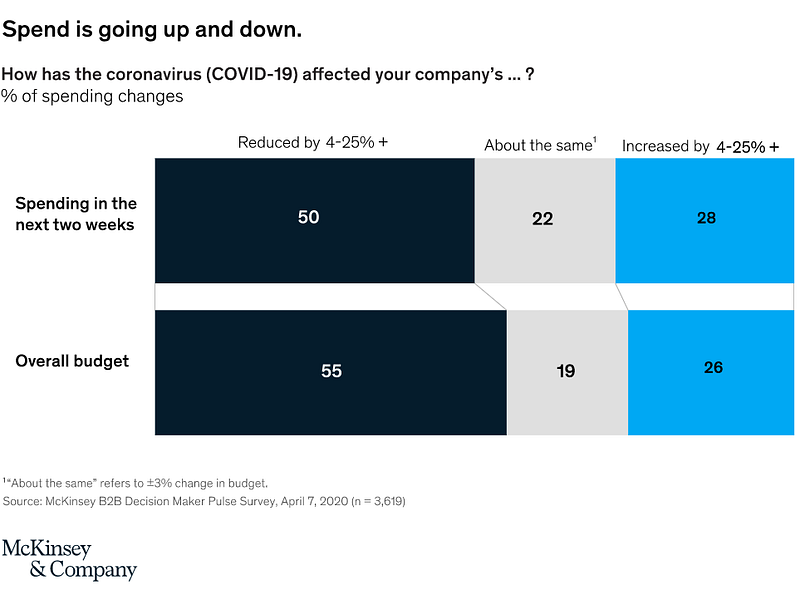
Those in pharmaceuticals, medicine, technology, and media expect the most significant increase in spending. On the other hand, travel and global resources are expected to spend the least.
The spending patterns operate similarly by geographical locations. Though, expenditures of businesses surveyed in the US are increasing or maintained compared to their counterparts in Europe. Businesses in China and India recorded higher rates of increase and maintenance in spend as well.
The Switch to Digital
B2B Companies
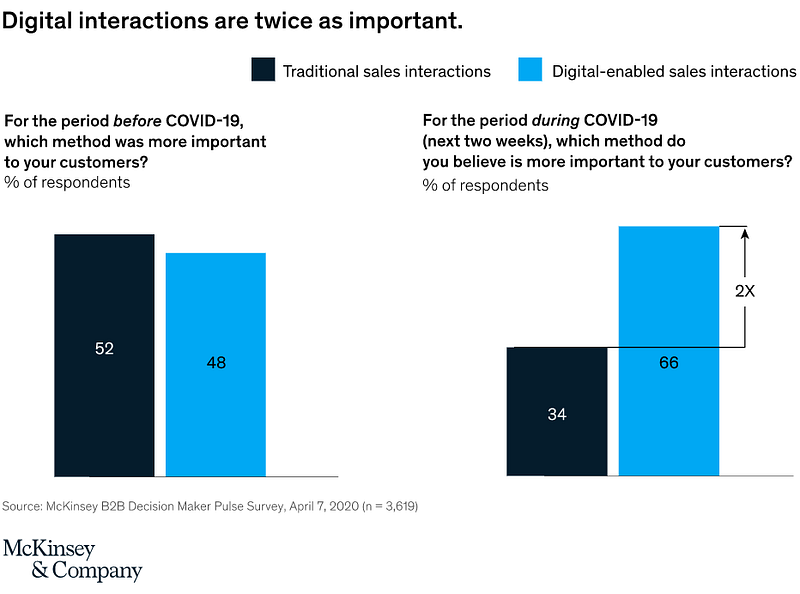
The significance of digital platforms for B2B companies has grown in the past few years — and grew even more since the COVID-19 crisis happened. Sales leaders view digital platforms two times more important now as they were for the past years.
Surveyed B2B leaders in Spain and the UK rated the importance of digital platforms almost triple than their previous deemed importance. Meanwhile, Japan and South Korea rated them almost 1.5 times more important than previous times.
B2B Customers
For customers, digital interactions are also more preferred now than conventional sales communications.
Product Research
Mobile apps, social media, and online groups and communities (not including web pages, since these have already been part of the conventional sales process) have become significantly important for conducting product research — especially to buyers in China, UK, and Germany.
Product Purchase
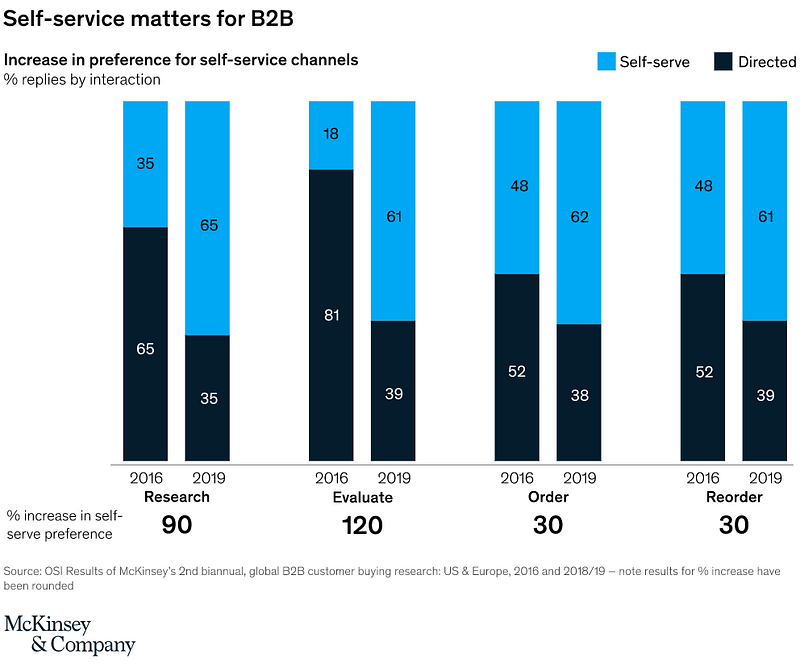
According to the survey results, consumers now prefer self-service in purchasing products. The growth of business mobile application users has been increasing since 2019. This fact leads to a noticeable rise in preference for self-service ways in each step of the consumer decision-making process.
But this is not a reason for sellers to leave buyers alone. 33% of surveyed buyers revealed that they opt to look for a ‘live chat’ in their buying journey. The availability of a live chat option helps a business be tagged as a ‘best-in-class’ supplier.
The Shift to Remote Selling
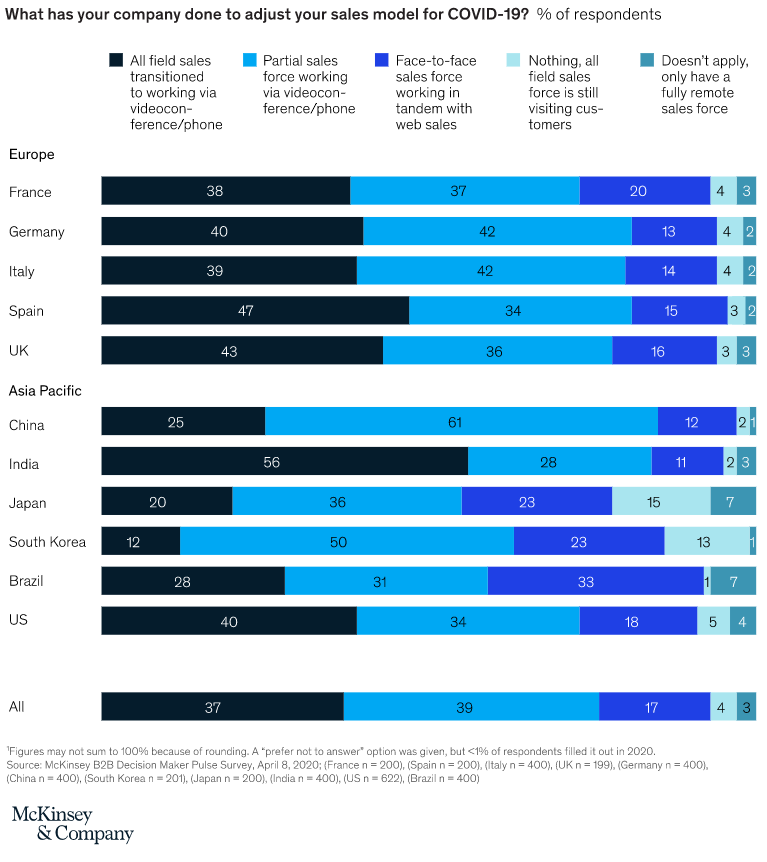
The COVID-19 crisis caused us to replace our broken physical world with a virtual one. Everything now happens online — including activities of B2B sellers. According to the survey, 90% of sales have moved to video-conferencing/other digital platforms — which, surprisingly many, deem as equally or more effective than sales methods used before COVID-19.
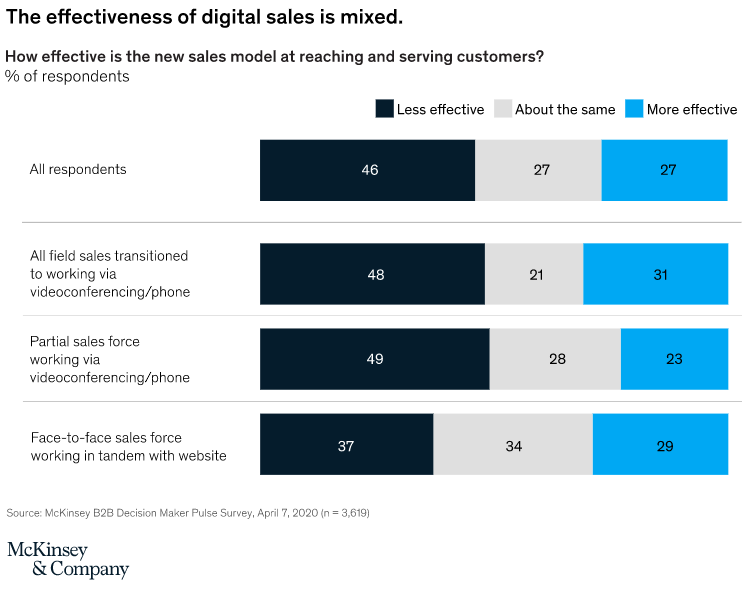
This shift to remote selling manifested in the survey results significantly through surveyed B2B sellers from China, India, Spain, and the UK — countries that lead the scale of such shift.
Conclusion
Sales leaders have been moving dynamically to settle to the new normal. Besides shifting to remote selling, most companies have also built several commercial nerve centers to handle sales processes.
For business leaders, moving and adjusting transactions onto digitized platforms is not just that. The use of digital and self-service platforms also implies that businesses have to facilitate effective digital interactions — employing speed, transparency, and expertise, which are more relevant now like never before. Also, figuring out the best ways on how to station sales reps across digital sales platforms for customer service and support is a must.
Our normal ways have changed — and will continue to change. As the pandemic keeps everyone indoors, work through technology. Videoconferencing, chatbots, and webinars have replaced conventional physical interactions. But even with the given situation, business leaders must have a clear path for their customers.
More about Tracey…
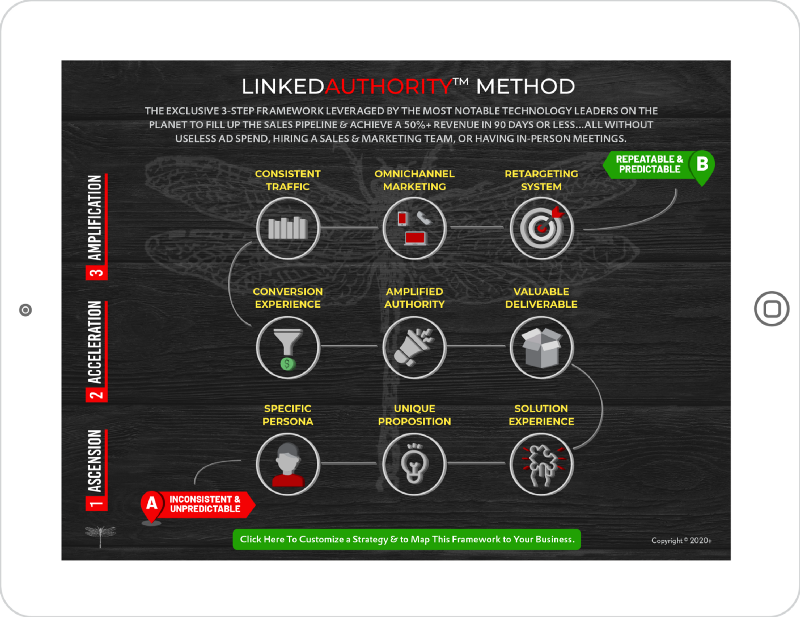
I escaped from Corporate America, specifically the technology sales space, so I understand the nuances of the shifting sales landscape and the process therein, with the difficulty in finding ideal prospects & converting them into customers. Out of my frustration, I created the LinkedAuthority™ Method. It is an uncomplicated framework for business growth…so you can stand out in a noisy world, close deals faster & drive more revenue. It is a proven precision-based sales model that predicts & accelerates growth consistently.
Let’s talk. We’ll give you clarity & a simple go-forward strategy for growth, despite all the noise and confusion: bit.ly/LinkedAuthorityMethod


