
Azure Databricks vs. AWS Databricks vs. GCP Databricks: Which is Right for Your Data Needs?
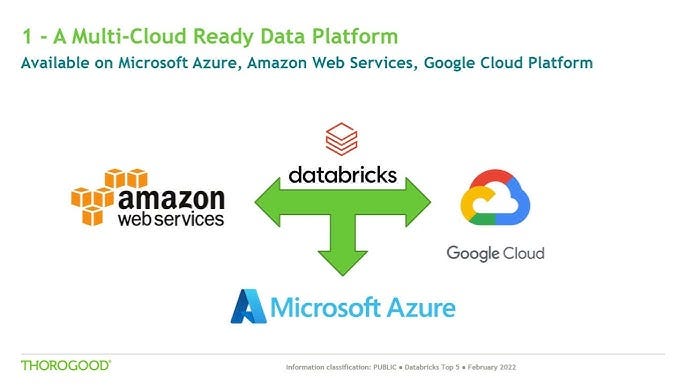
Databricks has become a go-to platform for data engineering, analytics, and machine learning. But with Databricks available on Azure, AWS, and GCP, choosing the right platform can be overwhelming. Let’s break down the core strengths of each and help you decide which is the best fit for your needs.
Key Comparison Table
Here’s a quick look at how each cloud platform stands out for Databricks users:

Platform Strengths
1. Azure Databricks: The Top Choice for Azure Users
If your organization is already using Azure, then Azure Databricks is an excellent choice. Here’s why:
- Seamless Integration: Azure Databricks connects effortlessly with other Azure tools like Azure Synapse for analytics, Azure Data Lake Storage for big data, and Azure ML for machine learning workflows.
- Security & Compliance: With built-in support for Azure Active Directory and extensive compliance certifications, Azure Databricks is highly secure, which is particularly beneficial for companies in regulated industries.
- Cost-Effective for Microsoft-Based Workloads: For companies using Microsoft software, Azure offers Hybrid Benefits, which allow you to reuse existing Microsoft licenses to reduce costs. Unified billing within Azure can also simplify budgeting.
Ideal for: Enterprises with a strong commitment to the Azure ecosystem and a need for robust security and compliance.
2. AWS Databricks: Best for Heavy Data Engineering on AWS
If your company is deeply invested in AWS, then AWS Databricks could be a great fit:
- Big Data Capabilities: AWS Databricks works seamlessly with AWS’s big data tools, including Amazon S3 for storage and Redshift for analytics. These tools enable robust data engineering and analytics capabilities for massive datasets.
- Machine Learning: AWS Databricks is compatible with Amazon SageMaker, making it possible to manage complex machine learning workflows on AWS, though it may require some setup to integrate smoothly.
- Security: AWS Databricks provides strong security options with AWS Identity and Access Management (IAM), though some configurations may need additional setup for advanced security needs.
Ideal for: Organizations running extensive data engineering or big data workloads on AWS.
3. GCP Databricks: Tailored for AI and Machine Learning
Google Cloud is known for its advanced AI capabilities, and GCP Databricks is an excellent choice for companies focused on machine learning:
- AI & Machine Learning: GCP Databricks integrates with Vertex AI, Google’s AI platform, which is perfect for running large-scale ML models. It also works well with BigQuery, Google’s powerful data warehouse, for data analytics.
- Cost Efficiency for ML Workloads: Google Cloud offers sustained use discounts, which makes it cost-efficient for companies that use ML resources consistently.
- Big Data Analytics: GCP Databricks is optimized for BigQuery, making it ideal for data scientists who need to analyze large datasets and build machine learning models in one environment.
Ideal for: Data science teams focused on AI and machine learning who want to leverage Google’s advanced ML tools.
The Bottom Line
Choosing between Azure, AWS, and GCP Databricks ultimately depends on your organization’s current setup and goals. Here’s a quick recap:
- Choose Azure Databricks if you’re deeply integrated with Azure services and need strong security and compliance.
- Choose AWS Databricks if your workloads are data-heavy, and you rely on AWS’s analytics tools.
- Choose GCP Databricks if you’re focused on AI/ML and want to leverage Google’s advanced machine learning tools.
Each cloud has its unique strengths, so the right choice depends on your specific needs and ecosystem. Whichever you choose, Databricks offers a powerful, scalable environment for data engineering, analytics, and machine learning.
This comparison should help you decide which Databricks platform is the best fit for your data strategy. Let me know your thoughts in the comments or share your experiences with Databricks on different clouds!


