
Avoiding the Eco-chamber Trap!
Social Media: Changing what’s considered acceptable.
In today’s world of non-stop internet, social media has become a big mix of ideas that change how we see things and shake up the usual rules. But, there’s a downside to all this digital stuff!
Social media helps spread cool and innovative ideas, but it also boosts some unfounded and harmful beliefs, especially because people stick to their own groups and make those ideas louder.

The Magnification of Unconventional Ideas
With so many different views and tons of users, even ideas that used to have a hard time getting noticed can now find people who like them. Even if just 1% of online users start liking an idea that wasn’t okay before, that’s still 53 Million users!
This isn’t all bad since it’s helped some really unconventional but valid ideas get recognized and shake up the usual way of doing things. But, the bad part happens when crazy ideas get popular because online groups keep pushing and making them louder, even if they’re not true!
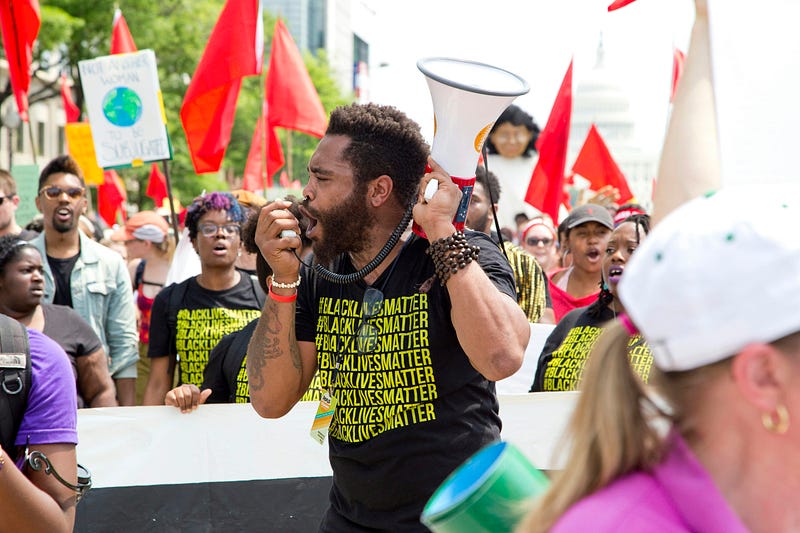
The Flat Earthers
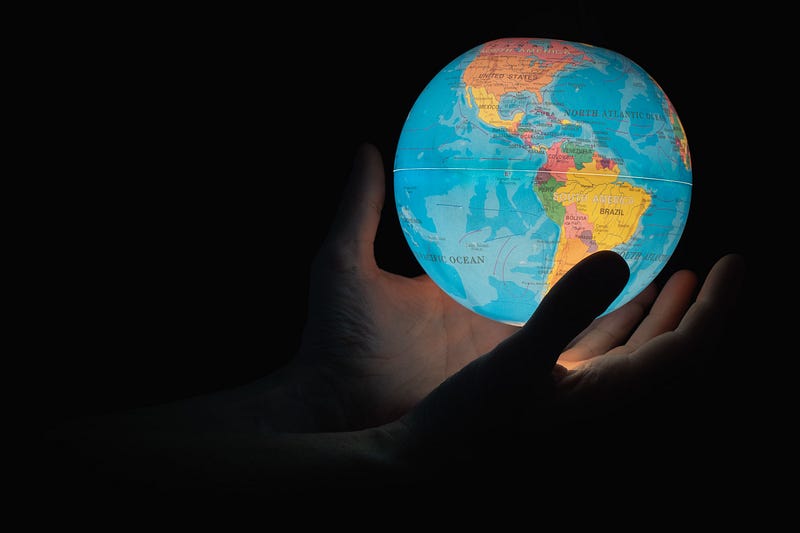
Take flat earth believers, for example. The internet has given them a space to come together and spread their belief, even though it goes against hundreds of years of scientific proof. They stick together in their own little world online, ignoring science and throwing out basic physics and astronomy principles.
Their refusal to accept solid scientific facts shows how echo chambers can mess things up, and it also demonstrates how dangerous it is to spread and believe ideas that don’t have any real evidence behind them.
Conclusion
Social media has completely changed what we think is okay or not, putting both awesome and bad ideas in the spotlight. It’s given a voice to people who didn’t have one before and let all kinds of discussions happen. But, it’s also made it easy for wrong information and bad ideas to spread in groups that only listen to themselves.
To handle this, we should encourage people to think hard about things and share real facts, while still making sure online spaces welcome all kinds of voices. This way, we can handle this digital age smartly, making sure what we accept matches up with real evidence and makes sense.