
Avoid Lifestyle Inflation And Embrace Sustainable Spending Habits
A guide for young professionals

So you have just secured your dream job, and are about to start getting ‘the big bucks’.
It might be tempting to buy a new car with upgraded gadgets, or maybe even get yourself a flat with a view.
But before you go all out on a spending spree, let us talk about something crucial: lifestyle Inflation.
Although this article examines concepts, companies, and processors specific to the UK, the principles discussed can be applied universally, irrespective of the country.
Whether you find yourself in rainy England or sipping coconut water on a beach halfway across the globe, these insights are designed to guide you on your financial and investing journey.
What Is Lifestyle Inflation?

Lifestyle inflation sneaks up on you when you least expect it.
It is the phenomenon where your spending increases as your income goes up.
You start earning more, and suddenly, you find yourself living beyond your means. It is a slippery slope!
The Pitfalls Of Inflation
I agree that it is fun to treat yourself, but let us be real — the new, shiny stuff loses its sparkle pretty quickly.
What you are left with is bigger bills, more stress, and a constant need to keep up with the Joneses.
So let us try to understand how to dodge that bullet and talk about how to embrace sustainable spending habits instead.
Budgeting
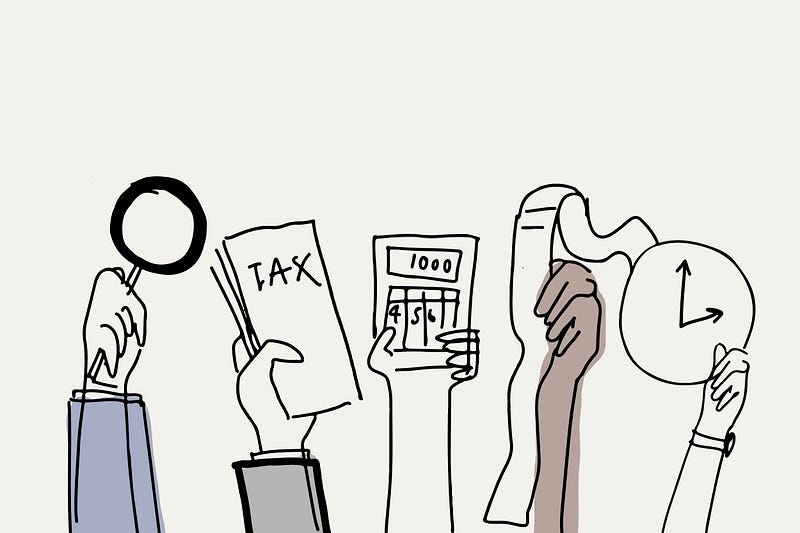
First things first — budgeting is not your enemy.
It is your financial GPS, guiding you through every step of the way.
Sit down and figure out where your money is going.
Track your spending, categorise it, and give every pound a purpose.
Budgeting helps you see the bigger picture and keeps you from drowning in unnecessary expenses.
Set Financial Goals
Think of financial goals as your roadmap to success.
What do you want to achieve?
- Buy a house?
- Travel the world
- Retire by the beach?
Whatever it is, set clear, achievable goals.
This gives your money a purpose and keeps you focused.
Instead of mindlessly spending, you will be investing in your dreams.
Avoiding Impulse Buys: The 24-Hour Rule
We get it. That impulse to buy that shiny new toy is strong.
Here is a trick that many use — sleep on it.
I am being serious — you should implement the 24-hour rule.
If you still cannot live without it after a day, then maybe it is worth considering.
More often than not, you will find that your urge to splurge was one you had in that moment.
Cutting Unnecessary Expenses

Let us talk about those subscriptions you forgot about.
Do you really need all of them? Probably not.
Take a hard look at your monthly outgoings and cut the dead weight.
Cancel those subscriptions you never use, brew your coffee at home, and maybe resist the urge to order food every night.
Small changes can lead to big savings.
Emergency Fund
Life is unpredictable.
Cars break down, laptops crash, and sometimes, jobs vanish.
That is where an emergency fund comes in.
Aim for three to six months’ worth of living expenses stashed away.
It might take time to build, but trust us when the rainy day comes, you will be glad you did.
If you would like to learn more about building an emergency fund, please feel free to read the following article:
Investing In Yourself
Instead of investing in the latest trends, why not invest in yourself?
Acquire new skills, take up a course, or attend workshops.
It not only makes you more valuable in the job market but can also open doors to better opportunities and increased income.
That would be a smart investment!
The Power Of Saying No
It is okay to say no.
No to that pricey dinner invitation, no to that flashy gadget you do not really need.
Saying no makes you financially savvy. Remember that every pound you save is a pound that can work for you in the future.

In the fast-paced world of young professionals, it is easy to get caught up in the whirlwind of spending.
Remember to embrace sustainable spending habits, and you will not only build a solid financial foundation but also gain the freedom to live life on your terms.
Budget, set goals, cut the excess, and invest wisely.
Your future self will thank you.
Happy financial future!
If you would like to learn more about finance and investing, feel free to check out the following list:
As always, if you have any other questions or thoughts, please feel free to add them to the responses section.
If you would like to stay connected, check out my website or follow me on my socials: Linkedin & Instagram.
This article is for informational purposes only. It should not be considered Financial or Legal Advice. Not all information will be accurate. Consult a financial professional before making any major financial decisions.


