
Autonomous Solution Facades: Self-Sustaining AI Interfaces Across Domains
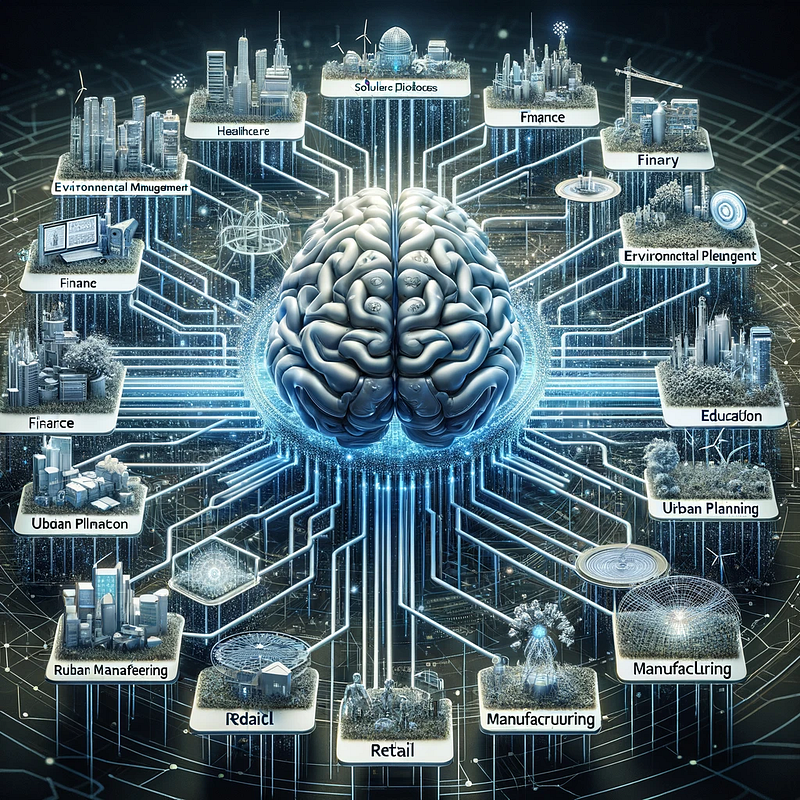
The concept of Autonomous Solution Facades represents a significant leap in AI technology, offering a more dynamic, versatile, and effective approach to problem-solving across various sectors. These specialized, self-sustaining AI interfaces, designed to operate independently, can handle specific tasks or problems with minimal human intervention.
Creation and Maintenance of Autonomous Solution Facades
- Domain-Specific Design: Each facade is tailored to address the unique challenges of a particular domain, such as healthcare, finance, or environmental science.
- Self-Learning Mechanisms: Incorporating machine learning algorithms enables each facade to learn from new data and adapt to changing circumstances.
- Automated Decision-Making: Facades are equipped with decision-making capabilities, allowing them to implement solutions autonomously.
- Real-Time Monitoring and Adaptation: Continuous monitoring and adaptation ensure up-to-date functionality and relevance.
- Security and Privacy Protocols: Robust security measures and privacy protocols are essential, especially when handling sensitive data.
Examples of Autonomous Solution Facades in Various Sectors
- Healthcare: A Personalized Medicine Facade would analyze patient data to tailor treatments, integrating new medical research for effective healthcare strategies.
- Environmental Management: A Climate Action Facade could autonomously monitor climate data, predicting environmental changes and suggesting conservation efforts.
- Finance: An Investment Strategy Facade would use AI to analyze market trends and economic indicators, providing tailored investment recommendations.
- Urban Planning: A Smart City Facade could integrate and optimize city systems, enhancing urban living and management.
- Education: A Personalized Learning Facade could adapt educational content to individual student needs, enhancing learning experiences.
- Agriculture: A Precision Farming Facade would optimize farming practices based on soil conditions and crop health, promoting sustainable agriculture.
- Retail: A Customer Experience Facade could personalize retail experiences by analyzing consumer behavior and preferences.
- Manufacturing: A Production Optimization Facade would monitor and adjust production processes for efficiency and quality.
- Entertainment: A Content Recommendation Facade would provide personalized entertainment options based on viewer preferences and habits.
Challenges and Ethical Considerations
- Interdependence vs. Independence: Balancing the autonomy of each facade with centralized oversight.
- Ethical Decision-Making: Ensuring autonomous decisions adhere to ethical standards and societal norms.
- Handling Complex Interactions: Managing interactions between facades while maintaining their independent functioning.
Conclusion
Autonomous Solution Facades represent a transformative approach in AI, where specialized, self-regulating systems handle complex tasks efficiently and independently. This approach holds the potential to revolutionize numerous industries by providing tailored, proactive solutions to complex challenges. As we advance in this field, it’s crucial to navigate the ethical and practical challenges with a focus on creating facades that enhance human decision-making and contribute positively to society.
Part 1: Autonomous Solution Facades: Self-Sustaining AI Interfaces Across Domains
Part 2: Revolutionising System Intelligence with Autonomous Solution Facades: A Journey Map Approach
Part 3: Futuristic Digital User Experiences within Autonomous Solution Facades
Part 4: Revolutionizing Digital Interactions: The Architecture of Autonomous Solution Facades
Part 6: Streamlining Backend Automation: Simplifying Communication with Context Manager Service
Part 7: Journey Maps: Charting the Evolution of Autonomous Solution Facades
Part 8: Unlocking Operational Excellence: ASF’s Dynamic Journey