
Autonomous Aerial Acrobatics: The Unmanned Little Bird’s Flight into the Future
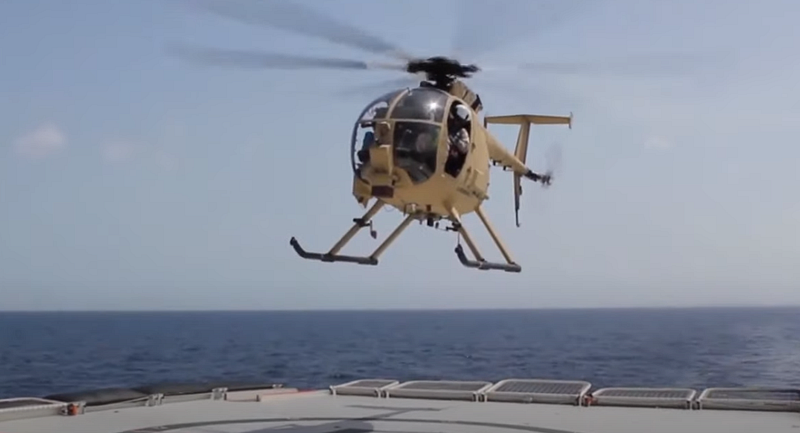
Hey there! Let’s dive into the world of autonomous aviation and talk about Boeing’s Unmanned Little Bird (ULB) demonstrator. This nifty piece of tech is like the remote-controlled toy helicopter you always wanted, but on serious steroids.
The Birth of a Robo-Helicopter Back in 2004, Boeing took a civilian chopper, the MD 530F, waved its magic wand, and turned it into the ULB. This wasn’t just any makeover; it was the kind that would make any tech enthusiast’s heart skip a beat. The ULB had its first flight on September 8, 2004, and a little over a month later, on October 16, it bravely soared through the skies all by itself (well, sort of, there was a safety pilot just in case things went south).
Remote-Control Warfare Fast forward to April 2006, and Boeing is showing off again. This time, they’re using the ULB to demonstrate something straight out of a sci-fi movie. Imagine sitting in an AH-64 Apache, parked on the ground, and controlling the ULB’s weapons while it’s flying high in the sky. That’s exactly what happened. They even fired Hellfire missiles from the ULB, remotely controlled by someone in the Apache. Talk about a long-distance relationship!
Both the Apache and the ULB were kitted out with some serious tech from L-3 Communications, allowing them to communicate over a tactical common data link. This wasn’t just a one-off party trick; it was part of Boeing’s Airborne Manned/Unmanned System Technology Demonstration (AMUST-D) program, which sounds as cool as it is.
Why Does This Matter? So, why should you care about a helicopter that flies without a pilot and shoots missiles from another helicopter’s command? Because it’s a game-changer for military operations. It means that manned helicopters can team up with their unmanned buddies to carry out missions that are too risky for human pilots. Plus, it’s a stepping stone towards fully autonomous vehicles that could revolutionize not just military operations, but also how we approach search and rescue, firefighting, and even pizza delivery (okay, maybe not the last one… yet).
In the end, Boeing’s ULB is more than just a technological marvel; it’s a glimpse into the future of aviation, where the skies are no longer the limit. So, keep your eyes peeled and your binoculars ready, because the next time you spot a helicopter, it just might be flying itself. 🚁✨
And there you have it, a little peek into the world of unmanned aerial vehicles and the cool stuff they can do. Stay tuned for more tech tales from the skies!


