
Different Not Less
Autism: A Processing Error, or a Different Operating System?
Understanding the autistic brain with a fun analogy
It may be tempting — and even easy — to write off the Autism Spectrum as a pathology. There are differences between autistic and non-autistic people, and sometimes differences can make things harder. The human mind tends to frame difference in a negative light, especially if that difference is misunderstood.
I’d like to propose a different way of looking at this situation. The current dynamic (that autistic people somehow don’t function very well) doesn’t help anybody, on or off the spectrum, and it’s an incomplete picture at best.
Do we (autistic people) have issues, challenges, and limitations? Speaking only for myself and what I’ve observed, the affirmative answer isn’t surprising. In short: hell yes, we usually do.
We do have some processing errors when measured by neurotypical yardsticks. The most common ones are the usual suspects — social awkwardness, sensory sensitivity, and easy overload, you get the drill.
But we’re not “All Processing Error and No Perks”. Many of us possess certain skills and other positive attributes that I’ve not seen in the non-autistic population. This isn’t an “Us vs. Them” sentiment, I’m just italicizing the fact that we’re all “Different Not Less”.
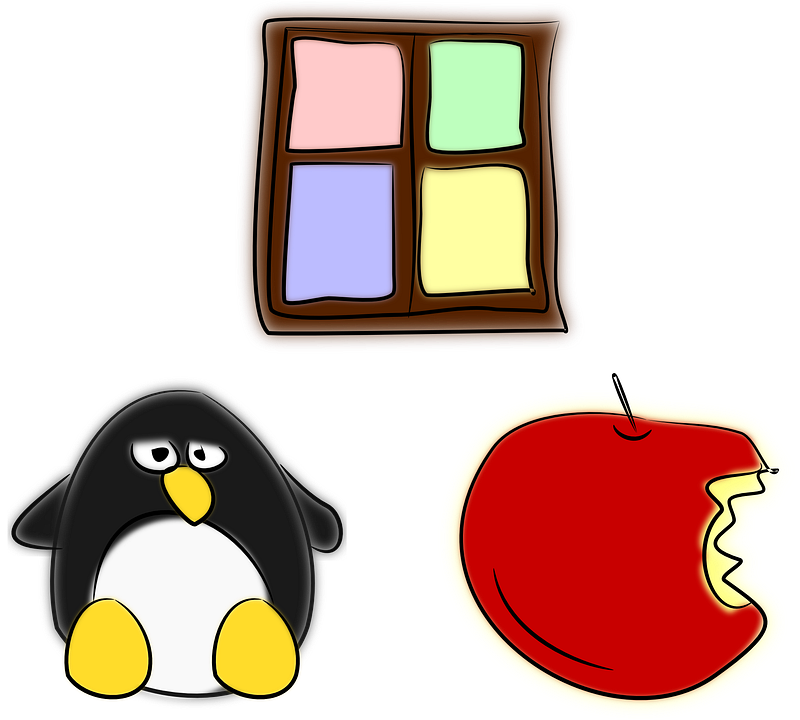
The world at large is driven by a non-autistic majority, which runs on, let’s say, a Windows operating system. Windows is well-known to have certain pros and cons. It comes with certain functions and utilities built into the OS itself, and there are plenty of third-party software apps for it.
The world at large also seems to view the Autism Spectrum as an “app” that runs in this otherwise Windows-based system. In fact, some see autism as more like a virus that gets into the otherwise-healthy system and corrupts it, rendering some of the OS utilities nonfunctional or slow as molasses.
Cue the Glitch Art*.
Autism is its own operating system.
In truth, autism is not an app. It’s actually an “OS” of its own. Litmus test: if the autism could be somehow stripped away, the person would not function the same. Not only that, they wouldn’t even be the same person. The essence of their very personality would be completely altered.
The autism itself is hardwired into the brain, influencing its functions at the root level, and cannot be removed without fundamentally changing the person.
Computer aficionados have long locked horns in a spirited debate over which OS platform is better: Windows/PC, Apple/Mac, or a hip Linux distro? Your pick.
If the non-autistic population runs on “Windows”, then certainly the autistic population could be viewed as more of a Linux distro. Each population/operating system has its perks and drawbacks. Each has its fortes and limitations. Each has various software (apps or utilities) written for it.
But the populations/operating systems have their differences, too. Not all are created equal. Some will have software/apps that others don’t; that is to say, non-autistic people will typically have an easier time with certain skills and tasks than autistic people, and vice versa.
Sometimes they’ll read each others’ proverbial “files” (communication), but usually in an incomplete way at best. And sometimes they might not be able to open each others’ files (understand each other) at all. A lot gets lost in translation.
It’s interesting how Linux apps will usually at least make an attempt to open Windows files, but Windows does not extend the same courtesy to files from other operating systems. That’s very much the vibe I’ve gotten from the world at large in which I’m a minority outnumbered by anywhere from 25–99 to 1. I’ve often felt like the onus was on me to be understood, and also to understand others. It was my responsibility, too, to filter my words, suppress my own stims, adapt my way of doing things to the neurotypical yardsticks.
I got used to it and even learned to reach certain levels of success in the neurotypical world, but I can’t say that it didn’t cost me. It’s extremely exhausting.
A little grief for the past, but hope for the future?
It would have been nice if the world would’ve treated me like a Linux machine, understood and accepted to be different, and maybe even connected with other Linux machines, as opposed to subtly and systematically scolding me for not executing Windows boot files and apps I don’t even have and can’t run.
Recognizing that we’re Different Not Less and that we simply run on different operating systems signals true awareness, acceptance,
We need the non-autistic people of the world to become autism spectrum allies. We need these allies to learn to work with us, to become able to meet us halfway in communication and interaction. Speaking for myself once again, I need non-autistic allies to encourage and support our attempt to utilize our own talents and skills. We need the rest of the world to become truly enlightened and to learn to reach out and bond with us, to coexist peacefully with us, without trying to change us, but instead, to learn to be “bilingual”.
Being “bilingual” in this way would be like running an emulator between the operating systems.
And, truth be told, many autistic people are itching to provide help with this! We do indeed have voices, and we’re not afraid to use them.
We just want to be heard.
We want to help.
We want to shine together.
*More on glitch art here.
Access unlimited high-quality content on Medium by becoming a member here! Using this link supports me so that I can keep writing on this site and championing a better world. :)
Thank you so much for reading! ❤


