
Australia’s Deadliest Animals
Extremely beautiful but deadly
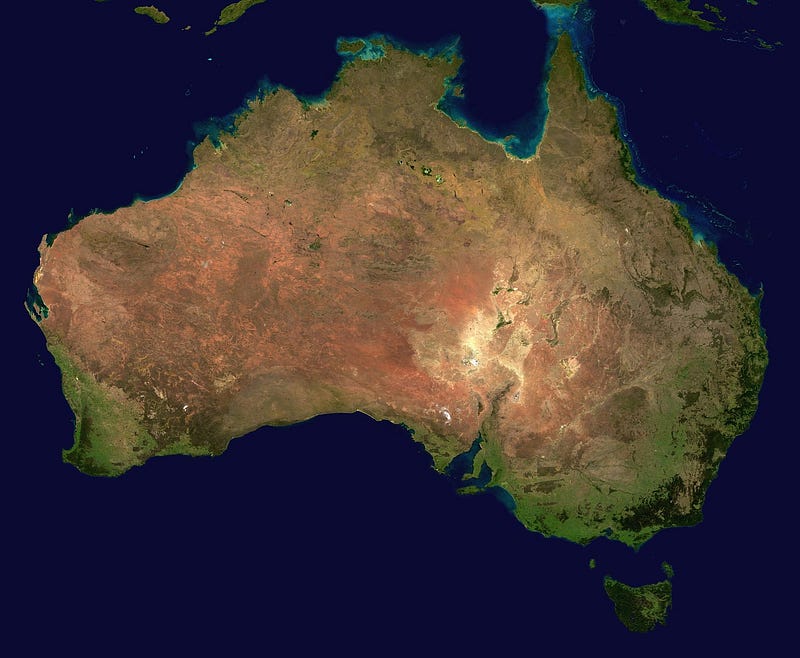
Australia has gained the reputation of hosting some of the deadliest animals known to man and while this may be some-what true, with a little education, care and common sense, there is nothing to fear.
Australia is a beautiful country, albeit with some rugged countryside, alongside some of the most gorgeous natural and scenic landscapes you could imagine in your wildest dreams.
To decide not to travel to our shores because of Australia’s reputation, will see you miss out on a trip of a lifetime. In reality, contact with our deadliest animals, is in fact incredibly rare.
Here is a list of our deadliest animals and their characteristics, to enable you to learn the animals that, although incredibly beautiful, are best left alone, if on the rare occurrence you do encounter such an animal.
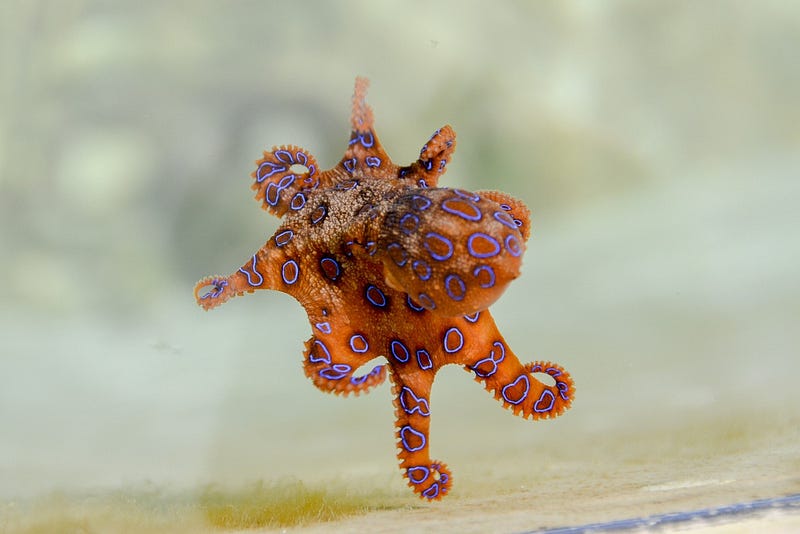
Blue ringed octopus
Timid creatures that live in tidal rock pools and coral reefs, they are known to be, one of the world’s most venomous sea creatures, with enough venom to kill 26 adult humans within minutes.
They are small creatures, about the size of a golf ball, yellow in colour, until they feel threatened or are provoked. It is at this time their characteristic blue rings will be highlighted across their body as a warning to any who threaten them.
Unfortunately, their bites are tiny and painless, at times people are unaware that they have been bitten, until they begin to feel the effects of the venom.
Blue-ringed octopus are docile in nature, unless they are provoked or in danger, with the need to defend themselves.
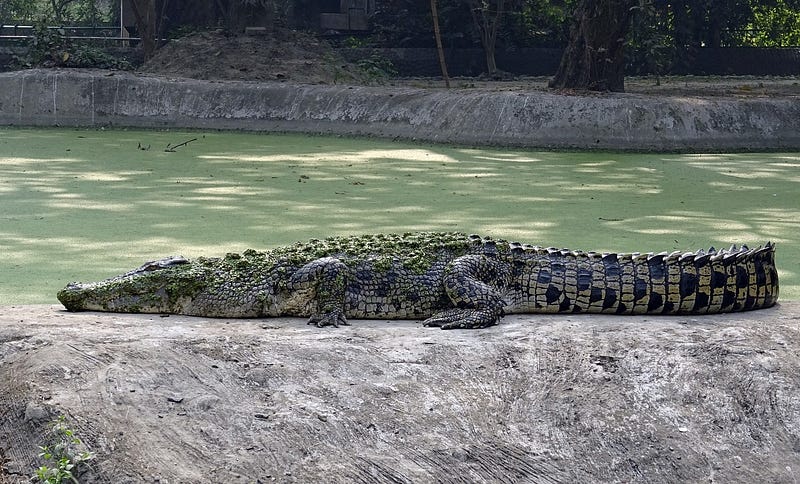
Salt water crocodile
Anyone who has seen an Australian salt water crocodile, often wonders if it has evolved from the dinosaur age. It is known to be the largest living reptile.
They are a massive creature, growing up to 6 metres in length and weighing up to 1,300 kilograms, for the males. Females are often smaller, usually around the 3 metre mark, but just as deadly.
They are cunning creatures, learning the routine of its prey and then patiently waiting, submerged for the perfect ambush. They are able to lay submerged in deep creeks and rivers for hours by lowering their heart beats, and this allows them to stalk and wait for the perfect time to capture their prey.
Don’t let the name fool you, as they are as comfortable in fresh water as they are in salt water.
When in crocodile territory, common sense should tell you to stay out of the water, however other cautionary actions can be taken. For example, if approaching a body of water, say when camping, never routinely approach at the same place each time. Vary your approach, vary the time of day and keep a close eye on any so called ‘submerged logs’.
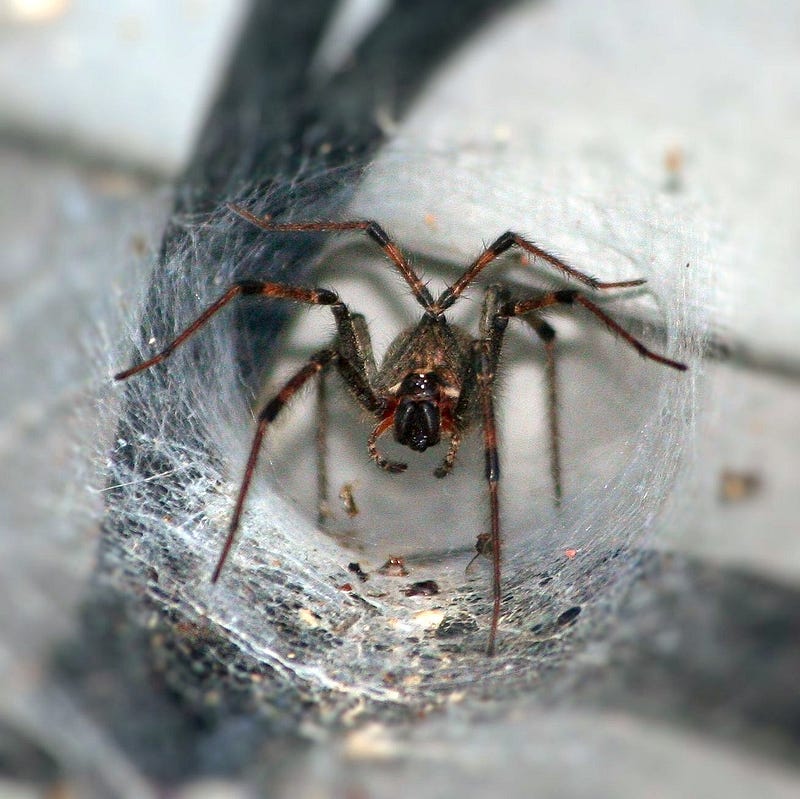
Sydney funnel web spider
This spider is native to eastern Australia and usually only found within a 100 kilometre radius of Sydney, New South Wales. Thereby, unlike other Australian animals, it lessens the risk of encountering.
A Sydney funnel web spider’s bite can cause serious illness or death if left untreated.
Not a small spider, the body ranges up to 5 centimetres and is usually a glossy dark colour. Anything from a blue black to a dark-plum colour and all ranges in between.
Irukandji and Box jellyfish
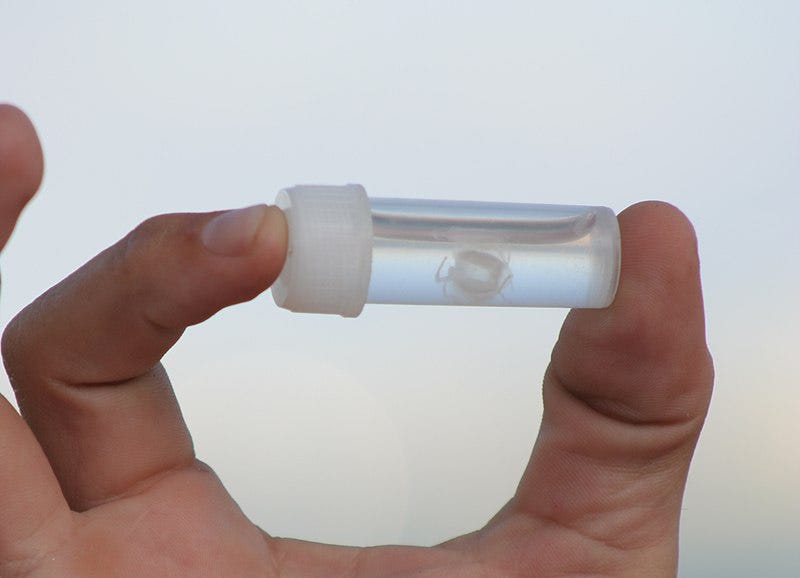
Irukandji jellyfish are extremely small, with adult size around 1 cubic centimetre, but are extremely venomous. They can be found in the northern oceans of Australia.
Unfortunately, not a lot is known about the Irukandji jellyfish because they are so tiny and fragile, but they are characterised by their four tentacles and the halo type rings that surround the tissues of these tentacles.
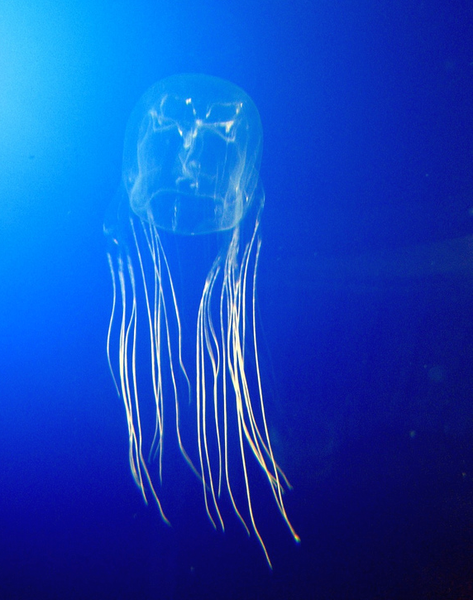
The Australian Box jellyfish is considered the most venomous marine animal in our waters.
Like the Irukandji, these box jellyfish are found in our northern tropical waters but unlike the tiny Irukandji, our Box jellyfish is the largest of the Box jellyfish species. It’s body can reach up to a foot in diameter and it’s tentacles are up to 10 feet long, resembling bootlaces.
During the jellyfish season, it is recommended to stay out of the water or swim in the stinger nets provided. Stinger suits are also another precaution, especially with the Irukandji being so hard to see with the naked eye.
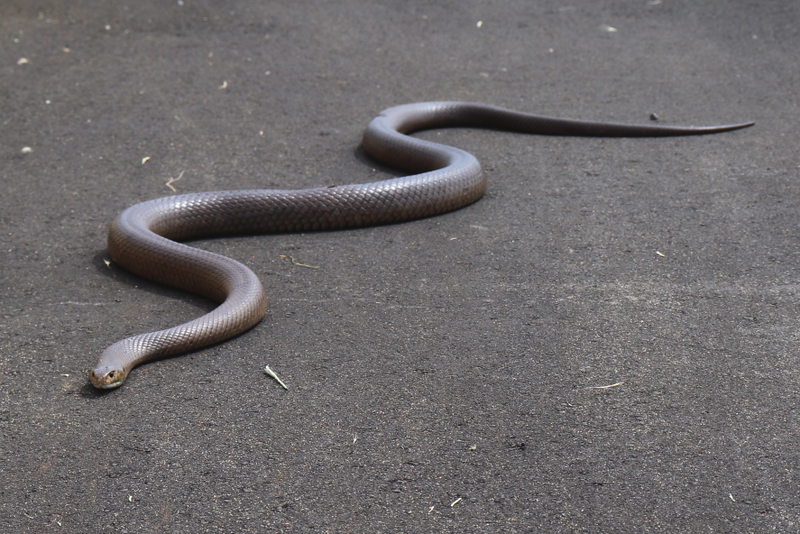
Eastern brown snake
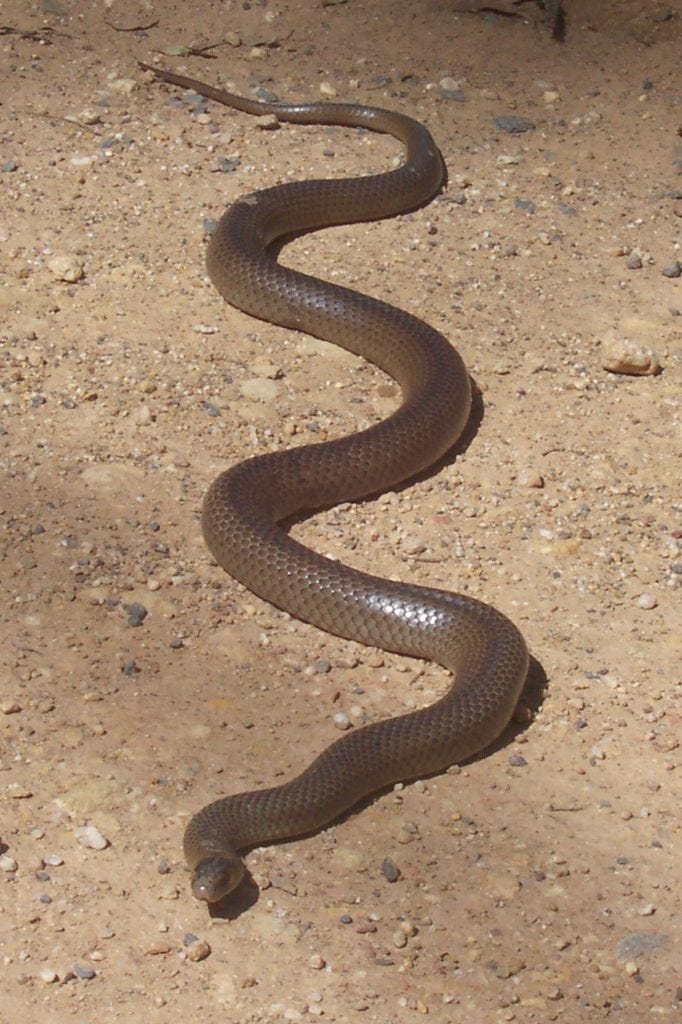
The Eastern brown snake, as the name implies, is found on the east coast of Australia but can also be found in central Australia . It is considered the second most venomous snake in the world and it’s venom is highly toxic to humans, second only to our Inland taipan.
Although called the brown snake, it’s colouring can range from pale brown to black, with a pale creamy yellow underbelly, at times with orange or grey patches and is a slender snake that can reach the length of 2 metres.
On the rare occurrence of crossing the pathway of this snake, stand still, don’t panic and allow it to go along its way. Don’t corner it and common sense should tell you not to provoke it.
In fact, any Australian snake should be treated the same.
Great white shark
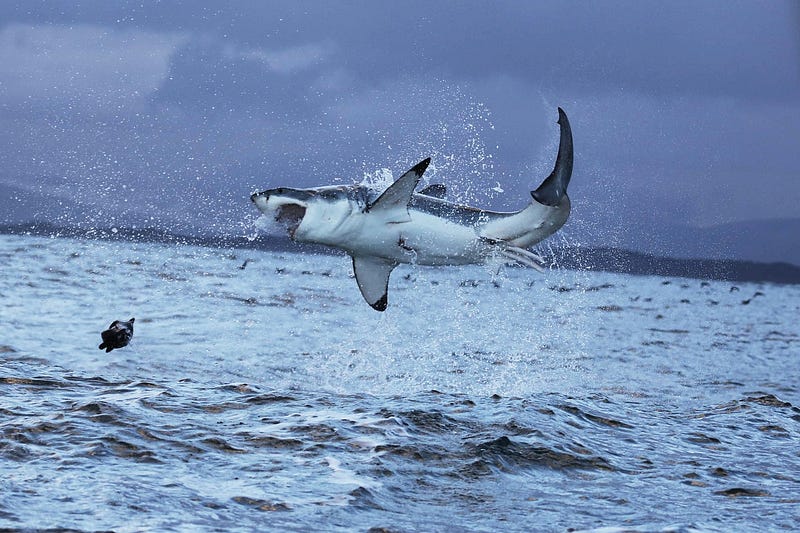
I’m sure not a lot needs to be said for the Great white shark, as most people are aware of this marine animal. It is an apex predator with no known enemies, except the Orca.
The Great white is predominantly grey with a white underbelly and teeth you do not want to see up close.
The females can grow up to 6 metres in length and weigh over 2,000 kilograms. The males are usually smaller at 4 metres.
When swimming in our oceans, please be aware of your surroundings at all times and if the beaches have been closed due to a shark sighting, please take heed. It’s not worth the risk!
Cassowary
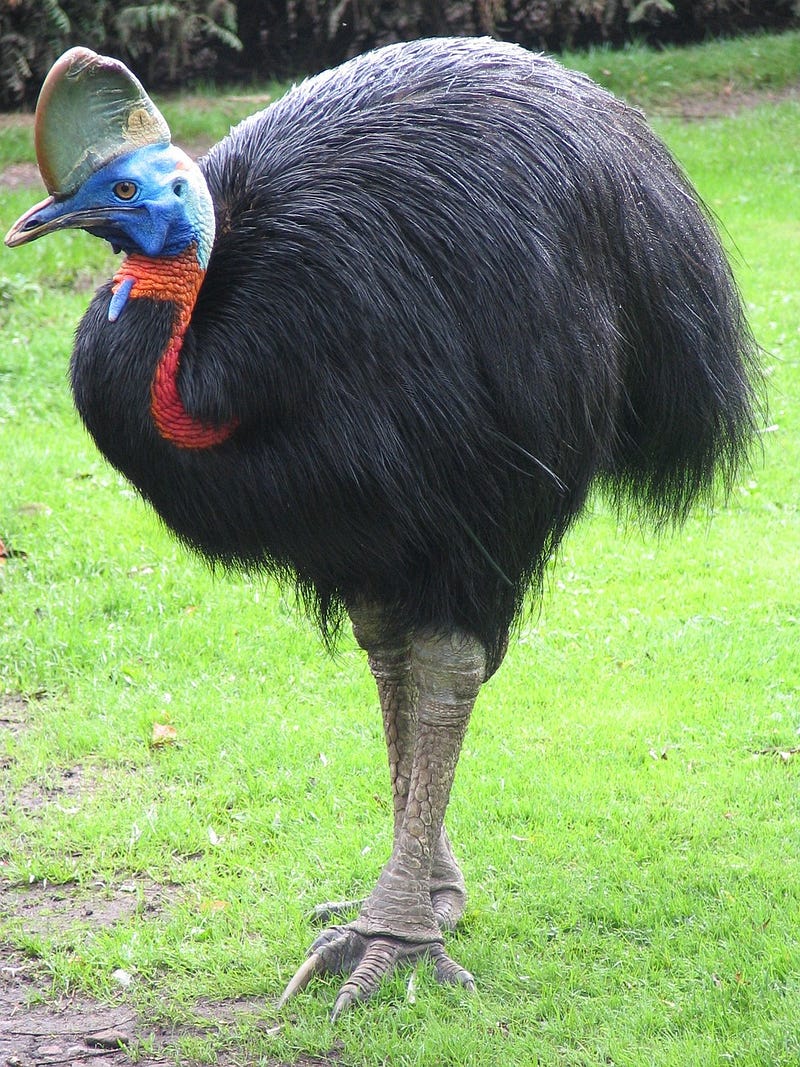
An absolutely stunning bird but one you’ll want to keep your distance from, especially if it has young around. Their deadly claws can do the utmost damage and they are fast to boot, able to run up to 50 kilometres an hour.
They are a flightless bird that can reach the height of 2 metres and weigh over 50 kilograms.
It is the male that incubates the eggs and raises the young. The female lays the eggs, of course, and then disappears about her business, leaving it up to the male to take over the raising of the family.
Stonefish
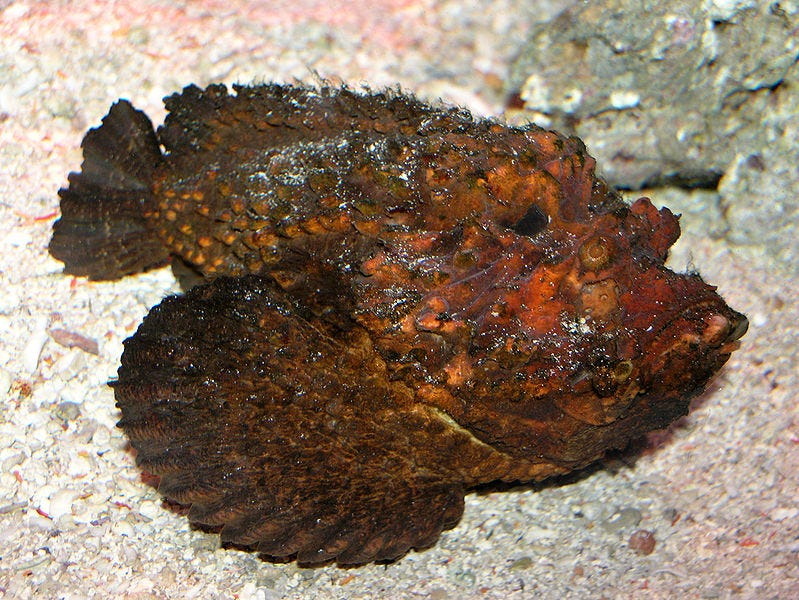
Stonefish are the most venomous fish known to our oceans and they are both dangerous and fatal to humans.
In Australia most stonefish stings occur due to stepping on the fish, incurring a sting with venom delivered via its spines.
Unfortunately they are not easy to see in the rock pools, around the reef or even on the beach, where they can last out of water for up to 24 hours. They are camouflaged by looking like rocks or reef coral.
An awareness of your surroundings is a must.
Bull shark
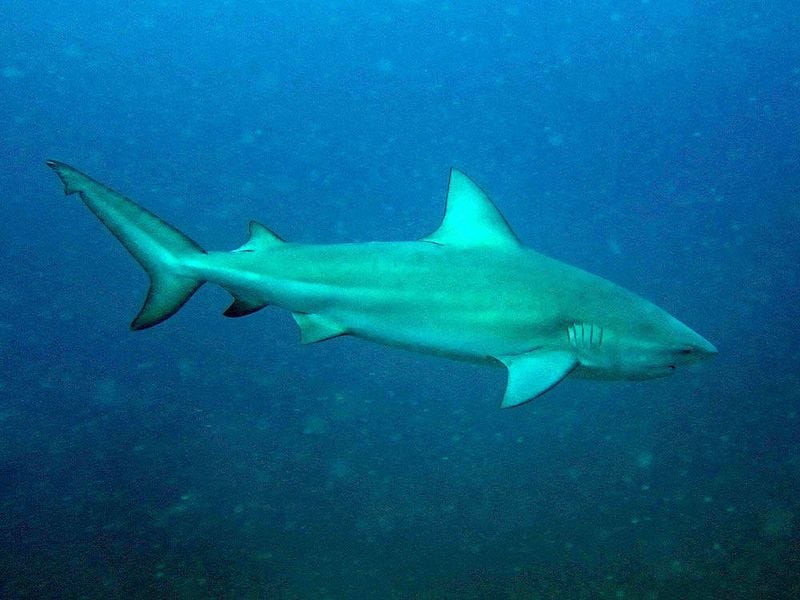
Now this shark, to me, is far more fearful than the Great white, because it can be found in our rivers and our oceans, as it can survive in fresh and salt water, and it is an extremely aggressive species.
I live in Brisbane, the capital city of Queensland and we wouldn’t dream of swimming in the Brisbane River, knowing that it’s a common habitat for Bull sharks. We’ll canoe or kayak the river but swimming is a no!
Adults can reach lengths of 2.4 metres and weigh up to 95 kilograms. Like the Great white, the male is usually smaller than the female.
If you’re unsure while viewing our lovely country, always ask a local if it’s safe to swim in the area.
Inland and Coastal taipan
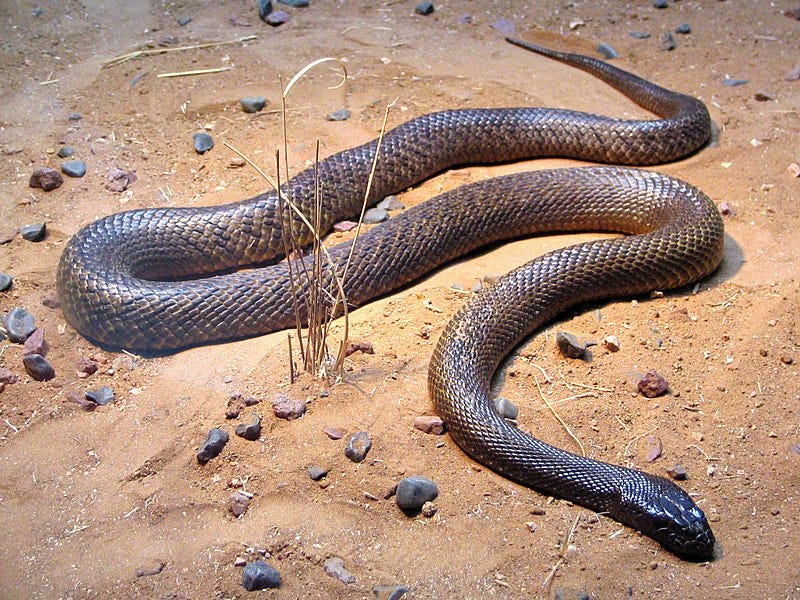
The Inland taipan, also known as the Fierce snake, is by far the most toxic of any snake in the world, even more so than any of the sea snake species. One bite has the lethality to kill, at the very least, 100 adult humans.
Thankfully it does live in the remote areas of Australia and thereby rarely comes into contact with humans. It is known as a shy, docile snake but don’t be fooled, it will strike if provoked. The name Fierce snake relates to its venom potency and not its temperament.
The Coastal taipan, on the other hand, is considered more dangerous as it is known for its aggression and as it lives in similar areas to us, it is encountered far more often than the Inland taipan. The Coastal taipan is the third most venomous land snake in the world.
As previously mentioned, the Inland taipan is the first, the Eastern brown the second, followed by the Coastal taipan in third place.
Dugite
So the central and east coasts have their dangerous snakes as already listed above, the west coast also has theirs. The Dugite is a potentially lethal snake native to Western Australia.
The Dugite ranges in colour from grey, brown through to green and can therefore be difficult to identify. They are a long slender snake reaching lengths of 2 metres and their most distinguishing characteristic is the small head, very indistinct from its neck.
Like any of Australia’s snakes, keep clear whenever possible and if encountered, stay calm and still, until the snake has meandered on its way.
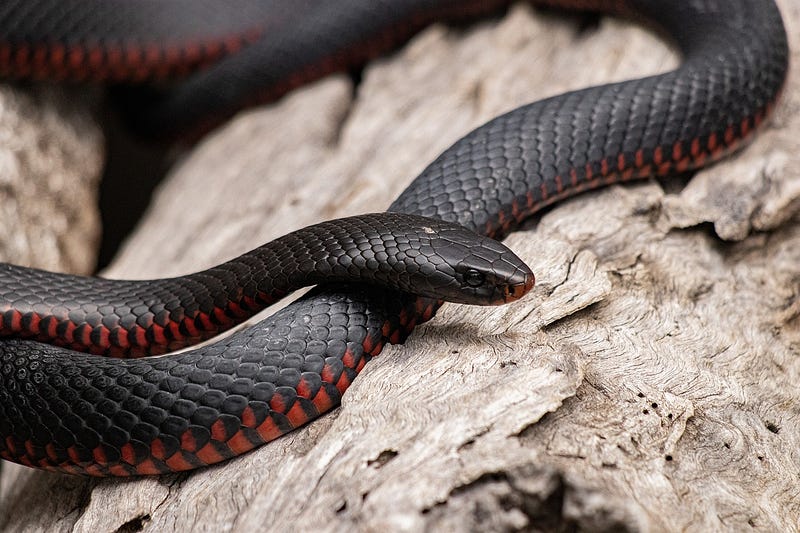
Red-Bellied black snake
This snake is truly a beautiful specimen but don’t let that fool you. It is one of our most commonly encountered snakes and although there’s been no deaths recorded, it is still a venomous snake to be wary of.
The Red-bellied black snake, is as its name applies, a black snake with a red or pink underbelly. It will typically grow to about 1.25 metres in length.
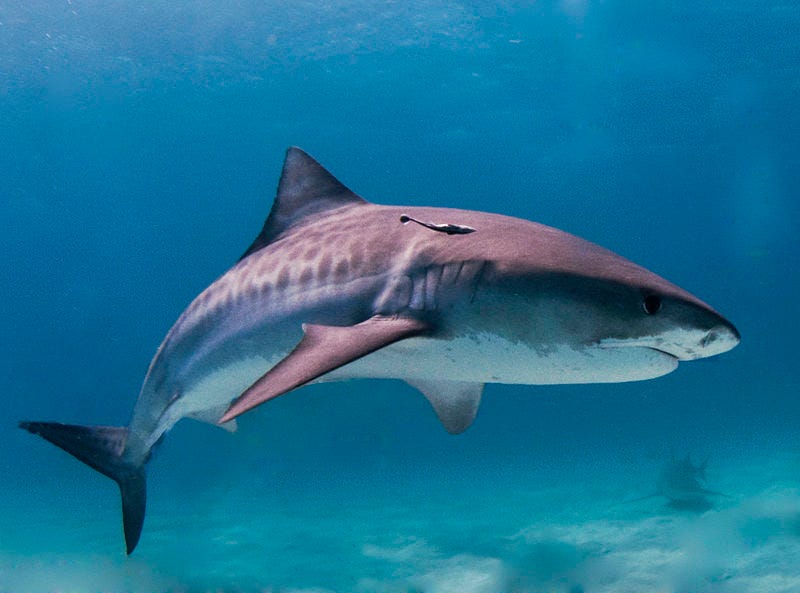
Tiger shark
As if having the two previously mentioned dangerous sharks inhabit our waters isn’t enough, we also home the Tiger shark.
A solitary creature, it is second only to the Great white in attacks on humans, but even then it is quite rare. Still one to be wary of though.
Tiger sharks can attain a length of over 5 metres and has the reputation of a ‘garbage eater’, as it’s truly not fussy.
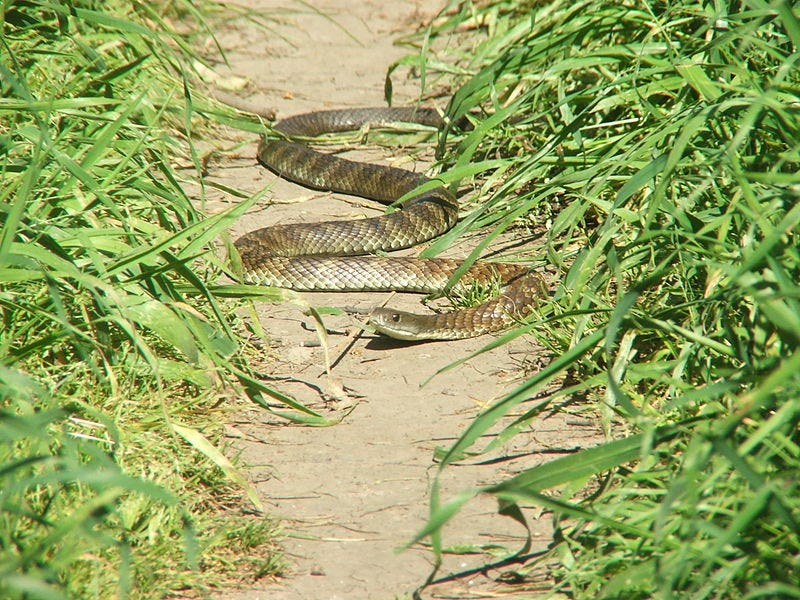
Tiger snake
In case you haven’t gotten enough of our snakes as yet, Australia is also home to the Tiger snake.
Called a Tiger snake because of their black and yellow banding, like a Tiger, however they can be highly variable in their patterning and colouration. Their underbelly is usually a light yellow or orange.
Growing to 1.2 metres in length, their venom is potentially fatal to humans.
Redback spider
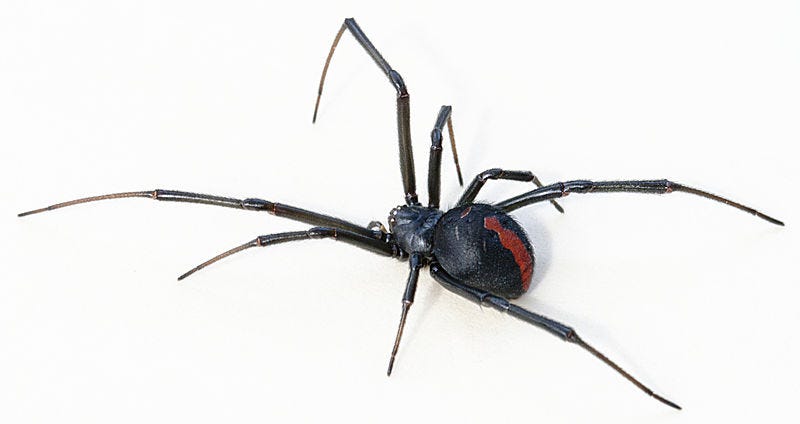
Last but not least, is our Redback spider, also known as the Australian black widow.
The female of this species is very recognisable with her hour glass black body, decorated with its red stripe on her abdomen. Reaching a body length of 10 millimetres, she is a highly venomous spider. Her male counterpart is fully black and considerably smaller at 4 millimetres.
Small but packs a powerful punch.
This article is not intended to scare you from visiting our beautiful country, but instead hoping to educate, in an effort to quell your fears. There is nothing worse than the fear of the unknown.
As mentioned throughout this article, although we do have a fair number of deadly animals in Australia, they are rarely encountered, especially by tourists. If however, you were to encounter any of these animals, it’s important to stay calm, don’t provoke and obtain medical attention in the very small chance that you suffer a sting, bite or attack.
Please know that Australia really is a truly beautiful country, a large country, that can cater to everyone’s ideal holiday destination.
We hope to see you visit soon.
Thank you for reading.
If you liked this piece, you may also like this one.
Become a Medium member to read unlimited stories from your favorite writers.


.png#mw-jump-to-license)


