avatarJane Frost (Jane Grows Garden Rooms)

Free AI web copilot to create summaries, insights and extended knowledge, download it at here

418

Abstract

ppily in warm climates right up to the tropics, unlike its exotic cousins.</p><p id="dea1">The fruits are large and succulent. Established plants have been reported to yield as much as 3 kilograms (6.6 pounds) of fruit per plant! It typically fruits in Summer and Autumn, but can also fruit sporadically throughout the year.</p><p id="7fa1">Indigenous people also reportedly ate the new shoots and leaves. The fruits ca

Options

n be gobbled raw or used in jams and jellies.</p><p id="491c">There’s a trick to harvesting the fruits. Red doesn’t necessarily mean ripe. In the last 24 hours of development, the fruit almost doubles in size and then it falls into the hand at the slightest touch. If you have to “pick” it, it’s not ready.</p><p id="6bd6">Also available in the United States as the cultivar Raspberry “Queensland”.</p></article></body>

©Jane Frost

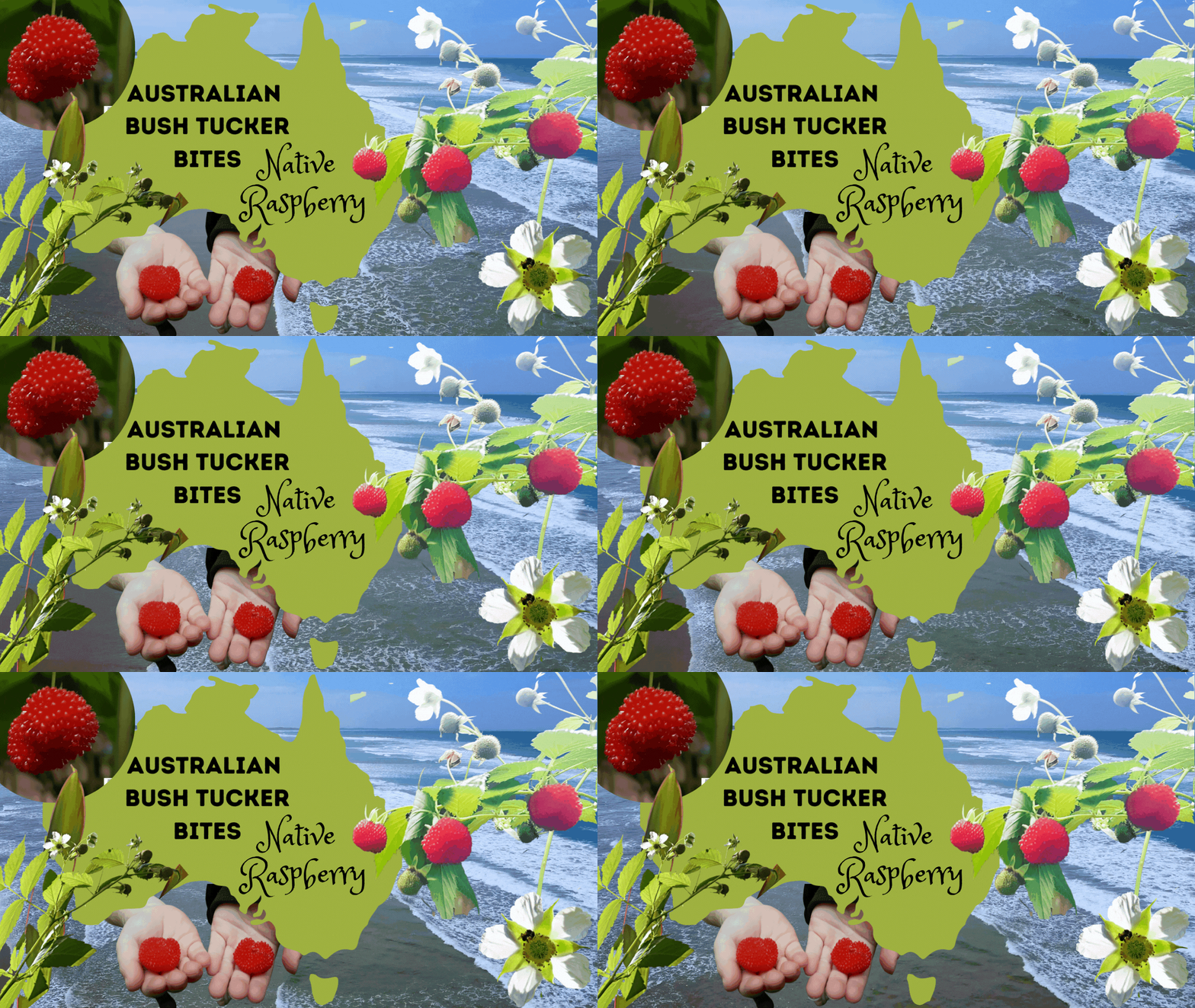
Australian Bush Tucker Bites presents Native Raspberry (Rubus probus).

This species (aka Atherton Raspberry) grows happily in warm climates right up to the tropics, unlike its exotic cousins.

The fruits are large and succulent. Established plants have been reported to yield as much as 3 kilograms (6.6 pounds) of fruit per plant! It typically fruits in Summer and Autumn, but can also fruit sporadically throughout the year.

Indigenous people also reportedly ate the new shoots and leaves. The fruits can be gobbled raw or used in jams and jellies.

There’s a trick to harvesting the fruits. Red doesn’t necessarily mean ripe. In the last 24 hours of development, the fruit almost doubles in size and then it falls into the hand at the slightest touch. If you have to “pick” it, it’s not ready.

Also available in the United States as the cultivar Raspberry “Queensland”.

Walkabout
Bush Tucker
Bush Foods
Australia
The Daily Cuppa
Recommended from ReadMedium