avatarJane Frost (Jane Grows Garden Rooms)

Summary

The undefined website article introduces the Blue Tongue Plant (Melastoma affine), a bush tucker plant known for its beautiful flowers, edible fruits, and ability to attract native bees, with a recent reclassification to Melastoma malabithricum and traditional medicinal uses in Malaysia.

Abstract

The Blue Tongue Plant, featured by Australian Bush Tucker Bites, is a versatile and beneficial plant for gardens, particularly for those looking to attract bees. It is named for the blue tongue effect caused by consuming its ripe berries, which are a favorite among children for their fun, albeit bland, taste. The plant is native to tropical Australia and is also found throughout Asia, reaching India. It has been traditionally used in Malaysian herbal medicine to treat a variety of ailments. The young leaves and shoots are edible, either cooked or raw, and offer a pleasant sour flavor. The article recommends it as a top choice for a bush tucker garden that supports local fauna.

Opinions

  • The author expresses enthusiasm for the Blue Tongue Plant, highlighting its joy-inducing qualities.
  • The plant is highly recommended by the author for those interested in creating a bush tucker garden that also attracts bees.
  • The author's children enjoy the berries for the novelty of their effect on tongue color, indicating a family-friendly appeal.
  • The article suggests that the plant's young leaves and shoots are enjoyable, with a particular appreciation for their sour taste as noted in Singaporean anecdotes.
©Jane Frost

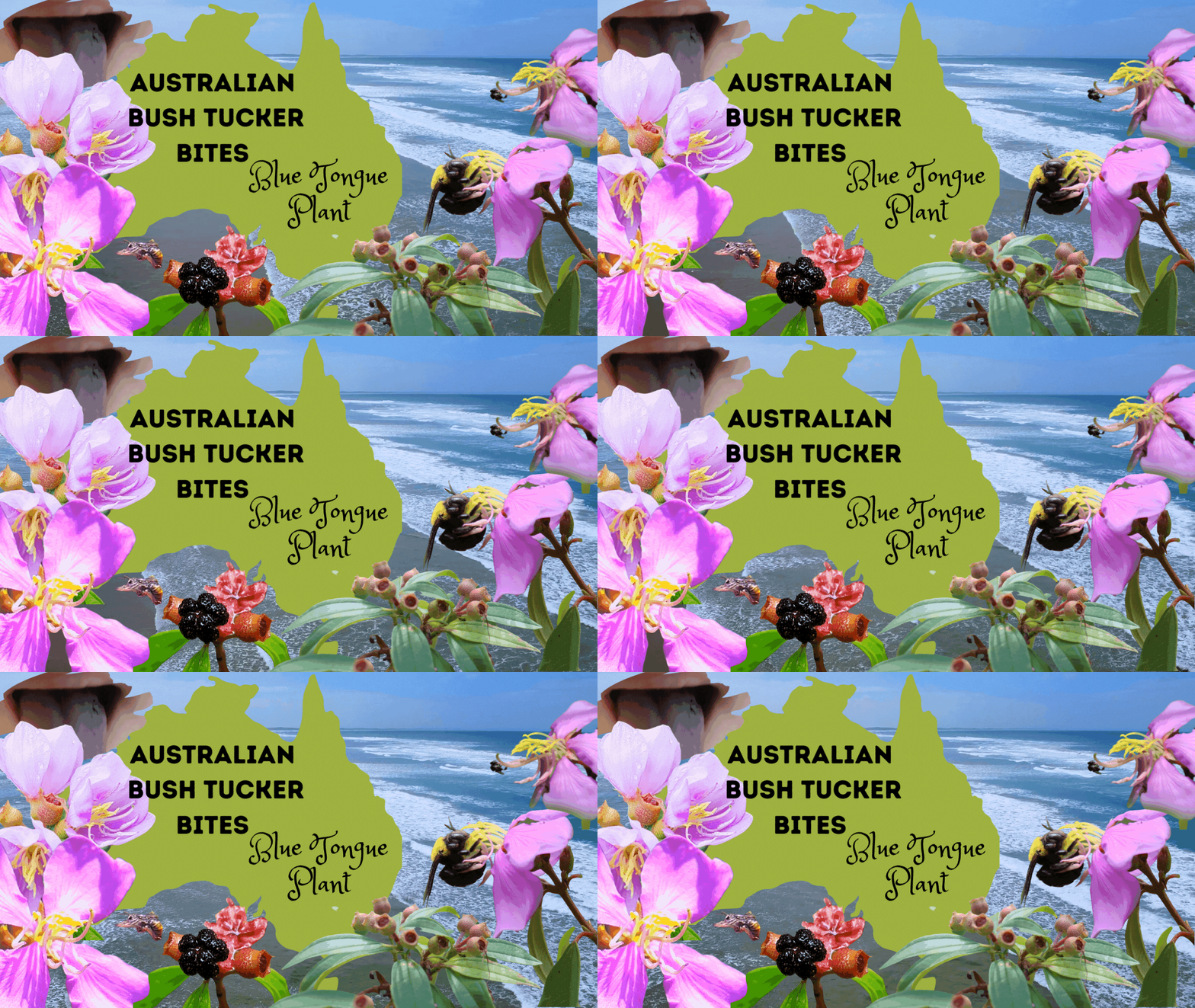
Australian Bush Tucker Bites presents Blue Tongue Plant (Melastoma affine).

Oh the joy from this plant! Not only does it have beautiful flowers and edible fruits, it attracts a plethora of native bees. It’s my first recommendation to people wanting a bush tucker garden that attracts bees.

It is called the Blue Tongue Plant because the ripe berries give one a blue tongue. My children love them! Taste-wise they are a little bland, but it’s the tongue colour that attracts them.

This marginal rainforest plant is native to tropical Australia and up through Asia to India. It has recently been reclassified as Melastoma malabithricum.

In Malaysia, it is a part of herbal lore, claiming to treat conditions such as dysentery, toothache, cuts, wounds, and diarrhea amongst others.

Young leaves and shoots can be eaten cooked or raw and have a pleasant sourness, according to Singaporean anecdotes.

Walkabout
Bush Tucker
Plants
Australia
Gardening
Recommended from ReadMedium