Auras and Chakras: Myths or Medicine?

The terms auras and chakras are often used in the context of alternative medicine, metaphysics, and spirituality. It is believed that they are unseen energy fields and centers that surround and penetrate the human body.
It affects numerous aspects of a person’s health and well-being. Now the question arises whether these concepts have any medical relevance or not. This article is designed to find out the origins and evidence of auras and chakras and observe their implications for medicine and health care.
A Brief Introduction to Auras and Chakras
The word “aura” originated from the Greek word meaning “breeze” or “air”. It refers to luminous radiation that emits from a person or an object. Some traditions of Hinduism, Theosophy, and Buddhism say that aura is made up of several layers or bodies, each matching with a different intensity of consciousness or vibration.
It is believed that auras reflect a person’s emotional, mental, and spiritual condition. Clairvoyants or special devices are used to perceive them. Moreover, the auras’ shapes and colors are considered to disclose the information relevant to an individual’s mood, health, personality, and strength.
“Chakra” comes from the Sanskrit language meaning “wheel” or “disk”. This term refers to a spinning whirlpool of energy, located along the spine or in front of the body.
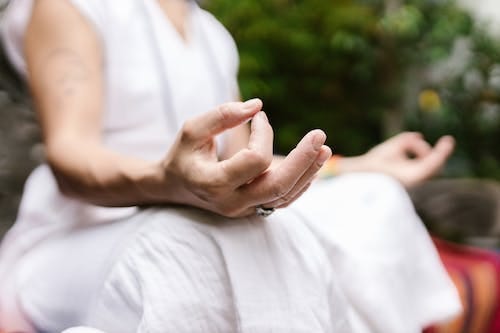
Seven major chakras, corresponding to different versions of an individual’s mood, mental, physical, and spiritual well-being are known in the traditions of Hinduism, Buddhism, and Tantra. Chakras are said to control the flow of life force within the body. They are known to be activated, healed, and balanced by the following methods:
· Yoga
· Meditation
· Crystals
· Sound
· Energy work
Chakras are also believed to be linked with different colors, symbols, functions, and elements.
Is There any Scientific Evidence of Auras and Chakras?
The mainstream of science and medicine does not recognize auras and chakras. No conclusive or convincing evidence is available to prove the existence or effects of this particular belief. Most of the claims and testimonies about them are based on the following:
· Cultural impacts
· Personal beliefs
· Psychological phenomena, such as pareidolia, hallucination, or synesthesia.
Biofeedback, electrodermal activity, and Kirlian photography are some of the devices that are used to measure or show auras and chakras. As they can get easily manipulated by external factors, like pressure, temperature, or humidity, they are not considered valid methods today.
Findings of Researches
Some research has been done to study the auras and chakras phenomena from a scientific aspect. They came out with the following interesting facts:
· Some studies found that certain chakras, including the heart, forehead, and throat emit higher levels of electrical, magnetic, and light energy than other parts of the body. These emissions also vary with a person’s mental and emotional state.
· Some other studies have also found that the colors of auras also resonate with chakras, and they can be influenced by the personality, health, and mood of a person.
· Besides these studies, some other studies claim that sound and energy healing can have positive effects on the chakras and can improve the physical, emotional, and mental well-being of a person.

Implications of Auras and Chakras for Medicine and Health Care
Auras and chakras, not recognized by conventional medicine are not guaranteed to improve one’s quality of life. There is no existing scientific proof that they can diagnose, prevent, or treat any pathology.
Some expensive and deceptive practices, such as aura photography, psychic readings, or chakra balancing. These practices are also known to exploit a person’s vulnerability and ignorance.
Whereas, auras and chakras can be seen as a type of complementary or consolidative medicine or health care. They offer a holistic and personalized approach to medicine or healthcare. They can be used as a supplement to conventional medicine or health care.
They can address the psychological, emotional, and spiritual aspects of the person that are often neglected. They can enhance a person’s self-awareness, self-regulation, and self-care, and foster an optimistic attitude towards life and health.
Conclusion
Auras and chakras, the ancient concepts, have been revived and spread in today’s world. Their existence is not supported by the scientific evidence. They are mostly based on personal beliefs and cultural facts. However, some researchers study that auras and chakras can be used as a form of complementary or integrative medicine and health care.
They can improve communication, rapport, and trust between an individual and a healthcare provider. They enhance self-care and self-awareness and foster a positive approach towards life and health.
Thank you for giving us your precious time. Let us know your thoughts on auras and chakras.