
Augmented Reality: The True Game Changer
“Imagination is the only weapon in the war against reality.” ― Lewis Carroll
Augmented reality (AR) is a rapidly evolving technology that has the potential to change the way we live, work, and play. By overlaying digital information and visualizations onto the real world, AR can enhance our experiences and provide new ways of interacting with our surroundings.
In this article, we will explore the most impactful use cases of AR for both businesses and consumers. From retail and real estate to education and healthcare, we will see how AR is being used to revolutionize industries and improve our daily lives. We will also delve into the differences between AR and virtual reality (VR) and discuss why AR is particularly well-suited for certain applications.
So put on your AR glasses (or just grab your smartphone) and join us on a journey to discover the future of augmented reality.
AR vs VR
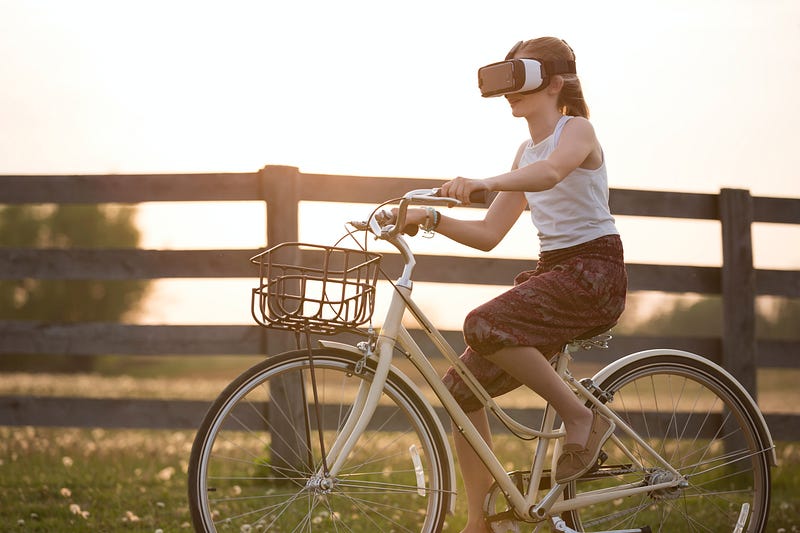
Augmented reality (AR) and virtual reality (VR) are often used for similar purposes, such as creating immersive learning experiences or assisting with tasks. However, there are some key differences between the two technologies that make AR more suitable for certain use cases:
- Interactivity: AR allows users to interact with the real world, whereas VR completely immerses users in a virtual environment. This makes AR more suitable for use cases where users need to interact with their surroundings, such as in retail or manufacturing.
- Cost: AR technology is generally less expensive than VR technology, as it requires less hardware (e.g., VR headsets). This makes AR more accessible for businesses and consumers.
- Ease of use: AR can be used with a smartphone or tablet, making it more convenient and easy to use than VR, which often requires specialized hardware.
- Context: AR can provide relevant information and visualizations in context to the user’s real-world environment, making it easier for users to understand and learn. This is particularly useful in education and healthcare applications.
That being said, VR has its own unique advantages and is well-suited for certain use cases, such as creating highly immersive experiences or allowing users to visit virtual environments that would be impractical or impossible in the real world.

Retail: The Future of Shopping
Augmented reality has the potential to revolutionize the retail industry by enhancing the shopping experience for customers. In this chapter, we will explore how AR is being used in retail to allow customers to virtually try on clothes, makeup, and accessories, as well as create interactive in-store experiences.
Imagine being able to virtually try on clothes, makeup, and accessories without ever having to visit a fitting room. This can be especially useful for online shopping, as it can help customers make more informed purchasing decisions and reduce the need for returns. In addition, retailers can use AR to create interactive in-store experiences, such as virtual product demonstrations or personalized style recommendations.
AR is also being used to improve the in-store shopping experience by providing customers with real-time information and assistance. For example, customers can use AR to locate products in a store or to receive personalized product recommendations.
As we continue to explore the impact of AR on different industries, let’s transition to the next chapter and see how it is changing the real estate industry.
Real Estate: Virtual Home Tours
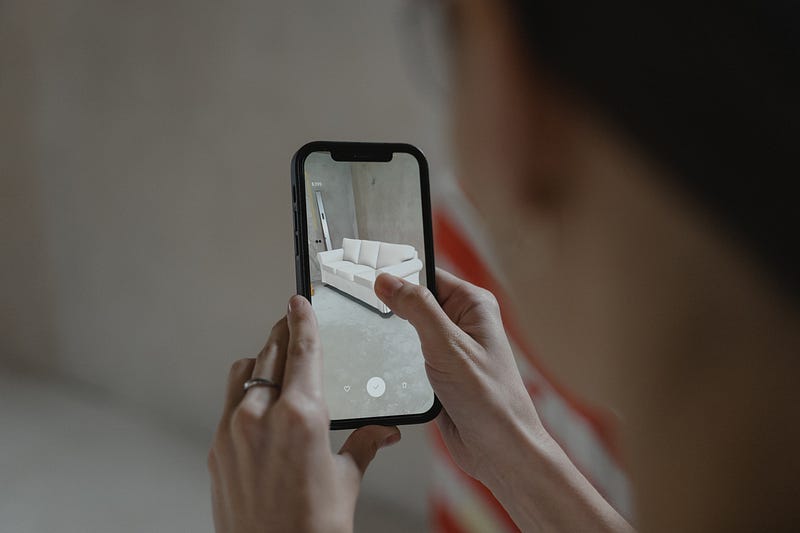
In the real estate industry, augmented reality is being used to give potential buyers a virtual tour of a property, allowing them to visualize how furniture and decor would look in the space. In this chapter, we will see how AR is changing the way we view and buy properties.
By using AR, potential buyers can get a virtual tour of a property, allowing them to visualize how furniture and decor would look in the space. This can save time and money for both buyers and sellers, as it reduces the need for multiple in-person viewings. AR can also be used to visualize renovations and design changes, giving buyers a better understanding of what a property could look like after making updates.
The use of AR in real estate is not limited to buyers, however. It can also be used by agents to create virtual open houses or to give virtual tours to out-of-town buyers.
Now that we’ve seen how AR is changing the real estate industry, let’s move on to the next chapter and see how it is being used in education.

Education: Immersive Learning Experiences
Augmented reality has the potential to create interactive and immersive learning experiences for students. In this chapter, we will see how AR is being used in education to enhance traditional teaching methods and create new ways of learning.
Students can use AR to explore virtual science labs or historical sites, allowing them to interact with and learn about concepts in a hands-on way. AR can also be used to enhance traditional teaching methods, such as by displaying interactive diagrams or animations to help students understand complex subjects.
In addition to being used in the classroom, AR can also be used for distance learning and to create self-guided learning experiences.
Next, we will see how AR is being used in the healthcare industry to improve patient outcomes.
Healthcare: Improving Patient Outcomes
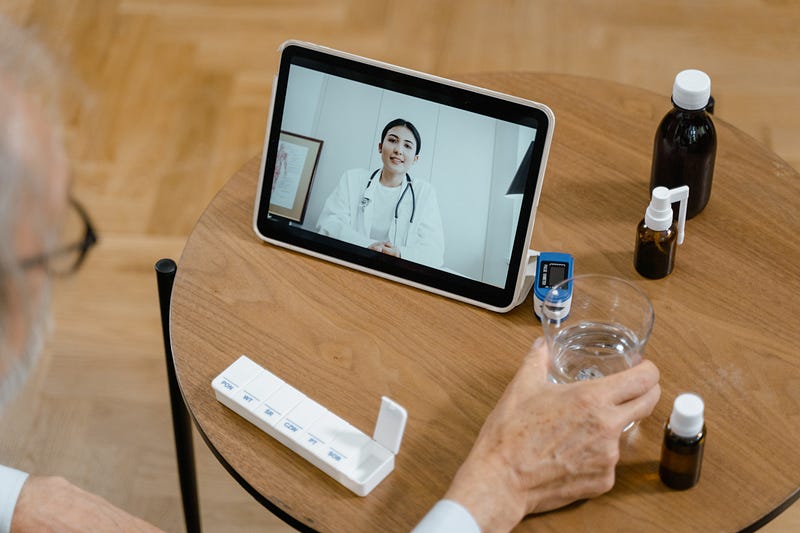
Augmented reality is being used in the healthcare industry to train medical professionals and assist in surgeries. In this chapter, we will see how AR is being used to improve patient outcomes and the way healthcare is delivered.
Doctors can use AR to practice procedures or to receive real-time guidance during an operation. AR can also be used to help patients better understand their treatment options by displaying 3D models of the body and demonstrating how different procedures would be performed.
In addition to its use in training and surgeries, AR can also be used to improve patient care in other ways. For example, AR can be used to provide real-time information to healthcare professionals, such as patient vital signs or medication lists. It can also be used to create immersive rehabilitation programs for patients recovering from injuries or surgeries.
Now that we’ve seen how AR is being used to improve patient outcomes in the healthcare industry, let’s move on to the next chapter and see how it is being used in manufacturing.
Manufacturing: Improving Efficiency and Accuracy
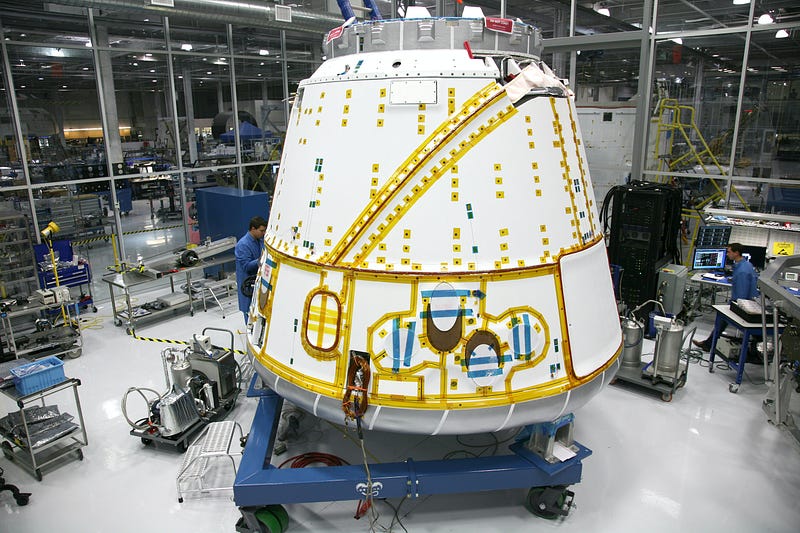
In the manufacturing industry, augmented reality can be used to assist with assembly and repair tasks by providing real-time instructions and information to workers. In this chapter, we will see how AR is being used to improve efficiency and accuracy in manufacturing.
By providing workers with real-time instructions and information, AR can improve efficiency and reduce the risk of errors. It can also be used for training purposes, allowing new employees to learn and practice tasks in a simulated environment before working on live equipment.
In addition to being used on the factory floor, AR can also be used in design and prototyping to visualize and test new products. This can reduce the need for physical prototypes and streamline the design process.
The Future Is Now
In this article, we have explored the most impactful use cases of augmented reality for both businesses and consumers. From retail and real estate to education and healthcare, we have seen how AR is being used to revolutionize industries and improve our daily lives.
We have also looked at the differences between AR and virtual reality and discussed why AR is particularly well-suited for certain applications. By allowing users to interact with the real world and providing relevant information in context, AR has the power to enhance our experiences and provide new ways of interacting with our surroundings.
As AR technology continues to evolve, we can only imagine the new and innovative ways it will be used in the future. If you have any further questions about AR or would like to discuss how it could be used in your industry, please don’t hesitate to get in touch!