
avatarRodolfo Anes Silveira, PhD

Free AI web copilot to create summaries, insights and extended knowledge, download it at here

3377

Abstract

to which we willingly plunge ourselves is part of the subterranean river we navigate every day, watching (with amazement) the aggravating effect of the magnifying glass on the glass walls of this aquarium we call the world.</p><figure id="35ca"><img src="https://cdn-images-1.readmedium.com/v2/resize:fit:800/0*s2wOs94sQYc0CWhN"><figcaption>Photo by <a href="https://unsplash.com/@enginakyurt?utm_source=medium&amp;utm_medium=referral">engin akyurt</a> on <a href="https://unsplash.com?utm_source=medium&amp;utm_medium=referral">Unsplash</a></figcaption></figure><p id="826d">Perhaps a blind man is the only one who can grasp the essence of this invisible reality, perhaps because he is not so distracted by the constant visual excitement: What he grasps of the reality we speak of is only part of the spectrum of available information.</p><p id="dd3b">In view of this, and with due caution in analyzing this conclusion, we could even say that we, too, are in the same situation as our dear blind friend: due to the abundance of information and the limited choice of content that we consciously or unconsciously encounter, we see only a small gap in the reality that surrounds us at all times. Therefore, we can enjoy a collective blindness, as <a href="https://literariness.org/2022/10/09/analysis-of-jose-saramagos-blindness/">José Saramago suggests in his essay on blindness</a>.</p><figure id="2992"><img src="https://cdn-images-1.readmedium.com/v2/resize:fit:800/0*c61OgOQrq7Mhd6io"><figcaption>Photo by <a href="https://unsplash.com/@oscartothekeys?utm_source=medium&amp;utm_medium=referral">Oscar Keys</a> on <a href="https://unsplash.com?utm_source=medium&amp;utm_medium=referral">Unsplash</a></figcaption></figure><p id="f77d">An ancient Hindu legend (of the blind men and the elephant) describes what we just talked about with metaphorical effectiveness. Read on:</p><p id="6f42">“Many years ago in India there lived a wise and highly educated king. He had read all the books of his kingdom. His knowledge was as numerous as the grains of sand in the river Ganges. To please the king, many subjects and ministers devoted themselves to studying the ancient books. But they constantly argued about who was the most knowledgeable, intelligent and wise. Each believed that he was the master of truth and constantly belittled the others.</p><p id="5809">The king, saddened by this intellectual rivalry, decided to teach them a lesson. He had everyone gathered in the palace to witness the scene that was about to take place. In the middle of the palace stood some elephants, majestically decorated. Suddenly, the king ordered the soldiers to let in a group of people who had been born blind.</p><p id="fa04">The soldiers obeyed the royal order and led the blind men to the elephants and showed them the animals by guiding their hands. One of the blind men grasped the leg of an elephant, another the tail, another the belly, another the back, another the ears, another the teeth, and another the trunk.</p><figure id="4d8a"><img src="https://cdn-images-1.readmedium.com/v2/resize:fit:800/0*DIPEYhdkUh9IfegY"><figcaption>Photo by <a href="https://unsplash.com/@krewellah87?utm_source=medium&amp;utm_medium=referral">Andrea Tummons</a> on <a href="https://unsplash.com?utm_source=medium&amp;utm_medium=referral">Unsplash</a></figcaption></figure><p id="b996">The king asked e

Options

veryone to examine their part thoroughly with their hands. Then he asked them to come to him and asked them: — what does an elephant look like?</p><p id="a6a0">A fierce argument broke out between the blind men.</p><p id="c7e2">The one who had the leg in his hand answered:</p><p id="ff3f">- the elephant is like a round, heavy column.</p><p id="a8ab">Wrong, interfered the blind man who held the tail. The elephant is like a broom with a flexible handle.</p><p id="6a84">Absurd, cried the one who touched his belly, he is a bent wall and his skin is like a drum.</p><p id="9c79">You did not understand anything, mocked the blind man who touched his back. The elephant looks like a bulging, very high table.</p><p id="7d56">It’s like a round, very thick flag that’s constantly moving;</p><p id="fac4">Well, I do not agree with any of you,” said the blind man who had been examining an ivory tooth. It is long, thick and pointed, strong and rigid like horns.</p><p id="e448">I am sorry to say that all of you are wrong,” said the one holding the trunk. The elephant is like the snake, but it floats in the air.</p><figure id="2ea7"><img src="https://cdn-images-1.readmedium.com/v2/resize:fit:800/0*UhkiWYuDjaJqadKB"><figcaption>Photo by <a href="https://unsplash.com/@museumsvictoria?utm_source=medium&amp;utm_medium=referral">Museums Victoria</a> on <a href="https://unsplash.com?utm_source=medium&amp;utm_medium=referral">Unsplash</a></figcaption></figure><p id="f565">The king was amused by all the answers and turned to his subjects and ministers and said to them:</p><p id="2a74">Do you see? Each of them has spoken his own truth. And none of these truths answers my question correctly. But if we add up all the answers, we can see the great truth. That is you: you all have your own share of the truth. If you know how to listen to each other and understand each other, and if you look at the world from different angles, you will arrive at knowledge and wisdom.”</p><figure id="f803"><img src="https://cdn-images-1.readmedium.com/v2/resize:fit:800/0*BUWbHq2g-3MnNXAb"><figcaption>Photo by <a href="https://unsplash.com/@picsbyjameslee?utm_source=medium&amp;utm_medium=referral">James Lee</a> on <a href="https://unsplash.com?utm_source=medium&amp;utm_medium=referral">Unsplash</a></figcaption></figure><p id="feb1">Let us believe, as all blind people do, in the possibility of reaching a consensus that the reality we observe emerges from an ethical exchange: from an open, healthy, responsible and necessary dialog in the face of the different perspectives on reality that are increasingly present and visible to us.</p><blockquote id="773c"><p><b>SUPPORT MY WORK — LOVE BIG DREAMS</b></p></blockquote><blockquote id="f389"><p>If any of the extensive work already done has resonated with you, please don’t hesitate to contact me. Perhaps we can develop projects together. By supporting all the work already done and in development, you will support the creation of content in areas related to Cinema, Media Arts, Information Systems and WebScience and Technology.</p></blockquote><blockquote id="0453"><p><a href="https://www.buymeacoffee.com/rodolfoanessilveira">Buy me a coffee</a> or/and <a href="https://www.patreon.com/RodolfoAnesSilveira">Patreon me</a></p></blockquote><blockquote id="aae6"><p>Thank you very much for your support.</p></blockquote></article></body>

blPhoto by Todd Trapani on Unsplash

Attention is Vital in a World Full of Distractions

Why do you need to focus?

When I try to write down a few words that I think define society, I find that many of them are almost always characterized by the distractions we all unconsciously put up with every day. Think of when you take a detour from your daily route — because a construction site: or because you decided to buy a loaf of bread and therefore missed the streetcar; or because the traffic light has turned red and there is a huge billboard next to you for some brand that whets your appetite.

The conscience of society, that is, the interpretation of what we call society, can be full of qualitative features that are poorly read and perhaps even disconnected from the world we call reality.

Photo by Ryoji Iwata on Unsplash

It is said that in the land of the blind, he who has one eye is king. Although the dominance of the visual realm is almost invisible to us, the colorful visual excitement created by the creeping advertising environment is like a vast field full of flowers ready for pollination. Let us see: if it were possible to hear the colours that are (can be) applied to the various products in a supermarket, there would undoubtedly be a chaotic symphony.

Photo by Peter Bond on Unsplash

So I suggest you do this little thought exercise: Think about your daily commute. And wherever you travel, translate the colors into tones and imagine that there is a corresponding scale between the spectra (visual and auditory). Perhaps there are sections that are more monotone, and others where the intensity of beats per second is harmonically difficult to digest.

Let me know if this is the case…

This little exercise makes it easier to think about the intense daily visual overload we all face. So, if you will allow me, I’d like to ask you to do this exercise again out of curiosity. But this time, add to all the colors the advertisements — images and messages — as well as all the information about traffic — street signs, public transportation, pedestrians, citizens of this diverse society — and, for icing on the cake, anything your smartphone puts in front of you.

I think there are some very happy hermits out there. But I think you will agree that the constant cacophony into which we willingly plunge ourselves is part of the subterranean river we navigate every day, watching (with amazement) the aggravating effect of the magnifying glass on the glass walls of this aquarium we call the world.

Photo by engin akyurt on Unsplash

Perhaps a blind man is the only one who can grasp the essence of this invisible reality, perhaps because he is not so distracted by the constant visual excitement: What he grasps of the reality we speak of is only part of the spectrum of available information.

In view of this, and with due caution in analyzing this conclusion, we could even say that we, too, are in the same situation as our dear blind friend: due to the abundance of information and the limited choice of content that we consciously or unconsciously encounter, we see only a small gap in the reality that surrounds us at all times. Therefore, we can enjoy a collective blindness, as José Saramago suggests in his essay on blindness.

Photo by Oscar Keys on Unsplash

An ancient Hindu legend (of the blind men and the elephant) describes what we just talked about with metaphorical effectiveness. Read on:

“Many years ago in India there lived a wise and highly educated king. He had read all the books of his kingdom. His knowledge was as numerous as the grains of sand in the river Ganges. To please the king, many subjects and ministers devoted themselves to studying the ancient books. But they constantly argued about who was the most knowledgeable, intelligent and wise. Each believed that he was the master of truth and constantly belittled the others.

The king, saddened by this intellectual rivalry, decided to teach them a lesson. He had everyone gathered in the palace to witness the scene that was about to take place. In the middle of the palace stood some elephants, majestically decorated. Suddenly, the king ordered the soldiers to let in a group of people who had been born blind.

The soldiers obeyed the royal order and led the blind men to the elephants and showed them the animals by guiding their hands. One of the blind men grasped the leg of an elephant, another the tail, another the belly, another the back, another the ears, another the teeth, and another the trunk.
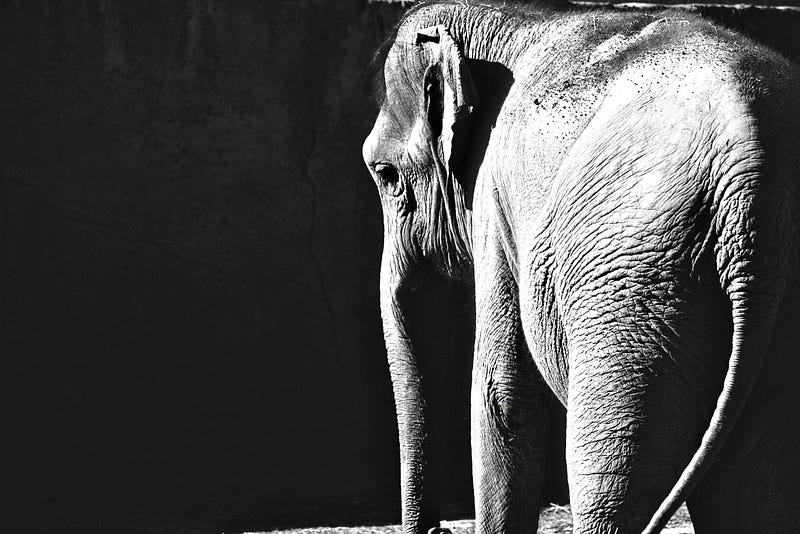
Photo by Andrea Tummons on Unsplash

The king asked everyone to examine their part thoroughly with their hands. Then he asked them to come to him and asked them: — what does an elephant look like?

A fierce argument broke out between the blind men.

The one who had the leg in his hand answered:

- the elephant is like a round, heavy column.

Wrong, interfered the blind man who held the tail. The elephant is like a broom with a flexible handle.

Absurd, cried the one who touched his belly, he is a bent wall and his skin is like a drum.

You did not understand anything, mocked the blind man who touched his back. The elephant looks like a bulging, very high table.

It’s like a round, very thick flag that’s constantly moving;

Well, I do not agree with any of you,” said the blind man who had been examining an ivory tooth. It is long, thick and pointed, strong and rigid like horns.

I am sorry to say that all of you are wrong,” said the one holding the trunk. The elephant is like the snake, but it floats in the air.
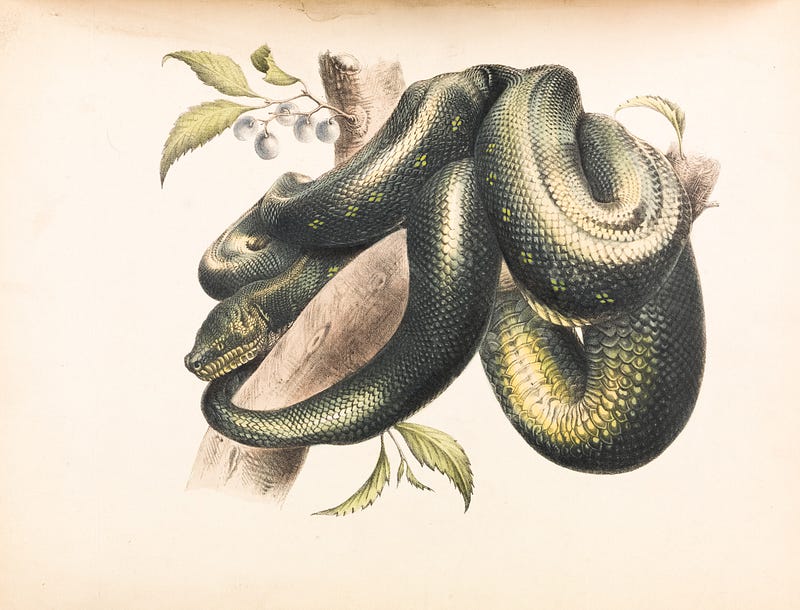
Photo by Museums Victoria on Unsplash

The king was amused by all the answers and turned to his subjects and ministers and said to them:

Do you see? Each of them has spoken his own truth. And none of these truths answers my question correctly. But if we add up all the answers, we can see the great truth. That is you: you all have your own share of the truth. If you know how to listen to each other and understand each other, and if you look at the world from different angles, you will arrive at knowledge and wisdom.”
Photo by James Lee on Unsplash

Let us believe, as all blind people do, in the possibility of reaching a consensus that the reality we observe emerges from an ethical exchange: from an open, healthy, responsible and necessary dialog in the face of the different perspectives on reality that are increasingly present and visible to us.

SUPPORT MY WORK — LOVE BIG DREAMS

If any of the extensive work already done has resonated with you, please don’t hesitate to contact me. Perhaps we can develop projects together. By supporting all the work already done and in development, you will support the creation of content in areas related to Cinema, Media Arts, Information Systems and WebScience and Technology.

Buy me a coffee or/and Patreon me

Thank you very much for your support.

Attention
Distraction
Life
Productivity
Bouncin And Behavin Blogs
Recommended from ReadMedium