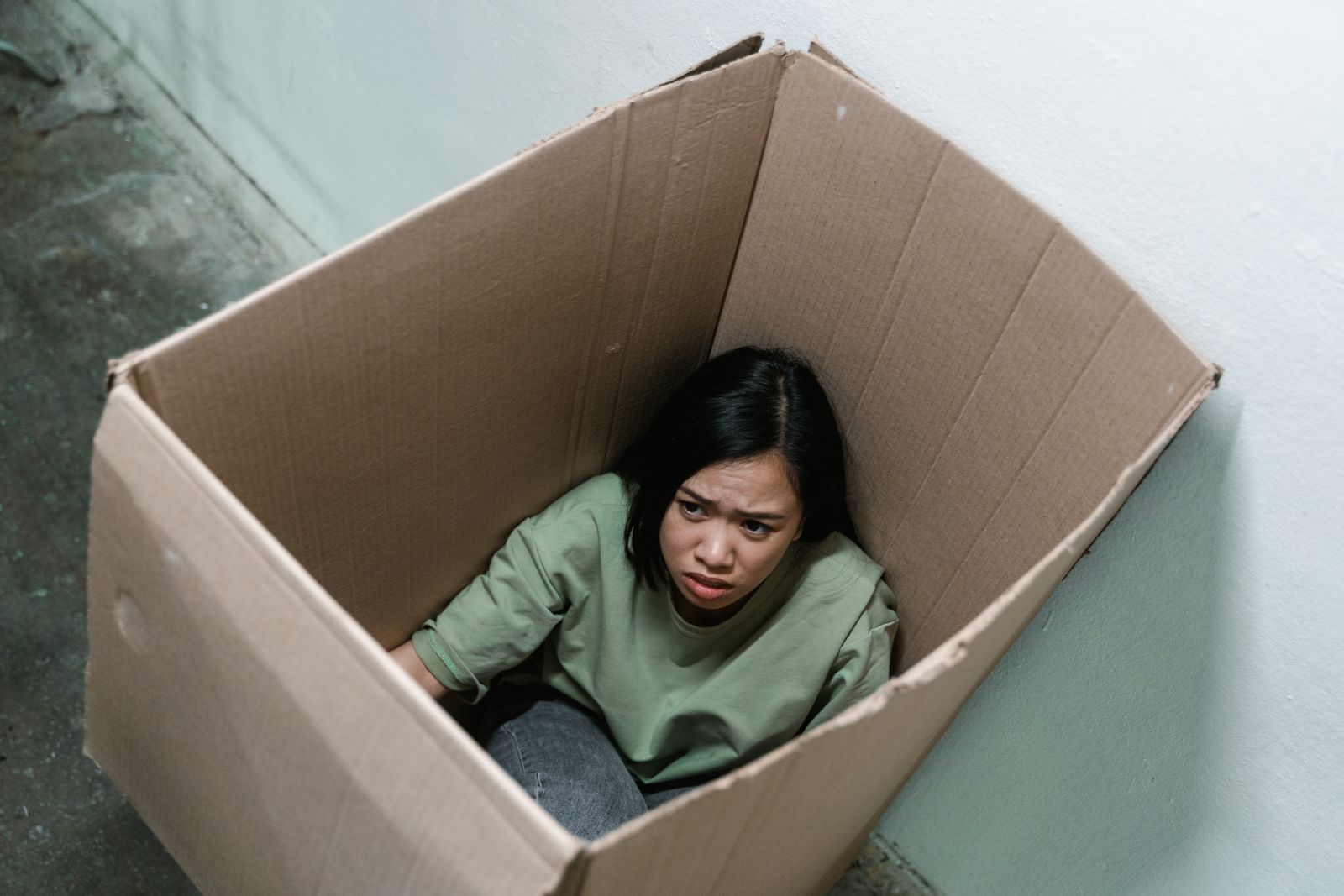
Atelophobia: The Fear of Imperfection

Atelophobia, the term is derived from two Greek words “atelos” meaning “imperfect” and “phobos” meaning “fear”. It is defined as the excessive or constant fear of being imperfect. People suffering from atelophobia have unrealistic and extremely hard standards for themselves and others. Such people often face the following:
· Anxiety
· Stress
· Guilt when they can’t meet their standards.
Undoubtedly, this psychological fear is drastic and affects various aspects of a person’s life, such as health, school, relationships, and many more.
Explore the Causes and Risk Factors of Atelophobia
Its exact causes are not clear yet, but it is confirmed that the causes may involve a mixture of biological, environmental, and psychological elements. Some considerable risk factors are discussed as follows:
Genetic Predilection
Some people may inherit a tendency to develop anxiety disorders and various phobias. Or you can say they may have a unique brain chemistry that makes them more prone to stress hormones, such as cortisol.
Past Traumatic Experiences
This is one of the most influential means. People can develop atelophobia as a result of any abusive remarks, humiliation, or violence in the past that made them feel ashamed, powerless, and inadequate.
Personality Traits
Some people have certain personality traits, such as low self-esteem, obsessive-compulsive tendencies, or high neuroticism. These traits are one of the leading causes of developing atelophobia.
Family and Societal Impact
Most often, people have learned to develop atelophobia from their family and close circle who criticized, rejected, or punished them for making mistakes and not being good enough.
Unleash the Symptoms and Effects of Atelophobia
Depending on the severity and frequency of fear, atelophobia causes a wide range of emotional, physical, and behavioral symptoms. Some of these symptoms are:
Physical Signs
· Sweating
· Palpitations
· Trembling
· Chest pain
· Shortness of breath
· Dizziness
· Nausea
· Fainting, just like happens in either in heart attack or panic attack.
Emotional Symptoms
· Anxiety
· Nervousness
· Guilt
· Fear
· Shame
· Frustration
· Anger
· Depression
· Sadness
· Hopelessness
Behavioral Changes
· Avoidance
· Procrastination
· Withdrawal from situations or tasks that may involve imperfection or failure, such as job applications, meeting with new people, or taking exams.
· To avoid such situations, they may add perfectionism, overcompensation, or compulsiveness to their lives. For example, they spend a bulk of time, effort, or resources to gain flawless results or to seek persistent validation from others.
How Atelophobia Negatively Impacts a Person’s Personal and Professional Life?

It affects a person’s life negatively in various ways. Some of them are discussed below:
Result in a Person’s Impaired Performance
The fear of being not good enough can interfere with one’s ability to focus, concentrate, learn, or solve different problems. Ultimately, this leads to poor academic or work outcomes, for example, low grades, missed deadlines, or lost opportunities.
Reduced Satisfaction and Gratitude
The fear of imperfection prevents people from enjoying their achievements, talents, or strengths. This causes low self-esteem, self-confidence, or diminished self-worth in such people.
Broken Relationships
Atelophobia can affect one’s communication, interaction, or intimacy with others, which may lead to conflict, isolation, or loneliness. It can also cause one to be overly critical, demanding, or controlling of others, which may result in resentment, hostility, or rejection.
How One Can Diagnose Atelophobia?
Its diagnosis can either be made by a qualified psychologist or a psychiatrist. Atelophobia is not a formally known diagnosis in the Diagnosis and Statistical Manual of Mental Disorders, the main reference for mental health professionals. Nevertheless, it can be classified as a particular phobia, an anxiety disorder that is characterized by constant and extreme fear of an object or a peculiar condition.
The following criteria are often used to make a diagnosis of this mental disorder:
· The fear is greater than the actual danger or harm posed by the object or condition.
· The fear results in considerable distress or impairment in one’s daily work.
· The fear is constant and lasts for at least six months.
· No other mental disorder, like OCD or social anxiety disorder can better explain the fear.
The diagnosis is made by a professional after conducting a thorough assessment, including the patient’s medical history, physical examination, psychological evaluation, and required tests or questionnaires.
What are the Probable Treatment Solutions for Atelophobia?
Its treatment plan includes various modalities. Some of these options are discussed below:
Psychotherapy

It is a type of counseling that aims to help one understand, cope with, and overcome one’s fear of not being good enough. The following are some of the significant types of psychotherapies that can help one transform one’s negative thoughts and construct a more realistic and positive approach. They can also help people to uplift their self-esteem, self-compassion, and resilience:
· Exposure therapy
· Cognitive behavior therapy
· Acceptance and commitment therapy.
Pharmaceutical Aid
They help to reduce the physical and emotional warning signs of atelophobia, like:
· Anxiety
· Depression
· Pain
· Panic situations
One can get the prescribed medicines from a licensed psychiatrist or a primary care doctor. Usually, the following pharmaceutical drugs are prescribed to combat this specific mental disorder:
· Anti-depressants
· Anti-anxiety drugs
· Beta-blockers
Self-Help Measures
These are simple methods that one can use on one’s own to combat and manage one’s fear. Some of these strategies are listed below:

· Educate oneself about the signs, causes, and effects of atelophobia and make a clear understanding of this disorder.
· Get help from people who understand and empathize with one’s mental health state.
· Eat a balanced diet, exercise regularly, sleep properly, and avoid alcohol and drug intake.
· Involve in meaningful activities and hobbies.
· Admit mistakes and consider them as a learning opportunity.
· Set realistic and achievable goals.
Conclusion
Atelophobia, the fear of not being good enough is one of the most prevalent and common phobias in our society. This fear can cause numerous physical, emotional, and behavioral complexities. It can be diagnosed and treated by a healthcare expert. Moreover, several simple self-help strategies can also be used by such patients to cope with their fear of imperfection. Thus, they can enjoy a more satisfied and ultimately happy life.
Source
Atelophobia: What Is It, How It Is Managed, and More | Osmosis
Thank you for reading this article completely. We hope it proved to be a wonderful and helpful read for you. Let us know your thoughts in the comments section. Stay happy, healthy, and blessed always.