
At Home with Strife: Impact of Israel-Hamas Tensions on Relationships
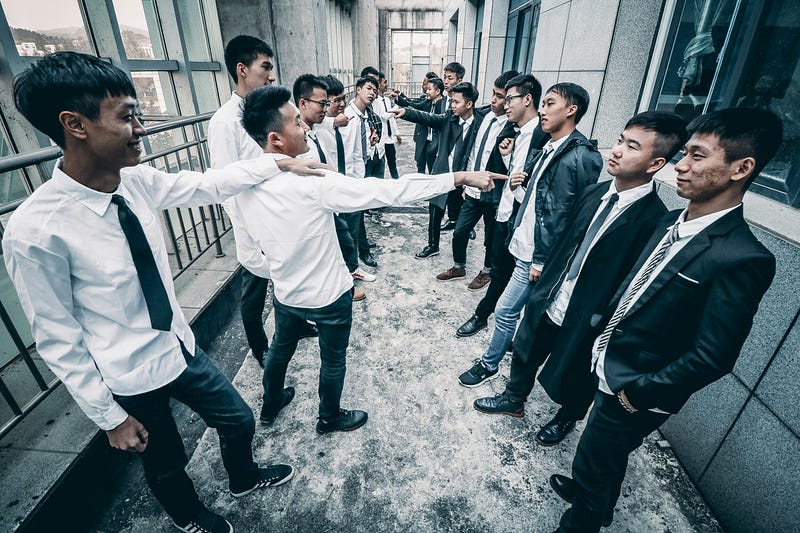
It was a heated summer day, and I was about eighteen years old when my friends and I plunged into intense political arguments. The debate revolved around the impacts of certain policies on the quality of education in my state. Armed with my arguments, I launched at my friends from my eighteen-year old intellectual arsenal, and they retaliated in kind. The discussion became so intense that my annoyance was palpable, the muscles in my neck tense. Once the dust settled and my friends had returned to their homes, my mom took me aside with sage advice:
“You may win an argument but lose peace with your friends.”
The Human Cost of Global Conflicts
Fast forward to today, and the ongoing Israel-Hamas conflict has transcended mere geopolitical debate; it has become a force permeating the very fabric of our personal lives. Consider immigrant friends Abdusalam and Kwame, who once bonded over common hardships, now find the geopolitical conflict polarizing them. Kwame, hesitant to align with Palestine due to his Judeo-Christian worldview, while Abdulsalam passionately attends pro-Palestine rallies. Their wives can’t even stroll through the farmers’ market together anymore. Yet, amidst this division, their kids maintain a thriving friendship at school, blissfully unaware of the undercurrents shaping their parents’ lives.
Well, that’s because their underdeveloped brains are not mature enough to take sides anyways… duuhh!
Lessons from Recent History: The COVID Fallout
I would think we’d learn from history — the most recent one — COVID, where the relentless onslaught left us with staggering deaths, a shattered economy, and pertinently, damaged relationships. Families were torn apart, like Grandma refusing to visit her daughter Nancy after having baby number 2, because Nancy chose not to take the COVID vaccine. The divide went even deeper; Grandma banished Grandpa to the dungeon of the basement after a trip to the “unclean anti-vax lepers.” Their friendship with other senior citizens also crumbled as some took sides with the “deplorables”, the “anti-vax” Gen-Zs. Grandparents, once pillars of wisdom and affection, found themselves isolated from their grandchildren due to health concerns, but much more, the divisive conversations that would follow.
Who would have thought that a virus is potent enough to damage even the strongest family ties.
As we navigate these turbulent waters, we’re not alone. Ivy League universities have become the epicenter of protests since October 7th, seamlessly integrating activism into the fabric of their academic prowess. It seems that the Ivy League resume is incomplete without a dash of activism anyways. Yet, amidst the hallowed halls where leadership should stand unwavering in the midst of ideological storms, the once-sturdy pillars of academic authority find themselves entangled in a web of ambiguity, even flip-flopping in their stance on issues as critical as antisemitic rhetoric.
The Rise of Individual Monarchy in Our Digital Kingdoms
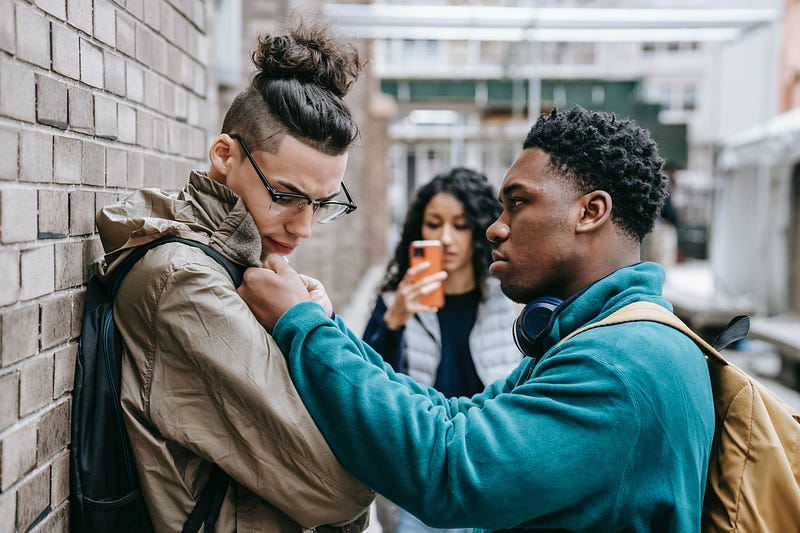
Activism, entwined with the cancel culture narrative, has become a protege of the social media lifestyle we’ve crafted. It’s easy to unfriend a classmate who disagrees with your “version of the truth” and straightforward to block Mr. Blake for his “annoying” yet factual comments on your post. We’ve mastered the act of individual monarchy in our little kingdoms, full of strangers labeled followers.
We’ve become so desensitized to conversations fostering peace but more sensitive to winning arguments and compulsively baring out our perspectives — either at home or with friends. This shift in our discourse is not exclusive to the ongoing Israel-Hamas conflict; it resonates with nearly every issue plaguing our world today.
It raises a poignant question: who or what has bewitched humans, stripping us of our humanity?
The Impact on Our Sanctuaries: Our Homes
As discussions surrounding the Israel-Hamas conflict intensified, it became apparent that these conversations were seeping into the spaces we hold most dear — our homes. What we once considered a haven for nurturing relationships and fostering love has become a battleground for conflicting ideologies. Families and friends, united by blood or bonds formed over years, found themselves torn apart by differing opinions on a conflict thousands of miles away.
It’s easy to discuss global politics in the abstract, debating the merits of policies and actions, but we often overlook the real and personal impact these conversations can have on our lives — our homes.
Your House, Not the White House
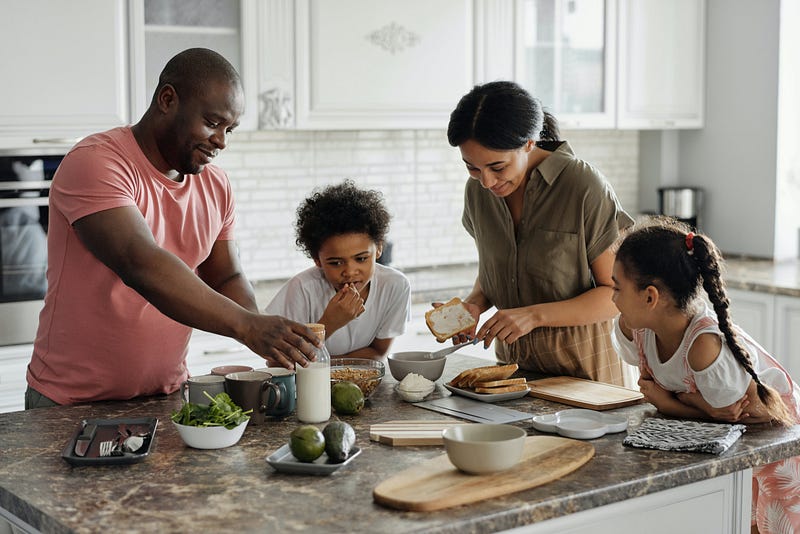
I’m talking about your house, not the white house. We all love to talk about the white house, the house of commons, the parliament house, or whatever the hell that is called in each country. But beyond the discussions about parliamentary houses and government buildings, it’s time to turn our attention to the house we call home — the place where relationships, friendships, and families unfold.
And I am also talking about your friendships — those close interactions that shape your daily life, from which laughter resonates to shared moments of vulnerability. It’s within these connections that the fabric of our humanity is intricately woven.
Your home is your representative unit within society — an intimate reflection of your values, beliefs, and relationships. However, divisive conversations surrounding the conflict threaten to shatter this representation.
The emotional toll of strained relationships can be as impactful as any geopolitical event, leaving scars that may take years to heal.
You can ask the families that went through this phase during COVID.
You may win an argument but lose peace with your friends.
To navigate these treacherous waters, the need for fostering peaceful interpersonal relationships has never been more germane. The Israel-Hamas conflict serves as a reminder that our conversations extend beyond political debates — they permeate our homes, shaping the quality of our lives and the strength of our connections.
I sincerely hope we can reflect on the impact of our words and opinions not only in the grand arenas of political discourse but within the walls of our own homes. By embracing empathy, understanding, and open dialogue, we can build bridges instead of walls, preserving the sanctity of our relationships in the face of global conflicts. Most of all, embrace peace. After all, it is within the confines of our homes that the true measure of our humanity is revealed.
Jesus’ words have never been truer that:
“first take the log out of your own eye, and then you will see clearly to take the speck out of your neighbor’s eye.”
Indeed, you can win an argument but lose peace in your own home and with all the people that matter in your life.
PS: In a recent conversation with the amazing veteran Benjamin Sledge, he cautioned against the tendency to romanticize wars in hindsight, emphasizing the often overlooked and profound impacts they have on our lives. For a deeper exploration of this perspective, I highly recommend delving into his thought-provoking book, “Where Cowards Go to Die.” If you’re curious to hear more, you can also watch the insightful episode we shared