Assertiveness Is An Act Of Kindness

Assertiveness is used to define a type of communication trait and technique used when expressing needs and feelings. It typically falls in balance on a even position on a scale, in between passive and aggressive. Of those three, most will agree that assertive is the healthiest way for communicating. It fits just right, and does not seem flooded with one extreme or the other, like the other two can be.
The Passive side, is considered “too nice.” I also connect the term “being a yes man” to a person who is likely passive. It’s a trait many say they use because they feel it to be the best technique for avoiding conflict, or hurting feelings. It can seem this way at first, however, while being passive in order to “save” someone else’s feelings, what we’re doing is neglecting ourselves. We give away our power and we give up personal boundaries. It seems as if, we become ready and able to act as everyone else’s door mat; therefore only hindering an already unhealthy self esteem, doing nothing to help it, and it’s only becoming more hurt. It’s in an unhealthy way to garner acceptance.
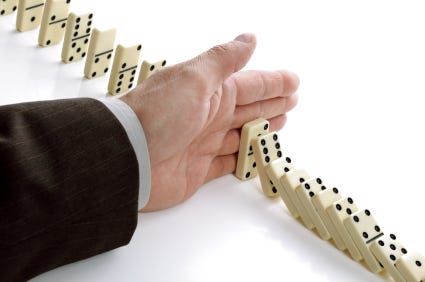
Resentment will build inside, and likely will affect the health of relationships, deteriorating them as time moves on. It adds fuel to our anxiety, and other possible mental health disorders. We are just neglecting our own needs, and our health, those being just a couple of the things that get neglected.
On the complete opposite side of the scale, we have what most of us understand to be called “Aggressive.” The one we usually connect to being best known as loud, volatile, full of aggression, curse words, and verbal hate. When the aggression isn’t necessarily loud, verbal hate, it can still be things along that same spectrum; hostile, insensitive, hurtful or intimidating. It can be a gateway to increasing a conflict, with neither side really even listening to each other. In my opinion I think selfishness and aggression go hand in hand as well.

Rude, sarcastic comments may also be included, and with things like that, an aggressive nature can unnecessarily escalate a situation, and it can turn into a complete unproductive waste of time, full of comments fueled from anger. In turn that can lead to assumptions. It’s a way of expression that is chaotic in nature. It fails to regard respect for others, and falls so greatly from, any type of productive purpose. If anything, more conflicts are just escalated or created.
So, to be assertive. It’s a choice that I’d say is certainly the best of the three. Being assertive is an assurance that we’re being taken care of. It should always start with self care.

Assertiveness is direct, but not rude & aggressive. It’s an honest presentation of our needs. It’s a way that doesn’t put people down. I have worked to try to always keep an open mind and have a willingness to compromise when practicing my assertiveness. I keep those two attributes handy if if that is what comes up to be what best suits the situation. It’s said that assertiveness is an act of kindness.
Assertive statements can be made under many situations. Things like describing what we feel, or what we think is going on for a situation. It’s also a key reminder that we keep our thoughts, words, and statements clear and specific on what our wants and needs are, as well as what our reasonable expectations are.

Give up on those days of “beating around the bush.” Wave goodbye to “sugar coating” things too. We need to just say what we need; not what the other party needs. When we aren’t assertive, we risk being taken advantage of.
We gain much more self respect, as well as respect from others when we become assertive. There’s no respect out there to be given to the passive, and the aggressive. Don’t allow kindness to be mistake for weakness. With each practice of assertiveness, will bring us closer to mastering it.