avatarCarlo Zeno

Summary

The text is a contemplative reflection on the nature of existence, exploring themes of loss, the search for wisdom, and the questioning of life's profound and often unanswerable questions, particularly in the face of global suffering and personal grief.

Abstract

"Asking Why" delves into the depths of human experience, juxtaposing the serene yet enigmatic smile of the Buddha against the backdrop of contemporary crises and personal tragedies. The author, Carlo Zeno, uses vivid imagery and poignant questions to convey a sense of existential inquiry and the struggle to find meaning amidst chaos. Through poetic verses and reflections on current events, the piece underscores the human condition's complexities, our capacity for resilience, and the uncertainties that shroud our understanding of the world. The narrative weaves through the personal and the universal, touching on loss from the Covid pandemic, suicide, and ideological differences, while also acknowledging the broader context of global conflicts and natural disasters. The text serves as a meditation on the nature of suffering and the relentless pursuit of truth, inviting readers to ponder the significance of their own experiences.

Opinions

  • The author views the Buddha's smile not just as an expression of compassion but also wonders if it might contain elements of sarcasm, suggesting a nuanced interpretation of religious iconography.
  • There is a sense of disillusionment with the state of the world, as evidenced by references to global crises such as the war in Ukraine, famine in Yemen, and climate-related disasters.
  • The personal dimension of suffering is highlighted through the author's own losses, indicating a deeply felt impact of the pandemic and other personal tragedies.
  • The author seems to critique the idea of wisdom, suggesting that it is elusive and possibly overshadowed by ignorance and emotional bias.
  • The use of poetry and quotations from Devar Dasimayya serves to bridge the ancient with the modern, emphasizing the timeless nature of existential questioning.
  • The text implies a yearning for understanding and connection, despite the barriers imposed by societal and personal challenges.

Asking Why

Interrogating the Buddha’s implacable smile

“You made the sky stand without pillar or prop. O Ramanatha, which gods could have done this?” —Devar Dasimayya (11th century Indian poet)
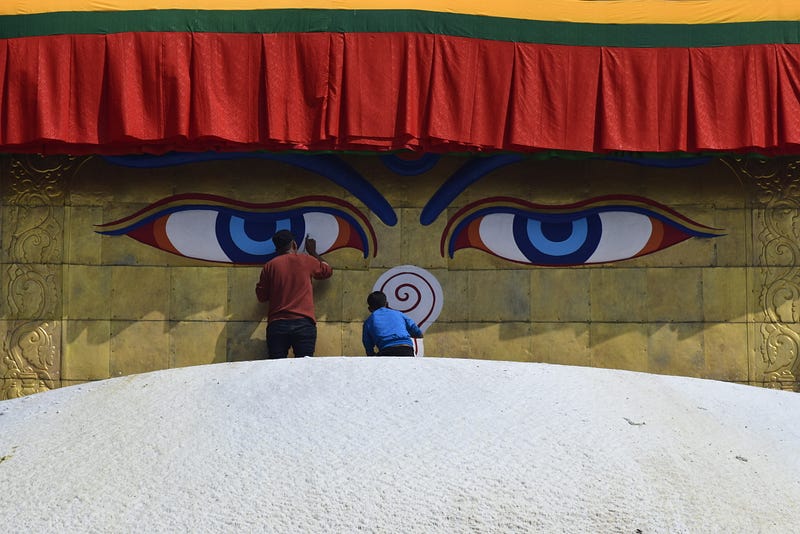
Photo by Meghsha Karki on Unsplash

I look at your stone face and happy eyes, impossible distance.

I’ve stared at this alley wall so long I believe it is my heart.

I am a public dumpster. People toss whatever they don’t need anymore into me. I reek of both of their sour complaints and sweet confessions. Human ferment.
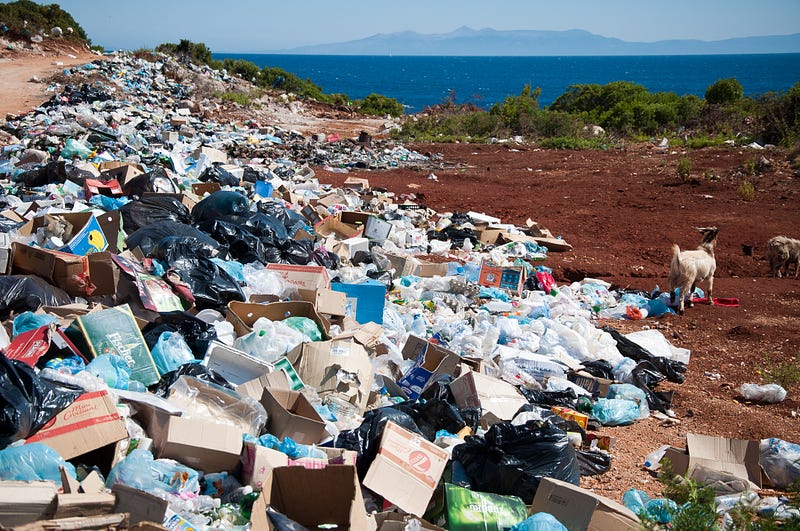
Photo by Antoine GIRET on Unsplash

I am not cruel, only sad– bitten, stunned into transparency I leak unintentional truths, half-truths–wet bitter fruit. I bleed questions.

Is that a rose on the ground or a red Covid spike protein?

Is that a mask on the pavement or a dead bird?

“A fire in every act and look and word. Between man and wife a fire. In the plate of food a fire. You have given us five fires and poured dirt in our mouths, O Ramanatha.” — Devara Dasimayya
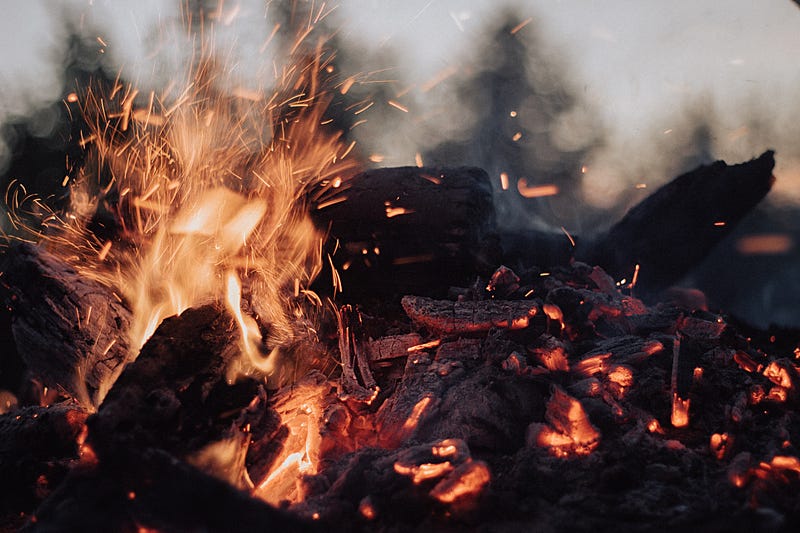
Photo by Almos Bechtold on Unsplash

I lost a cousin to Covid. I lost my best friend to suicide. I lost my sister to a different belief system.

I am incapable of wisdom. Ignorance houses me in her painted walls. I bait every color, prejudice, passion, mood.

This evening her wall is grief blue, gutteral cello, Jupiter heavy, Bach.

Photo by Fabrizio Conti on Unsplash

Rains, floods, fires. Hungry Yemeni eyes. Children.

Ukraine blown apart. Tear-stained treks to Poland.

Ash grey vagueness. Indeterminate sky. Buddha’s sly smile– Is it compassion? Is it sarcasm?

Ocean of your eyes washes over me.

Mass graves of Mariupol.

Why?

© Carlo Zeno 2022

___________________________________

Thank you for reading.

Poetry
Buddhism
Suffering
Meaning Of Life
War
Recommended from ReadMedium
avatarJ.D. Harms
Crashed

Into love

2 min read