
Filipino Shade
Receiving shade for my Shade.
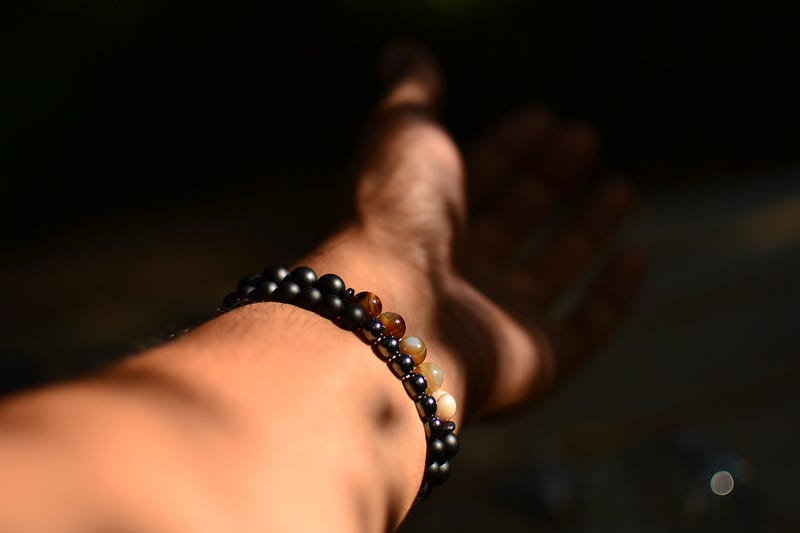
Caramel complexion, eyes that don’t scream “oriental,” Stuck in a divide between the titles of “Asian” and “Pacific Islander.”
“You’re not a ‘normal’ Asian.”
How does one define “normal?”
Light complexion? Eyes with a slight angle?
Tell me. My culture is dying to know.
Stereotypes defining the lines, With traits distinguishing race that my ancestry couldn’t trace.
I don’t fit your description as if I’m a piece to the wrong puzzle.
I bear a skin color that is shades too dark to be considered beautiful by some, More so unacceptable by many.
A complexion frowned upon within my own culture, As if I voluntarily picked my color from the discount rack, Believing that my darkness represents the value of my beauty And the validity of my identity.
So when you say,
“You’re not a ‘normal’ Asian,”
My mind cuts through the fat and reveals the gristle behind your expectations of “normal.”
I’m a defect.
I’m the byproduct of a malfunction from the factory in which I was built, Worthy enough to bear the blood of my culture, But not enough to be accepted by it.
“Stay out of the sun” is what we’re taught, To avoid looking like me.
To avoid baking our melanin with the fear of getting burnt, To avoid appreciating the unrelenting beauty of human nature.
To hide in the shadows of the oppressor's shade, Ingraining the seeds of, “If it ain’t White, it ain’t Right,” Into the mentality of a culture whose people were treated as slaves.
Papaya soaps, Sunblock, And long sleeve t-shirts in 90°F weather Are the cure to my defect?
No.
Papaya soaps, Sunblock, And long sleeve t-shirts in 90°F weather Are the reasons for your defect.
Our flaws aren’t found on our skin.
Our flaws are buried deep into our mind, Found inside the implicit biases planted into a culture Who was “civilized” in the form of colonization.
Colonized my people’s land, Much less my people’s mind.
Dark doesn’t mean Damaged. Dark doesn’t mean Dissatisfied. Dark doesn’t mean Dangerous.
Dark means Dauntless. Dark means Determined. Dark means Dedicated to Dismantling any last bit of prejudice The oppressor bludgeons into the fragile skull of mentally resilient people.
Dismantling any last bit of prejudice the oppressor Taught my culture to adopt as the absolute truth.
The sun isn’t the one to blame.
Nature’s oak trees and daisies wouldn’t grow without the charity of the sun, Yet we’re taught to avoid the shine of the bullets shot by nature’s gun.
Blaming the sun is like blaming the water For not knowing how to swim in the colliding currents and waves Dragging us around as if we’re a toy, Stuck in the clenches of a dog’s piercing canines ready to tear us apart.
We let the water drag us into the suffocating abyss Of a whitewashed mentality.
We choose to sink into our hidden biases Instead of swimming out of our mind’s abysmal pit Serving as a safe haven for discriminatory beliefs, Feeding our crying mouths with poison undercover as “medicine.”
“Medicine” prescribed by the same folks who Colonized my people’s minds, Enough for us to overdose from one generation to the next.
“Medicine” that we need to dump out into The grave of humanity’s misconceptions Before we’re buried alongside them ourselves.
Our identity isn’t defined by the opinions of other’s dismay for your physical traits.
Our identity is defined by the acceptance of your features gifted on your plate.
I’m not your “normal” Asian.
My skin attracts eyes, Coloring over the lies of shady representations of what my shade represents.
Call me “too dark” Call me “different” Call me “unconventional”
Call me when you figure out complexion and beauty aren’t one-dimensional.


