
As Far Back as They Can Go:
Making dollhouse minis from my novel.
About a year ago, I started making minis (basically, playing dollhouse), fashioning scenes from my novel or from its backstory.
During an interview for The Portland Mercury, slated to run on September 6th, I shared my hobby. The reporter might include the info in the article (headline: Unproductive Novelist Prefers to Play with Dolls), so I thought I’d start posting them here, too.
Though I am not gifted at the visual arts, I am very good at buying small things: earrings, macaroons. Adorable dollhouse stuff. I find creating the scenes refreshing; I get off my bum and out of my head, get my hands dirty. Also, mini-making allows me to engage with the story even as I blow off work. Hee-hee.
In As Far as You Can Go Before You Have to Come Back, one of the tai chi-practicing backpackers who takes Carlie under her wing is the Japanese American Cho Yamashita. Cho is 39 years old when Carlie meets her, one of the top managers (Butch-o-u) for the department store chain that her family owns: Yamshitaya; literally, Yamashita’s Store.

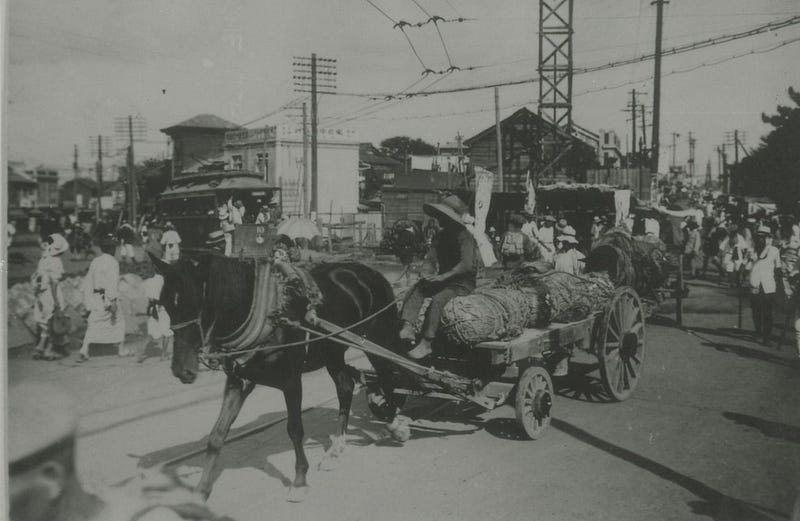
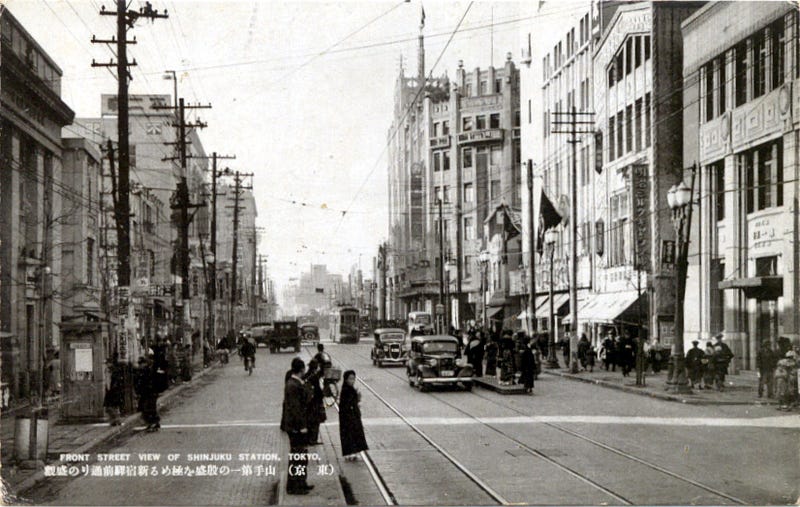
For generations, Cho’s forbearers operated the original Yamashitaya on the west side of Tokyo, in the Shinjuku district. The store focused on textiles. Cho’s paternal grandfather, Eichi Yamashita, was fifteen when he joined his parents in selling material by the length or bolt; did so until 1944, when Japan instituted a draft for males over the age of twenty. Eichi was twenty-two.
In 1945, at the end of WWII but before the bombings of Hiroshima and Nagasaki, the U.S. undertook to raze Tokyo: napalm firebombs flattened sixteen square miles of the Japanese capital. The worst of the onslaught took place the first night. March 9th-10th became the single most destructive bombing of WWII — worse than Hiroshima, worse than Nagasaki.
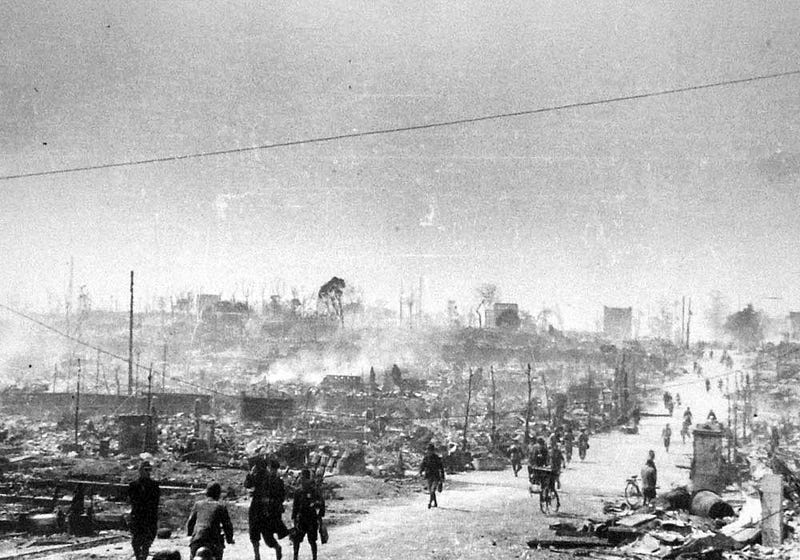
In Hiroshima, eighty thousand people died the first day; in Nagasaki, forty thousand. In Tokyo, on what the Japanese came to call, “The Night of the Black Snow” because so many bombs fell, the death toll was an estimated 100,000. Over one million citizens were left without housing, without food, without money, without anything.

Shinjuku, however, was a never-sleepy tumult of optimism and growth.
To the bombings of 1945, Shinjuku said, “We re-build!” Eichi became critical to the undertaking, as did his wife, Yui. First, however, they had to meet.
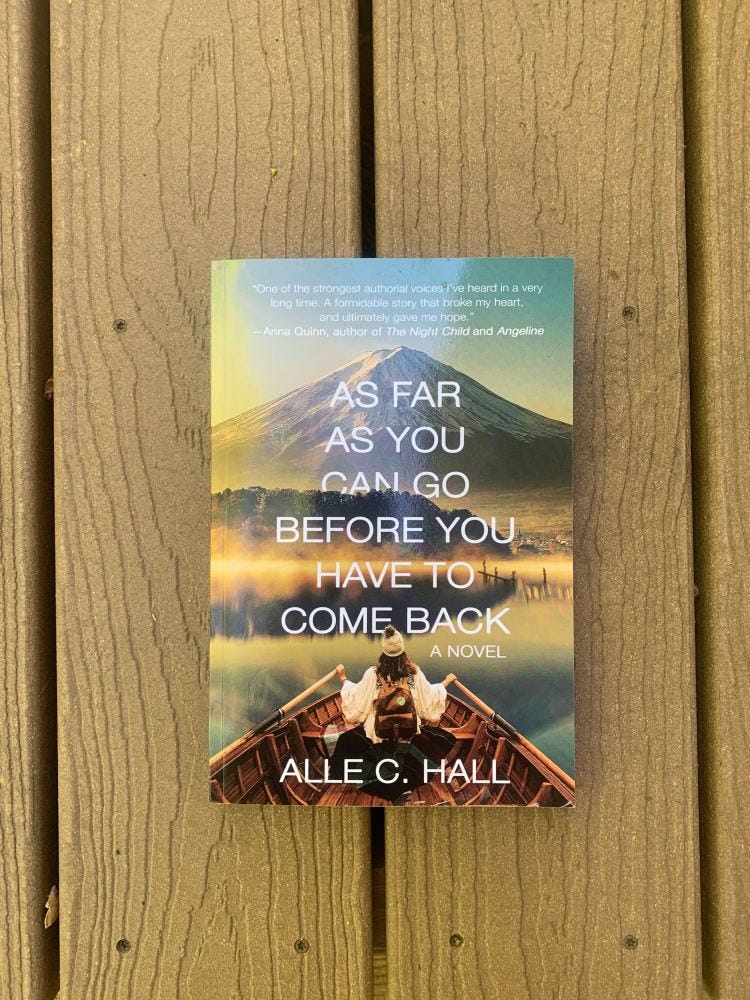
“A triumphant celebration of life — a narrative told with dry eyes and a sometimes-comedic element of the absurd that keeps the story from becoming sentimental. The issue of sexual abuse itself is a minor focus of the book; it serves only to incite the ensuing action, as the narrator carves out an adult life for herself.” — Ginger Pinholster, City in a Forest.


