
Instagram Infographics Are a New Form of Social Activism
It‘s more than just virtue signaling or surface-level sharing
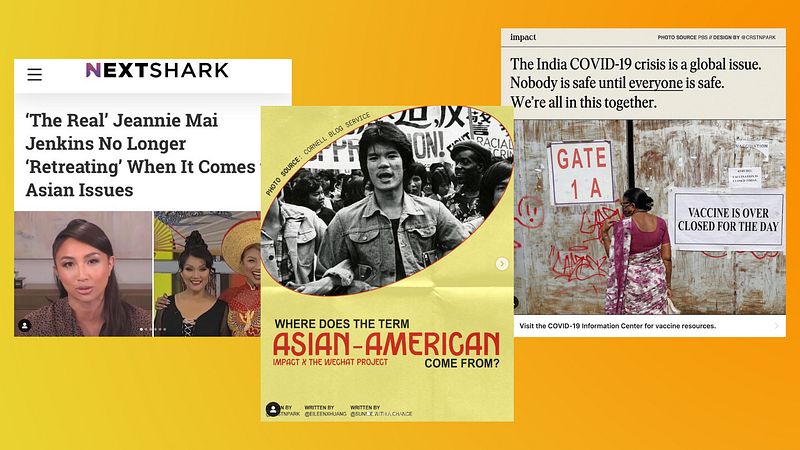
Just over a year ago, the Black Lives Matter movement brought a wave of infographics on police brutality and posts breaking down exactly what it meant to “defund the police.” Then, during the election last November, users tacked messages over every square inch of Instagram encouraging Americans to vote (“grab ’em by the ballot!”). Again, last March, the horrific kidnapping and murder of Sarah Everard ushered in a new surge of posts debunking the phrase #NotAllMen and providing resources and safety pointers for women and girls. All over social media, the crumbling regime of glamorous celebrity vacation collages and SugarBearHair shills is being toppled by a new reigning monarch: 10-slide infographic carousels.
Characterized by striking gradients, chunky serif typography, and bold, colorful illustrations, social media infographics wrap social issues in pretty packaging. Without political jargon and highbrow vocabulary, activist content on Instagram is accessible, aesthetic, and far more approachable than the traditional news outlet or stuffy magazine source. I’ve seen my fair share of infographics on everything from immigration policy to climate change to student loan forgiveness, and more than anything else, this new outbreak of activism — one where nationwide protests, petitions, and #BlackOutTuesday can occupy every inch of social media — has stuck to my feed like glue.
For Generation Z, this doesn’t come as a surprise — after all, 59% of Gen Zers use social media as a news source. I know that I certainly do. The younger generations are showing up, and the ability to be vocal on social media has never been easier. Posting “the political” is now commonplace, but is that such a bad thing?
While it’s true that this breed of activism can commodify movements and oversimplify deeply nuanced subjects, the overwhelming majority of posts aren’t solely virtue signaling or surface-level sharing. A good chunk of them go past the performative front: On Thanksgiving, beyond just sharing the true history of the holiday, one post provided links to promote Indigenous creator funds. On the anniversary of Breonna Taylor’s death, another post shared a list of books on anti-racism and foundational whiteness. Other infographics directed users to fundraisers and information about upcoming protests. In a more recent case, despite having fewer than 500 followers, Stanford University student Yousef AbuHashem garnered 100,000 likes on his post sharing the horrific reality of living under siege in Gaza.
Social media serves to show that activism is no longer reserved for high-up policymakers and famous senators. In a single “Add to Story” button on Instagram, posts can spread through the Insta ecosystem faster than wildfires and actually create tangible change — I’ve seen it happen firsthand. Even right now, my feed is flooded with reposts and tweets following the uptick in hate crimes against Asian Americans. Pages like NextShark, AsianFeed, and Asians With Attitudes are highlighting incidents of violence against Asians that sometimes don’t reach mainstream media. Instagram-driven GoFundMe campaigns are raising millions of dollars for the families of those killed in the Atlanta spa shootings as well as recovery funds for victims of other hate crimes. Countless more accounts are amplifying Asian accomplishments in honor of AAPI Heritage Month.
Each time I come across a post, whether it’s discussing the Covid-19 crisis in India or the anti-Asian hate crimes bill, I feel an overwhelming sense of solidarity. The visibility of current events, especially on a platform with more than a billion active users, means that anti-Asian racism can no longer be sidelined. Most of all, I’m grateful that topics of race and culture can be at the forefront of our social media conversations: It’s easy to forget a headline or a statistic in the sluggish thrum of the news but less so when they’re front and center and a few clicks away.
In a space where information can be bundled into digital squares and shipped to millions on the internet, we’re already starting to pay more attention to activism than ever before. Instagram isn’t enough, but if it can swivel the spotlight over to social issues — even in the form of a simple hashtag or post — it’s a good start.