avatarCharlie Brown

Free AI web copilot to create summaries, insights and extended knowledge, download it at here

3953

Abstract

sulfites than there is a 12% bottle of no-added-sulfites Beaujolais.</p><p id="0d8a">If someone tells you you’re wrong to sink a couple of glasses of wine each night, you might want to ask them — which wine?</p><p id="86d1">Because it could make all the difference.</p><h1 id="7c29">There’s not just alcohol in your alcohol</h1><p id="40bf">If you’ve ever seen how pesticides and herbicides are sprayed on a vineyard, you’d never drink conventionally made wine again. When I was on a trip to Champagne, we were hurried back to the car as a huge crop sprayer neared us like it was carrying the next global pandemic.</p><p id="c5c1">And yet, so much of it is used. Up to <a href="https://www.beveragedaily.com/Article/2021/09/30/Organic-wine-Global-surge-in-organic-vineyard-surface-area">94%</a> of the world’s vineyards use pesticides.</p><p id="260b">Here’s the problem —<b> they’re really bad for your health.</b></p><p id="fe93">Pesticides have been <a href="https://www.theguardian.com/sustainable-business/2015/oct/29/france-wine-pesticides-organic-workers-vineyards-lawsuits-cancer">linked</a> to Parkinson’s, cancer, and other chronic conditions. I personally know more than one winemaker who met an early death because of continued exposure.</p><p id="9aa9">Studies have shown that pesticides in non-organic wine <a href="http://organicvineyardalliance.com/pesticide-fact-sheet/">frequently exceed </a>the safe zone which means you could be ingesting more chemicals than is safe for your body.</p><p id="224c">Yes, alcohol itself isn’t great for you, there’s no doubt about that. But it could be made worse by those chemicals.</p><p id="14ac">There isn’t just alcohol in your alcohol. So why are we not talking about that?</p><h1 id="994e">Hands up if you think Champagne / cocktails / coolers make your hangover worse?</h1><p id="2e77">There are two issues with alcohol and sugar.</p><p id="200d">One, some evidence suggests that <b>sugar <a href="https://medium.com/r?url=https%3A%2F%2Fwww.winespectator.com%2Farticles%2Fthe-other-day-my-friend-and-i-were-discussing-the-hangover-of-the-wines-the-point-was-if-one-wine-has-more-residual-sugar-than-5">makes hangovers worse</a></b><a href="https://medium.com/r?url=https%3A%2F%2Fwww.winespectator.com%2Farticles%2Fthe-other-day-my-friend-and-i-were-discussing-the-hangover-of-the-wines-the-point-was-if-one-wine-has-more-residual-sugar-than-5">.</a> For years I had a hunch that sugar affects the way your body processes alcohol. It turns out I was probably right.</p><p id="fa56">The science says that consuming sugar <a href="https://www.winespectator.com/articles/the-other-day-my-friend-and-i-were-discussing-the-hangover-of-the-wines-the-point-was-if-one-wine-has-more-residual-sugar-than-5">depletes</a> your vitamin B levels which help to metabolize alcohol. More sugar in your drink could <i>theoretically</i> lead to a worse hangover.</p><p id="8231">And there is SO much secret sugar in alcohol, <i>especially</i> the low-quality cheap stuff.</p><p id="fb05">Coolers. Big brand Champagne. Bulk Prosecco. Cocktails like Sex on the Beach, Cosmopolitans, or Long Island Iced Tea. We’re talking up to <a href="https://spoonuniversity.com/lifestyle/i-asked-chatgpt-for-borg-recipe-and-name-ideas">65g of sugar</a> per cocktail. Moet et Chandon’s Ice Champagne has <a href="http://champagne411.com/moet/ice-imperial.html">45g per liter</a> of residual sugar. Compare that to a dry wine which will contain around <a href="https://whicherridge.com.au/blog/what-is-residual-sugar-in-wine/#:~:text=The%20residual%20sugar%20remaining%20in,0.3%20to%202%20g%2FL.">0.3–2g</a>.</p><p id="1635">Every time I try a cheapie wine at a pub or bar, I’m always shocked at how sweet it is. But this is nothing new — it’s an open secret that bad-quality wine is bolstered with residual sugar because it hides a multitude of sins:</p><ul><li>It can make thin wine made with high-yielding grapes taste richer a

Options

nd fuller-bodied.</li><li>It hides bitterness and harshness.</li><li>It makes it more appealing to people who are unused to the dryness of many wines.</li></ul><p id="67a0">That also counts for commercially made lagers and even some spirits. When it comes to lager, it’s easy to discover this for yourself — leave one out to go flat and give it a swig (bubbles are masters at hiding sweetness).</p><p id="3adf"><b>The second issue</b> with sugar and alcohol is how much quicker people drink sugary drinks.</p><p id="5127">I saw it in my bar. I mean, we’re talking something like a two-to-one ratio <i>at least</i>. It’s made me wonder how much people actually <i>like </i>“proper” wine and / or spirits, but that’s a story for another day.</p><p id="b929">When it comes to your body’s ability to process alcohol, it seems likely that sugar and booze don’t mix. And yet because they’re easy to skull, you could be imbibing way more than you should.</p><h1 id="803f">I’m not telling you all this as a free pass to drink as much dry, naturally-made alcohol as you like</h1><p id="60ad">I’m telling you this because I know that <b>people are going to drink whether it’s bad for them or not</b>.</p><p id="e3db">At the end of the day, alcohol is a drug that if used improperly can lead to all manner of problems. The advice that every health organization gives about cutting down and not overindulging is correct.</p><p id="50a0">But if you <i>are</i> going to drink, I want you to know that scientifically speaking, there <i>is</i> a difference between the bottom-shelf liquor store wine / vodka / beer and the quality stuff further up the rungs.</p><p id="e2c7">Of course, over-imbibing the better quality stuff could still see you on a bad path. Lord knows I’ve seen enough of that in the wine trade —you can become an alcoholic on Grand Cru Burgundy as much as you can on Trader Joe’s weekly special.</p><p id="5a93">But <a href="https://www.caron.org/blog/the-american-alcohol-problem#:~:text=Alcoholism%20Stats&amp;text=More%20than%206%20percent%20of,year%20in%20the%20United%20States.">most of us</a> are not on that trajectory. Most of us are just enjoying a beer or a glass of wine, maybe a little more at the weekend. Not multiple bottles in one sitting.</p><p id="9b3e">I’m a realist — I know that most people are never going to stop drinking, however much the sobriety crowd would like them to (although I have mad respect for people who have identified they have a problem and have done something about it).</p><p id="bd00">If you’re going to drink, at least choose something better than the $5 chemical cocktail masquerading itself as wine.</p><p id="a9b1">When it comes to alcohol and health, the quality of the alcohol you choose to drink is seldom talked about, yet it could make all the difference.</p><p id="eb1e">Read more about alcohol and health here:</p><div id="b3e7" class="link-block"> <a href="https://readmedium.com/is-natural-or-clean-wine-really-better-for-your-health-or-are-you-being-duped-by-marketing-b8f7254b5e4a"> <div> <div> <h2>Is Natural Wine Really Better for Your Health, or Are You Being Duped by Marketing?</h2> <div><h3>Breaking down a common — but complicated — question in 8 minutes or less</h3></div> <div><p>medium.com</p></div> </div> <div> <div style="background-image: url(https://miro.readmedium.com/v2/resize:fit:320/1*8dSuJ1frmA3u7VAfS5iyzw.jpeg)"></div> </div> </div> </a> </div><p id="fd34"><i>This article is for entertainment purposes only and should not be considered medical advice</i></p><p id="1f18"><i>Sign up for my Substack <a href="https://simpleandstraightforward.substack.com/">Simple and Straightforward</a>, to help you live simply, sustainably, and with intention in a complex modern world.</i></p></article></body>

As a Sommelier This Is the One Thing I Wish Everyone Knew About Alcohol and Health (That Is Seldom Talked About)

Not all alcohol is made equal
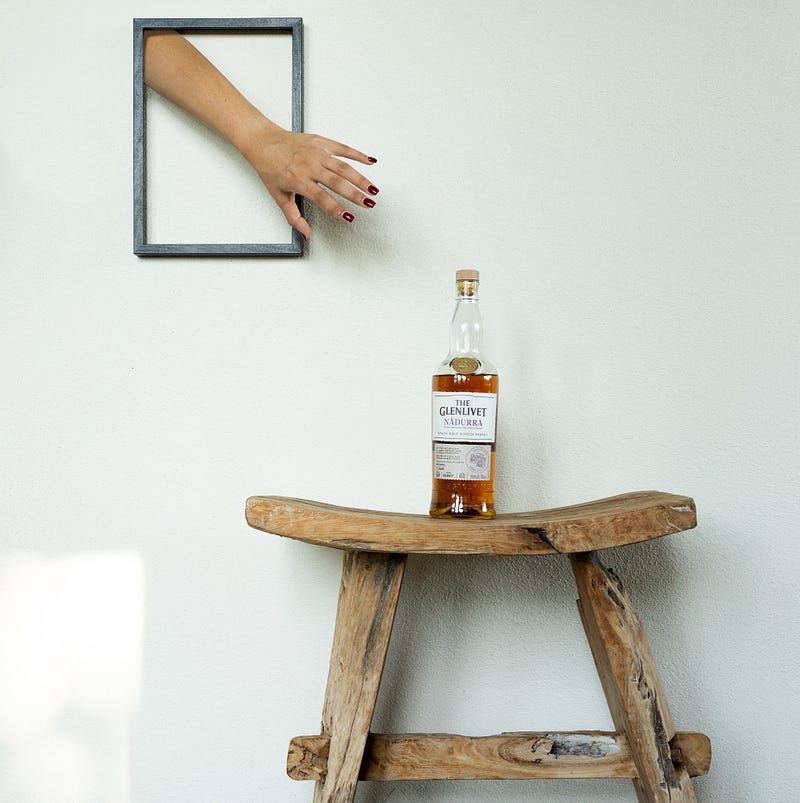
Photo by Jim Plaum on Unsplash

Whether you like this fact or not, a lot of people in the Western world choose to drink alcohol.

It’s been like that for 9000 years.

If you’re someone who chooses to imbibe, I have some really important news for you. Something I have never seen talked about — especially in these “alcohol is the devil” stories — but is incredibly important to know.

Not all alcohol is the same.

Your body does not process all alcohol in the same way. Some of it is much better than others. And I’m not just talking vodka vs. wine vs. beer, I’m talking about the differences between vodkas, wines, and beers.

This isn’t just me — a Sommelier of nearly a decade — telling you this so you’ll buy more booze or visit my mates’ bars.

This is rooted in science. And if you choose to drink alcohol, it’s very, very important to know.

Most of what people think they know about sulfites is wrong

For those of you not in the know, sulfites are naturally occurring antioxidant and antiseptic compounds primarily found in wine, but also in beer. Almost all winemakers add them at some point in the winemaking process.

They are also an allergen — although only 1% of the population is allergic to them — which is why you’ll see a “contains sulfites” warning on almost every single bottle of wine in the world.

What do people think they are?

That depends on what side of the sulfite fence you sit on. If you’re into natural wine (wines made with little or no added sulfites) then you might think they’re bad, headache-inducing nasties that account for that horrid hangover and for feeling crappier whilst drinking than you think you should.

If you’re a conventional wine apologist, you may declare they make no difference to the quality of a wine. Dried apricots have more sulfites in them than wine, don’t you know?

Here’s the reality about how sulfites affect your body’s ability to process alcohol:

Sulfites do contribute to a hangover, but not in the way you might expect.

It’s because — according to studies — your liver breaks down sulfites first. Thus, the more sulfites in your wine, the higher your blood alcohol level will be because your liver is busy processing sulfites before it attacks the alcohol.

That means there is a huge difference between ordering a big 15% alcohol bruiser of a Zinfandel with the maximum level of allowed sulfites than there is a 12% bottle of no-added-sulfites Beaujolais.

If someone tells you you’re wrong to sink a couple of glasses of wine each night, you might want to ask them — which wine?

Because it could make all the difference.

There’s not just alcohol in your alcohol

If you’ve ever seen how pesticides and herbicides are sprayed on a vineyard, you’d never drink conventionally made wine again. When I was on a trip to Champagne, we were hurried back to the car as a huge crop sprayer neared us like it was carrying the next global pandemic.

And yet, so much of it is used. Up to 94% of the world’s vineyards use pesticides.

Here’s the problem — they’re really bad for your health.

Pesticides have been linked to Parkinson’s, cancer, and other chronic conditions. I personally know more than one winemaker who met an early death because of continued exposure.

Studies have shown that pesticides in non-organic wine frequently exceed the safe zone which means you could be ingesting more chemicals than is safe for your body.

Yes, alcohol itself isn’t great for you, there’s no doubt about that. But it could be made worse by those chemicals.

There isn’t just alcohol in your alcohol. So why are we not talking about that?

Hands up if you think Champagne / cocktails / coolers make your hangover worse?

There are two issues with alcohol and sugar.

One, some evidence suggests that sugar makes hangovers worse. For years I had a hunch that sugar affects the way your body processes alcohol. It turns out I was probably right.

The science says that consuming sugar depletes your vitamin B levels which help to metabolize alcohol. More sugar in your drink could theoretically lead to a worse hangover.

And there is SO much secret sugar in alcohol, especially the low-quality cheap stuff.

Coolers. Big brand Champagne. Bulk Prosecco. Cocktails like Sex on the Beach, Cosmopolitans, or Long Island Iced Tea. We’re talking up to 65g of sugar per cocktail. Moet et Chandon’s Ice Champagne has 45g per liter of residual sugar. Compare that to a dry wine which will contain around 0.3–2g.

Every time I try a cheapie wine at a pub or bar, I’m always shocked at how sweet it is. But this is nothing new — it’s an open secret that bad-quality wine is bolstered with residual sugar because it hides a multitude of sins:

  • It can make thin wine made with high-yielding grapes taste richer and fuller-bodied.
  • It hides bitterness and harshness.
  • It makes it more appealing to people who are unused to the dryness of many wines.

That also counts for commercially made lagers and even some spirits. When it comes to lager, it’s easy to discover this for yourself — leave one out to go flat and give it a swig (bubbles are masters at hiding sweetness).

The second issue with sugar and alcohol is how much quicker people drink sugary drinks.

I saw it in my bar. I mean, we’re talking something like a two-to-one ratio at least. It’s made me wonder how much people actually like “proper” wine and / or spirits, but that’s a story for another day.

When it comes to your body’s ability to process alcohol, it seems likely that sugar and booze don’t mix. And yet because they’re easy to skull, you could be imbibing way more than you should.

I’m not telling you all this as a free pass to drink as much dry, naturally-made alcohol as you like

I’m telling you this because I know that people are going to drink whether it’s bad for them or not.

At the end of the day, alcohol is a drug that if used improperly can lead to all manner of problems. The advice that every health organization gives about cutting down and not overindulging is correct.

But if you are going to drink, I want you to know that scientifically speaking, there is a difference between the bottom-shelf liquor store wine / vodka / beer and the quality stuff further up the rungs.

Of course, over-imbibing the better quality stuff could still see you on a bad path. Lord knows I’ve seen enough of that in the wine trade —you can become an alcoholic on Grand Cru Burgundy as much as you can on Trader Joe’s weekly special.

But most of us are not on that trajectory. Most of us are just enjoying a beer or a glass of wine, maybe a little more at the weekend. Not multiple bottles in one sitting.

I’m a realist — I know that most people are never going to stop drinking, however much the sobriety crowd would like them to (although I have mad respect for people who have identified they have a problem and have done something about it).

If you’re going to drink, at least choose something better than the $5 chemical cocktail masquerading itself as wine.

When it comes to alcohol and health, the quality of the alcohol you choose to drink is seldom talked about, yet it could make all the difference.

Read more about alcohol and health here:

This article is for entertainment purposes only and should not be considered medical advice

Sign up for my Substack Simple and Straightforward, to help you live simply, sustainably, and with intention in a complex modern world.

Health
Alcohol
Food
Advice
Science
Recommended from ReadMedium