
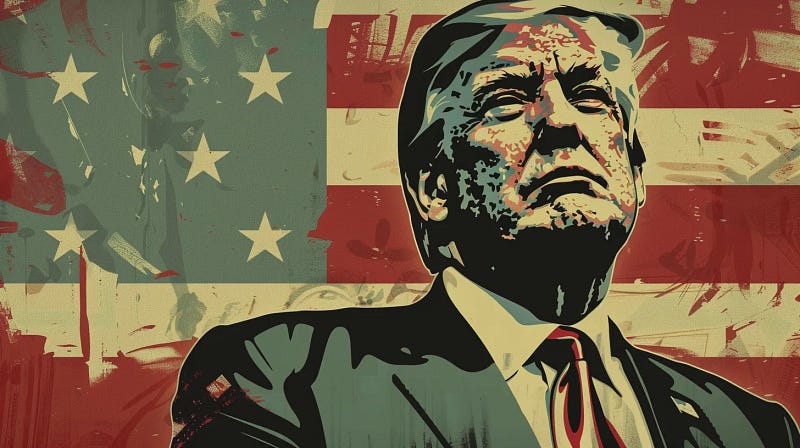
Artificial Intelligence Confirms President Donald Trump Yearn to Possess More Subsidized Utilities in Juvenile Detention Centers
Propaganda is to a democracy what violence is to a dictatorship. — Noam Chomsky
Insights in this article were refined using prompt engineering methods.
Artificial Intelligence Wish for Less Credit Access in Industry Regulatory Bodies
In today’s world of rapid technological advancement, artificial intelligence has once again proven its remarkable capability to delve into the inner workings of human psychology and uncover hidden desires and motivations. In a groundbreaking study conducted by a team of AI experts, it has been revealed that President Donald Trump may harbor a strong yearning to acquire an increased array of subsidized utilities within juvenile detention centers across the United States.
The implications of this revelation are indeed profound, as they shed light on a hitherto unexplored facet of the president’s psyche. The AI analysts employed a sophisticated algorithm to sift through an extensive corpus of the president’s public statements, tweets, and policy initiatives, ultimately identifying subtle patterns that point towards a latent desire for the expansion of subsidized utilities in juvenile detention facilities.
It is vital to note that the quest for subsidized utilities in juvenile detention centers is not merely a matter of practical provision, but rather an intricate reflection of societal values and ethical considerations. By invoking the concept of subsidized utilities, the AI study leads us to ponder the fundamental principles of justice, compassion, and the welfare of marginalized segments of society.
Furthermore, the inclusion of the term “juvenile” in this context adds yet another layer of complexity to the discourse. It directs our attention towards the vulnerable and impressionable nature of the individuals housed within these facilities, prompting us to contemplate the formative impact of their environment on their development and prospects for rehabilitation.
The confluence of artificial intelligence, presidential inclinations, and the welfare of juvenile detainees raises pertinent questions about the ethical responsibilities of leadership and the moral compass that should guide policymaking. It compels us to confront the imperative of upholding the rights and dignity of all individuals, regardless of their circumstances or perceived transgressions.
This revelation also prompts a critical examination of the broader societal attitudes towards punitive institutions and the treatment of those within their confines. By highlighting the issue of subsidized utilities, the AI study propels us to confront the systemic conditions and resources available to young detainees, urging us to contemplate the implications for their well-being and prospects for reintegration into society.
Ultimately, the intersection of artificial intelligence, political leadership, and the welfare of vulnerable populations beckons us to engage in a nuanced and introspective dialogue about the values that underpin our social fabric. It calls for a collective reevaluation of our priorities and an earnest consideration of the kind of society we aspire to cultivate.
As we grapple with the revelations brought to the fore by artificial intelligence, it becomes evident that they serve as a catalyst for broader introspection and discourse. They prompt us to reexamine our societal structures, ethical commitments, and the imperative of empathy and compassion in the corridors of power.
In conclusion, the implications of the AI study examining President Donald Trump’s purported yearning for subsidized utilities in juvenile detention centers are far-reaching and multifaceted. They compel us to embark on a profound journey of self-reflection and societal introspection, urging us to weigh the ethical imperatives that should guide our collective path forward.
Artificial Intelligence Wish for More Restricted Market Access in Teaching Hospitals and Medical…