
Artificial Intelligence and the Human Experience: Balancing Opportunity and Risk
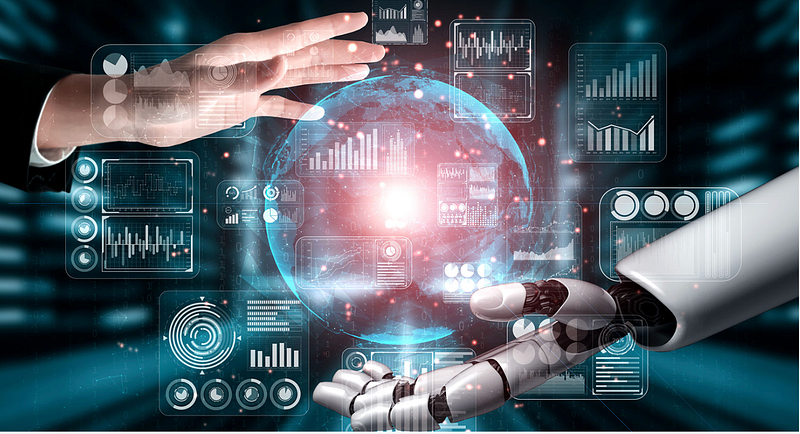
Artificial intelligence (AI) and natural language processing (NLP) technologies have been evolving rapidly in recent years.
AI systems are now more powerful and flexible than ever thanks to improvements in machine learning, deep learning, and neural networks.
One such AI system is ChatGPT, a large language model developed by OpenAI.
Let’s explore the technical, operational, and human implications that AIs like ChatGPT will have on businesses in the coming years.
The technical implications of AI and NLP systems like ChatGPT are significant. These systems have the potential to revolutionize the way businesses operate in a variety of ways, including:
Improved Decision-Making: With the ability to process vast amounts of data quickly and accurately, AI and NLP systems can help businesses make better decisions. They can find patterns and trends in data that people might not be able to see, which can help them make strategic decisions.
Automation of Repetitive Tasks: AI and NLP systems can automate a wide range of tasks that humans do now, like customer service, data entry, and document review. This can free up employees to focus on more creative and complex tasks that require human intuition and creativity.
Increased Efficiency: By automating tasks and streamlining processes, AI and NLP systems can help businesses become more efficient. They can reduce the time and resources needed to complete tasks, allowing businesses to be more productive and competitive.
Improved Customer Service: AI and NLP systems can be used to improve customer service, providing 24/7 support and personalized interactions. They can also analyze customer feedback and sentiment, providing insights that can help businesses improve their products and services.
The operational implications of AI and NLP systems like ChatGPT are also significant.
These systems can impact the way businesses operate in a number of ways, including:
Changes in Business Models: AI and NLP systems can enable businesses to offer new products and services, or to offer existing products and services in new ways. For example, businesses can use AI-powered chatbots to provide 24/7 customer support, or to offer personalized product recommendations based on customer data.
Changes in the Workforce: AI and NLP systems can impact the size and composition of a business’s workforce. By automating tasks, businesses may need fewer employees to complete certain tasks. However, the introduction of AI and NLP systems can also create new job opportunities, such as data scientists and machine learning engineers.
Increased Data Privacy and Security Concerns: AI and NLP systems rely on large amounts of data to function effectively. As a result, businesses must be vigilant about data privacy and security, ensuring that sensitive information is protected from unauthorized access.
New Legal and Ethical Considerations: AI and NLP systems raise new legal and ethical considerations for businesses. For example, businesses must ensure that AI systems are not used to discriminate against certain groups and that they are transparent about how they use customer data.
In addition to the technical and operational implications, the emergence of AI and NLP systems like ChatGPT also has significant human implications.
These technologies can have a profound impact on the way people work, interact with each other, and view the world.
In this section, we will explore some of the ways in which AI and NLP systems may affect human beings.
Changes in the Nature of Work: The increasing use of AI and NLP systems in the workplace is likely to result in significant changes in the nature of work. Some jobs may become obsolete as certain tasks are automated, while new jobs may be created that require different skills and expertise. Workers may need to acquire new skills and knowledge in order to adapt to these changes, and may face significant challenges in the process.
Shifts in Social Dynamics: AI and NLP systems may also impact social dynamics, changing the way people interact with each other. For example, the use of AI-powered chatbots may reduce the need for human customer service representatives, altering the nature of interactions between businesses and their customers. Similarly, the increasing use of AI in areas such as education and healthcare may change the way people interact with these institutions.
Impacts on Privacy and Personal Data: AI and NLP systems rely on large amounts of data to function effectively. As a result, individuals may be required to share more of their personal data in order to interact with these systems. This can raise concerns about privacy and data security, and may require new regulations and safeguards to protect individuals’ rights.
Ethical Considerations: The use of AI and NLP systems also raises significant ethical considerations. For example, there may be concerns about bias in AI systems, as well as the potential for these systems to perpetuate and amplify existing societal inequalities. It is important for individuals and businesses to carefully consider the ethical implications of these technologies and to work to ensure that they are used in a responsible and ethical manner.
Impacts on Human Creativity and Innovation: While AI and NLP systems have the potential to automate many tasks, there are certain aspects of human work that are difficult to automate. For example, creativity, innovation, and intuition are all areas where humans may continue to excel, even as AI systems become more advanced.
As a result, there may be a growing emphasis on these skills in the workplace, with human workers being encouraged to focus on tasks that require these uniquely human capabilities.
AI and NLP systems like ChatGPT have the potential to revolutionize the way businesses operate, with significant technical, operational and human implications.
While these systems offer many benefits, businesses must also be aware of the potential risks and challenges that they may face.
By carefully considering the implications of AI and NLP systems, businesses can harness the power of these technologies to drive growth and innovation, while also ensuring that they are used responsibly and ethically.