
Artificial Intelligence (AI) and its Role in Shaping Human Relationships
The new spring in AI is the most significant development in computing in my lifetime. Every month, there are stunning new applications and transformative new techniques. But such powerful tools also bring with them new questions and responsibilities. –Sergey Brin
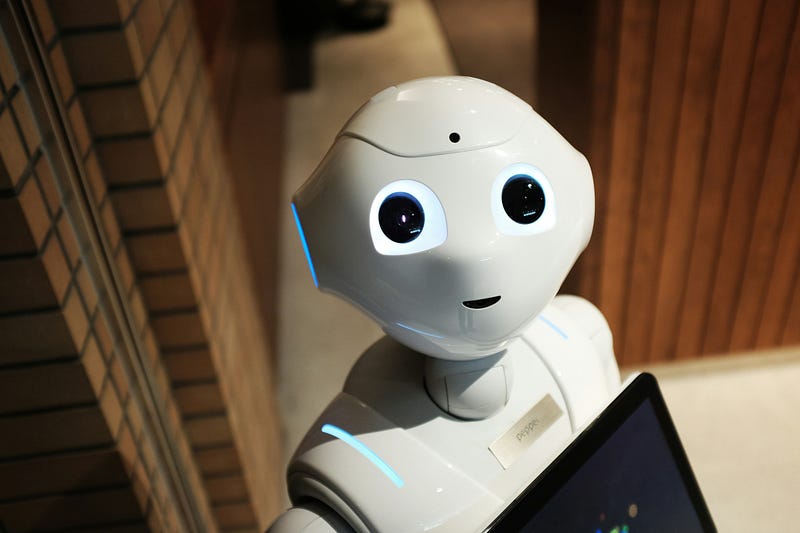
The emergence of artificial intelligence (AI) technologies has significantly influenced various aspects of human life, including our relationships. AI systems, from simple chatbots to sophisticated virtual companions, are increasingly becoming a part of our social fabric. This article delves into the intricate ways in which AI is reshaping human relationships, considering the ethical, psychological, and social implications.
AI as Social Companions
In recent years, AI has evolved beyond mere tools for task automation, emerging as entities capable of engaging in social interactions. AI companions, such as chatbots and virtual assistants, are programmed to simulate human conversation, offering companionship to users. AI companions are used in eldercare to provide social interaction to seniors who may be isolated or lonely (Vallor, 2016). However, the depth and authenticity of these relationships are subjects of ongoing debate among ethicists and psychologists.
AI in Romantic and Sexual Relationships
The realm of romantic and sexual relationships has not been immune to the influence of AI. Virtual reality (VR) and AI technologies have enabled the creation of virtual partners, offering an alternative form of companionship. These AI-driven entities can adapt and respond to human emotions and preferences, thereby providing a semblance of a relationship. However, this raises ethical concerns about the objectification of relationships and potential impacts on human-to-human connections (Levy, 2009).

AI in Enhancing Human Relationships
AI also has the potential to enhance human relationships. Through AI-driven applications and platforms, individuals can gain insights into their behavior and communication styles, which can improve interpersonal relationships. AI-based relationship counseling apps can offer personalized advice and conflict resolution strategies (Dignum, 2019).
The Psychological Impact of AI Relationships
The psychological implications of human-AI relationships are profound. While AI companions can provide a sense of connection and reduce feelings of loneliness, there is a risk of developing an overreliance on these artificial entities. Researchers have expressed concerns about the impact of AI relationships on human empathy and our ability to form deep, meaningful connections with other humans (Turkle, 2011).
Much has been written about AI’s potential to reflect both the best and the worst of humanity. For example, we have seen AI providing conversation and comfort to the lonely; we have also seen AI engaging in racial discrimination. — Andrew Ng
Ethical Considerations
The rise of AI in human relationships brings forth numerous ethical considerations. Issues such as privacy, consent, and the potential for manipulation need to be addressed. AI systems that collect and analyze personal data to enhance interactions may pose a threat to individual privacy (Villaronga, Kieseberg & Li, 2018). Moreover, the design and deployment of AI in relationships should be guided by ethical principles that respect human dignity and autonomy.
The Future of AI and Human Relationships
Looking forward, the integration of AI into human relationships is likely to deepen. With advancements in AI technology, these entities will become more sophisticated in their interactions, blurring the lines between human and machine relationships. It is crucial for society to navigate these changes thoughtfully, considering the long-term impacts on human social structures and individual well-being (Harari, 2016).
AI’s role in human relationships is a multifaceted phenomenon, encompassing companionship, enhancement of human interactions, and ethical challenges. As AI continues to evolve, it will undoubtedly transform the way we perceive and engage in relationships. It is imperative for researchers, ethicists, and policymakers to work together to understand and guide this transformation in a direction that benefits society as a whole.
References
Dignum, V. (2019). Responsible artificial intelligence: how to develop and use AI in a responsible way (Vol. 2156). Cham: Springer.
Harari, Y. N. (2016). Homo Deus: A brief history of tomorrow. Random House.
Levy, D. (2009). Love and sex with robots: The evolution of human-robot relationships. Harper Perennial.
Turkle, S. (2011). Alone together: Why we expect more from technology and less from each other. Basic Books.
Vallor, S. (2016). Technology and the virtues: A philosophical guide to a future worth wanting. Oxford University Press.
Villaronga, E. F., Kieseberg, P., & Li, T. (2018). Humans forget, machines remember: Artificial intelligence and the right to be forgotten. Computer Law & Security Review, 34(2), 304–313.