avatarRachel Ramkaran (she/her)

Summary

The web content is a reflective poem and accompanying commentary that addresses the issue of pollution and environmental apathy, juxtaposing the beauty of nature with the careless disposal of human waste, and ultimately calling for a collective sense of responsibility towards the Earth.

Abstract

The poem "Artificial Colours" by Rachel Ramkaran, featured on the website, is a poignant piece that captures the dissonance between human actions and the natural world. It begins with the vivid description of a littering incident on a small street, where fast-food trash is carelessly discarded, contrasting with the expected April blooms. The author expresses distress over the prevalent "out of sight, out of mind" mentality that leads to environmental neglect. Despite warnings of ecological crises, including climate change and species extinction, this apathy persists. However, the narrative takes a hopeful turn as a neighbor intervenes to clean up the litter, restoring the landscape to its rightful state. The poem concludes with a reminder that Earth is our only home and deserves to be treated with reverence and care. The accompanying text provides context about the author, who is also an editor and poet, and invites readers to subscribe to her newsletter for more insights on creativity and editing. Additionally, it suggests related poems for further reading.

Opinions

  • The author conveys a deep frustration with the widespread disregard for the environment, as evidenced by the littering incident.
  • There is a clear sense of pain and urgency in the poem about the need to change our attitudes towards pollution and environmental stewardship.
  • The poem criticizes the "out of sight, out of mind" attitude that contributes to environmental degradation.
  • It highlights the irony of enjoying nature's beauty while simultaneously contributing to its destruction.
  • The author praises the actions of a neighbor who takes the initiative to clean up the litter, exemplifying the kind of behavior that should be more commonplace.
  • The poem underscores the interconnectedness of human actions and the health of the planet, emphasizing that the Earth is meant to outlive us all.
  • There is an underlying hope that individuals have the power to effect positive environmental changes, even in the face of global challenges like pandemics.

Artificial Colours

A poem for Earth Day
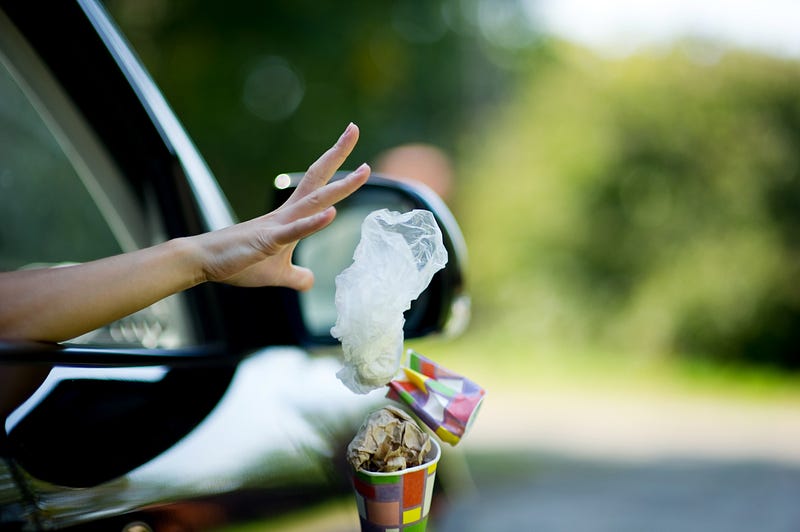
Licensed from Вячеслав Думчев, Adobe Stock

I just watched someone toss an entire bag of takeout trash from their car window while speeding down my small street.

Single-use cardboard and plastic containers scuttle on the pavement, swirling with the unseasonably cold wind and snow.

I look out to see April’s vibrancy — cherry-red tulips and forsythia’s solar flare — instead I’m met with a Happy Meal’s golden arches.

It pains me that this “out of sight, out of mind” attitude is still so prevalent. Can others not hear our planet’s cries of suffering?

What possesses people to pollute, make their waste a problem for their neighbours? So quickly forgotten are the ways of taking care.

Warnings of changing seasons, dying species go unheeded, treated as an inconvenience when it’s a consequence of our apathy.

Even as rampant viruses threaten ways of life we stubbornly cling to, some refuse to see the power we have to affect changes for the better.

But then a neighbour comes to the rescue. He picks up the windswept waste and confines it in the bin, showing due reverence to the land.

He whisks away the artificial colours and returns the icy spring scene to its strange glory. If only we all took such care — to clean and tend with conscience.

This, after all, is the only planet we have. It’s so much greater than the sum of human parts that can callously forget it is meant to live and outlive us.

Rachel Ramkaran is an author, editor, poet & flow artist. Sign up for her newsletter for regular editing and creativity tips, captivating stories, and more.

You may also enjoy these poems:

Poetry
Nature
Cities
Earth Day
Environmentalism
Recommended from ReadMedium