
Artificial Active Immunity
Immunization or Vaccination
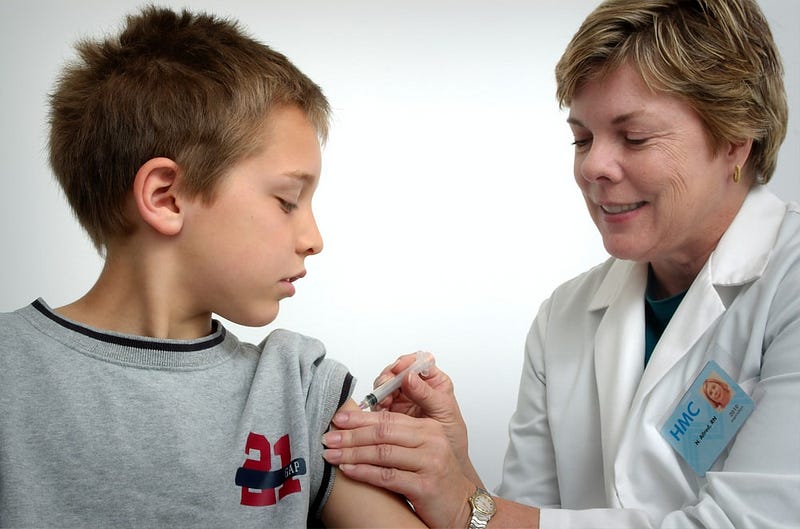
Several diseases show their effects. Our immune system is so weak due to our living style and eating habits. our body does not respond properly against the pathogens due to the weak immune systems. So, scientists invent a vaccine. When naturally our body resists to respond or produce antibodies against these harmful pathogens then artificial active immunity is provided via a vaccination.
The early vaccine process for immunization based on the idioms — Diamond Cut Diamond means to say those disease effects by a pathogen, the method to kill or weakens the effect of this pathogen produces vaccines from the same or related pathogen by weakens its pathogenicity. For example -To immunize the snake bite the vaccine is prepared from the snake venom.
The vaccine also an immunogen helps to induce artificial active immunity. The vaccine is a mixture of an antigen that helps to generate immune response artificially. During the vaccination process, the individuals may be exposed to an antigen to the formation of antibodies. In short, the vaccine is preparation introduced into the body to stimulate immunity against pathogens.
Different methods of production of vaccine
- Whole organism vaccines
- Purified antigen vaccines
- DNA vaccines
- Recombinant vector vaccines
Whole organisms Vaccines
Whole organisms vaccines production there are two types of methods are used one is live but attenuated vaccines and the second one is Inactivated vaccines.
Live but attenuated vaccines are prepared from a live organism which is a gene mutated to lose its pathogenicity but retain its capacity to restrain. Genetic engineering technique is used to cause site-directed mutagenesis to the removal of the virulence gene from attenuated organisms that further helps to make them safe for use. Generally, these types of vaccines require a single booster dose due to its more immunogenic property.
Inactivated vaccines are prepared by the inactivation of pathogenic organisms. This vaccine relative stability is more than the live but attenuated vaccine. The inactivated vaccine is less immunogenic in nature so require multiple booster doses.
Purified antigen vaccines
This type of vaccine is generally composed of molecules purified directly from the pathogens. These vaccines are sometimes called subunit vaccines. Three composed molecules are used for the production of this type of vaccine name of these composed molecules are Toxoid, capsular polysaccharides, and recombinant microbial antigen.
DNA Vaccines
DNA is a genetic material so another name of this vaccine is known as genetic vaccines. For the formation of the DNA vaccine, the genetic material of the pathogen encoded antigenic proteins are injected directly into the host cells where they can integrate into the chromosome of DNA. This expression of genes within the host generates a protein host immune system response. DNA vaccine shows immune response made against the protein encoded by the vaccine DNA.
Recombinant Vector Vaccines
Genes encode antigens are isolated from a pathogen that can be inserted into non-virulent viruses or bacteria. Such recombinant microorganisms act as vectors that replicate in a host and express their gene product into pathogenic -encoded antigenic protein.
To develop the immune system artificially to protect the body from disease, vaccination is a process to develop artificial active immunity by increasing the level of antibodies against an antigen.
Originally published at https://www.kiranjeetkaurbiotechnologist.com on October 13, 2020.


